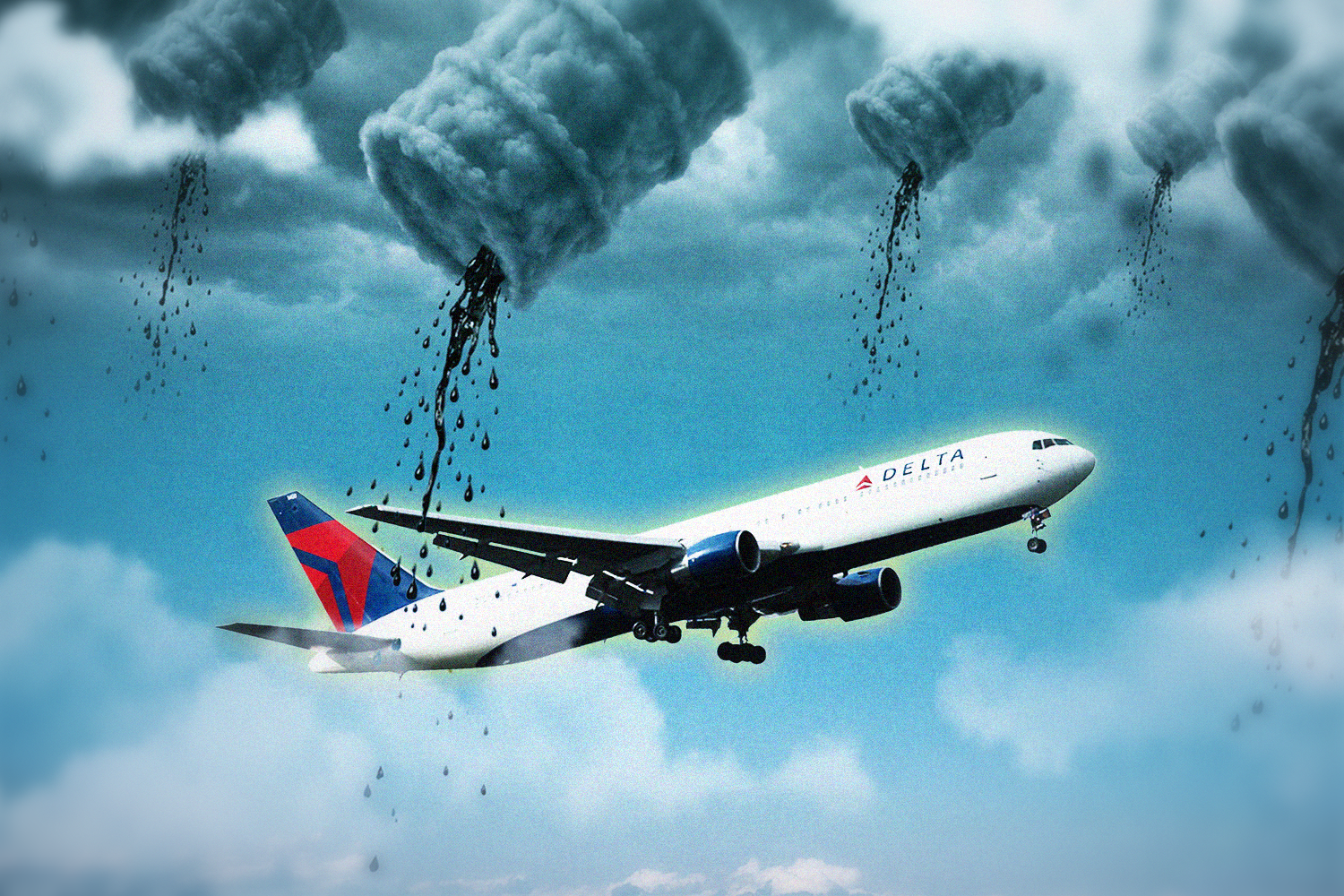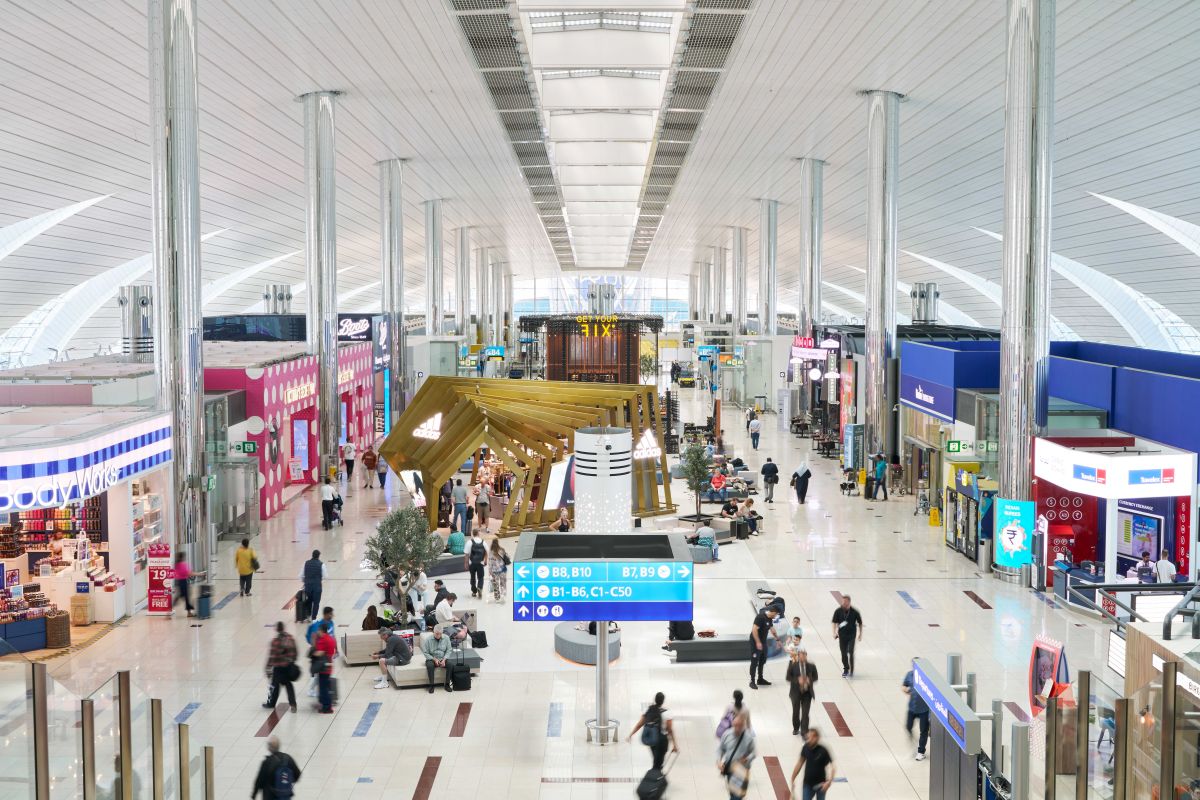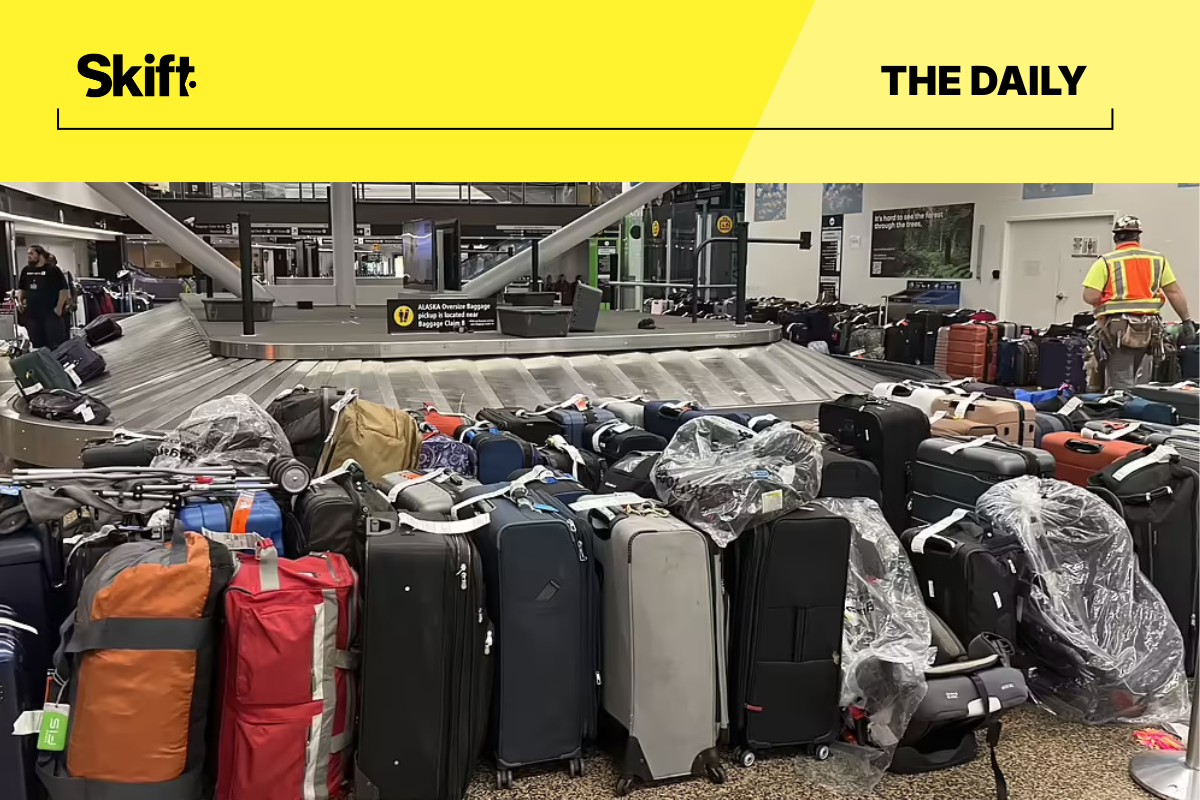
At the start of 2026, airlines were broadly optimistic. Demand looked strong, fuel prices were manageable, and last year’s tariff worries eased. Then the global outlook shifted again. The Iran war has shuttered Gulf hubs, pushed oil prices sharply higher, and raised fresh questions about the global economy. The result could be a troubling convergence of risks for the airline industry. In this week’s feature story, we examine four shocks the sector may now be facing.
The race is on to push Heathrow’s expansion plans through regulation and planning. But the airport’s case for a third runway relies heavily on sustainable aviation fuel and aviation still faces major challenges scaling the technology needed to decarbonize.
Making green jet fuel from carbon dioxide and water is no longer theoretical. The only problem is how to scale it to service airlines and meet binding mandates.
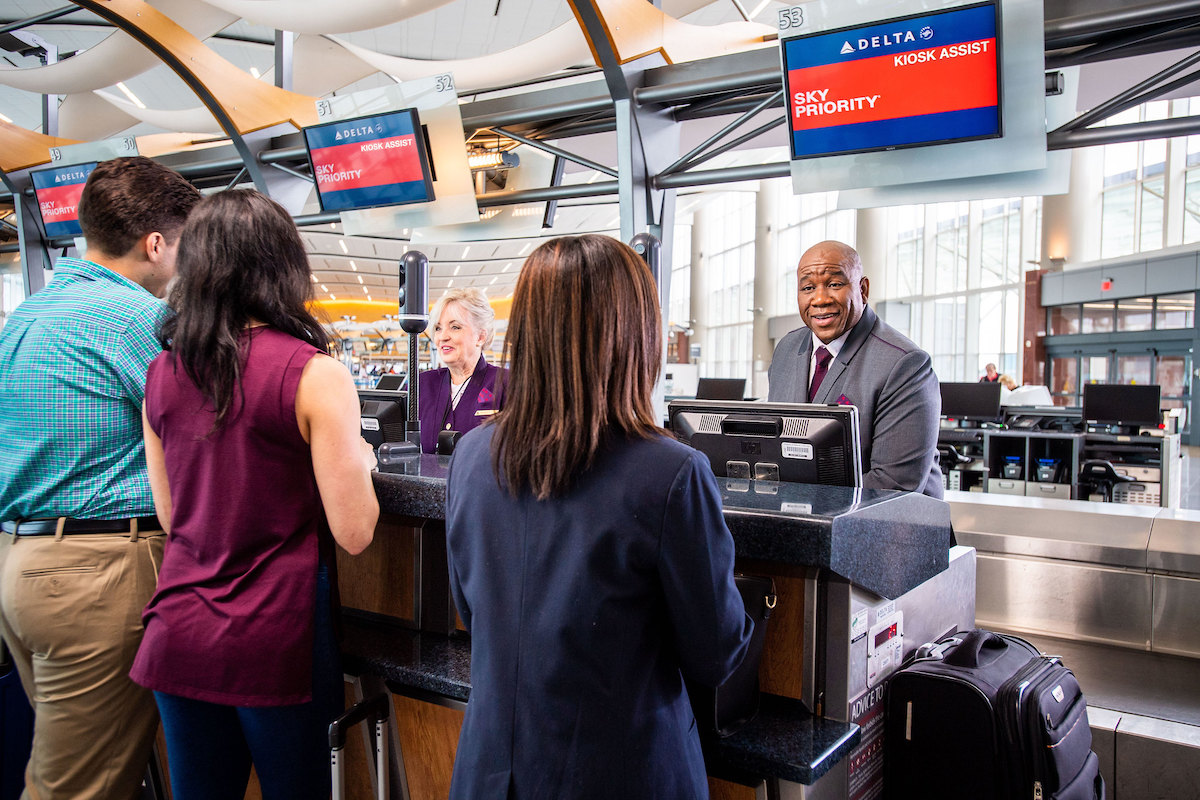
The changes come as Ed Bastian enters his second decade as CEO of the airline — he could be working to ensure the company’s business model thrives beyond the current generation of executives.
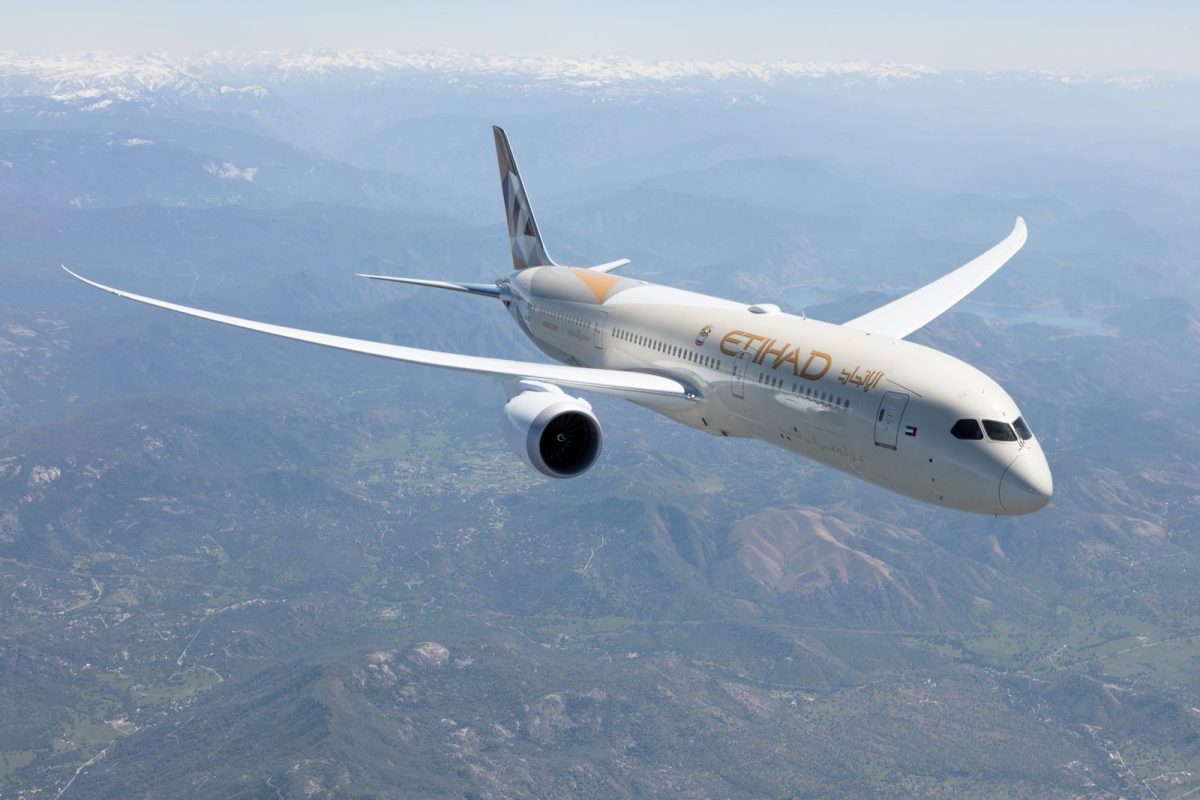
As a nightmare week for Gulf airlines drags on, Lufthansa Group CEO Carsten Spohr argues Europe must reduce its reliance on Middle East hubs to connect with the world.
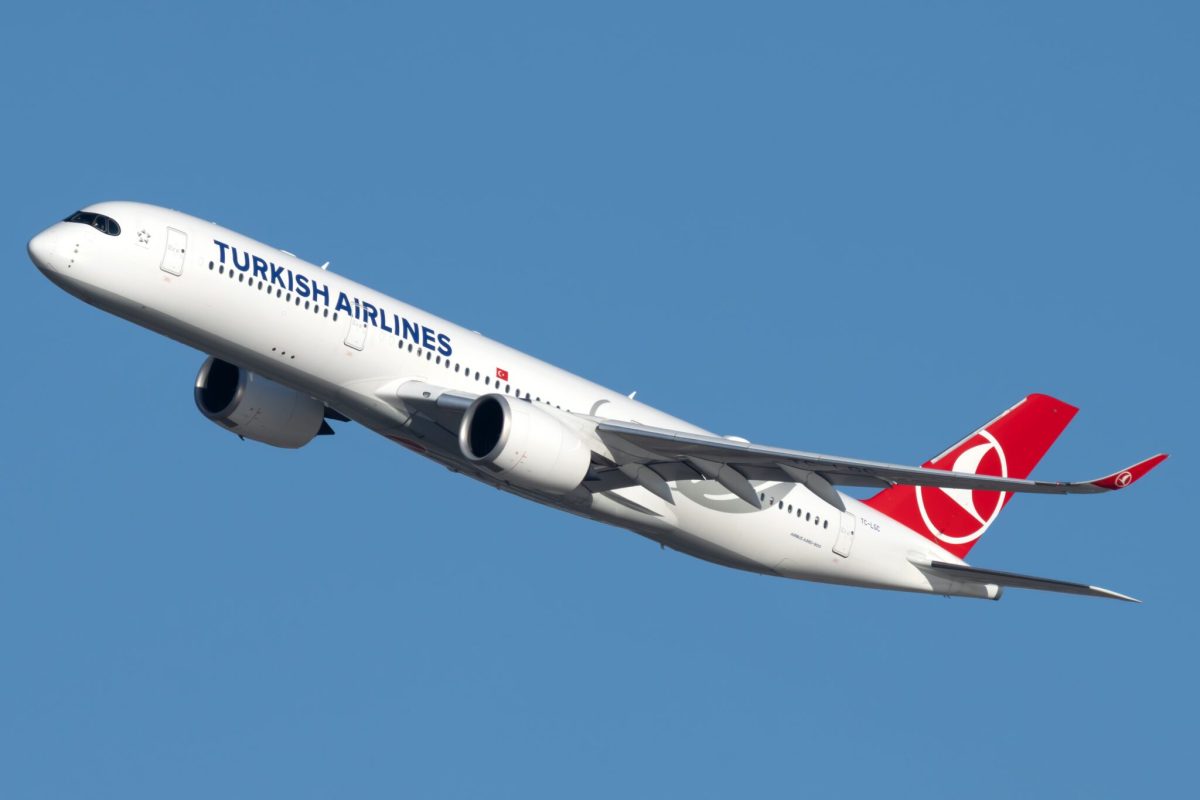
Turkish Airlines is dialing back the pace of expansion – shifting toward profitability and network quality while still pursuing its global ambitions ahead of the carrier’s 2033 centenary.
In a week when the world's busiest international airline ground to a halt and Gulf hubs faced aerial attack, Gordon and Jay explore the impact of the Iran war on the aviation industry.
As war continues in the Middle East develops, Indian airlines are cautiously working to ensure safety of passengers and crew, without ramping up costs.