


Priceline is turning Penny from a single chatbot into an interface for a squad of agents. It's the latest platform turning to multi-agent architecture for travel.
AI is accelerating a fundamental rebuild of travel technology, pushing companies to rethink the data, infrastructure, and operating models required to compete in a world shaped by real-time intelligence, interoperability, and autonomous experiences.
YouTrip’s move raises a question: When do under-18s stop being an add-on to adult travel and become a customer segment in their own right? The answer may be much earlier than expected.
Hotels have long treated the room as the only thing worth selling. Marriott's deal with ResortPass signals a growing sideline to boost margins: selling empty pool chairs and spa slots to locals who show up for the day.
Mews and SiteMinder are bringing distribution and hotel operations into one platform. The goal: Break down the hotel data silos that complicate AI adoption in the agentic age.
India has the literacy gaps, the linguistic diversity, the voice-first consumer behavior, and now the sovereign AI stack to build voice-first travel. No other large travel market combines all of them at this scale.
Brand recognition, a cognitive shortcut for human buying decisions, means nothing to AI agents that can reason through every option every time. That's shifting travel's entire marketing apparatus.
The conversations happening at the Skift Data + AI Summit go beyond adoption. They will address what happens when ambition meets reality, when speed collides with trust, and when the channels you’ve built your business on start to shift beneath you.
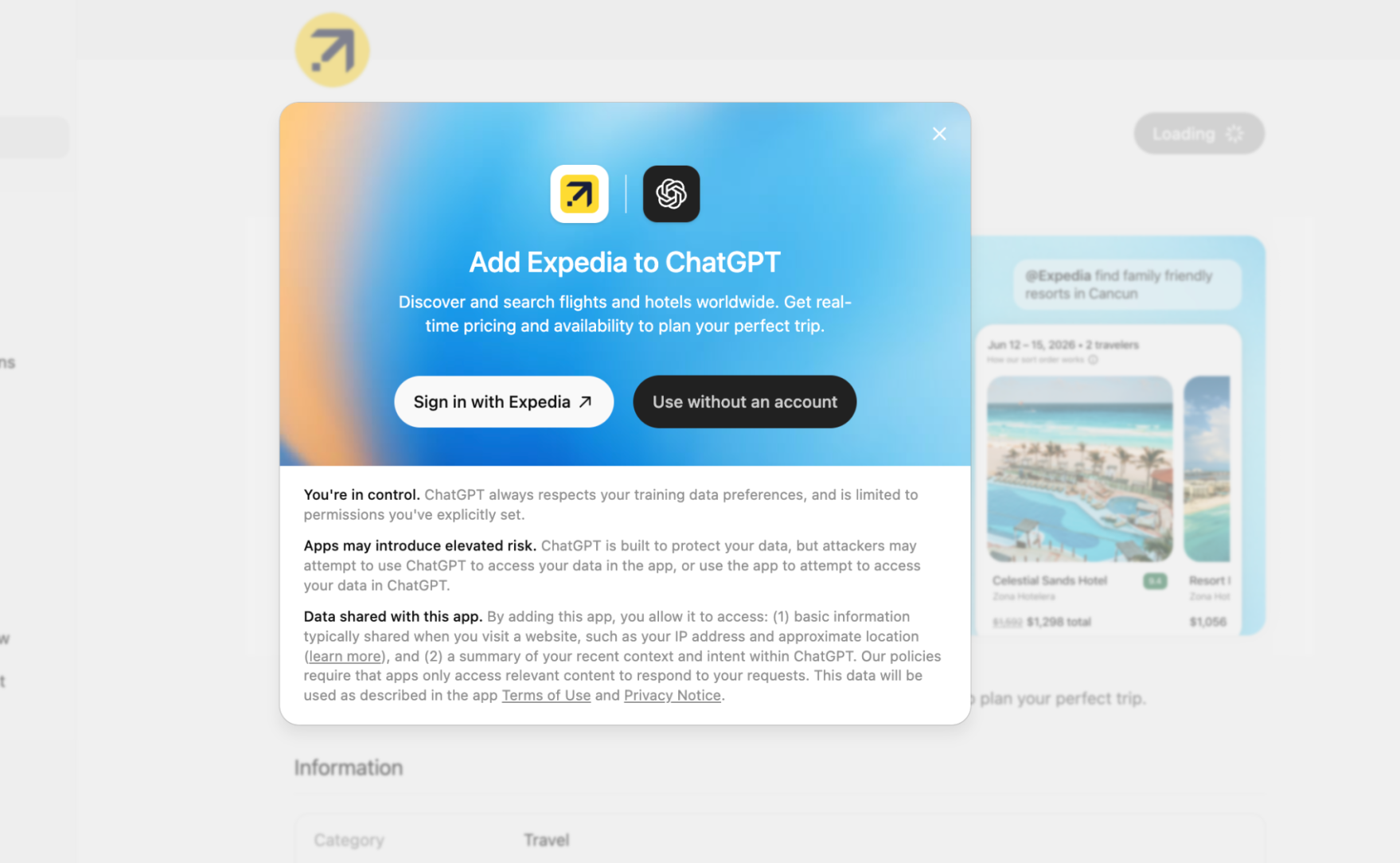
Expedia hasn’t said much publicly about when its B2B MCP server will arrive. Now an executive says it’s expected in months — a key step toward letting partners’ AI agents connect directly to Expedia’s travel inventory.