The city is an urban playground for visitors and locals alike and we'd like to see its new leader take inspiration from his sometimes dictatorial and always opinionated predecessor.
The staff members that first pushed their companies to invest in social may have been disregarded for their time spent online in the past. However, Friday's horrible incident reveals how crucial those team members and communication channels have become, especially to companies responsible for the safety of thousands on a daily basis.
Global aviation authorities followed the FAA's decision to ban electronic use during takeoff and landing so it is likely that they will follow its decision to allow electronic use during all stages of flight as well.
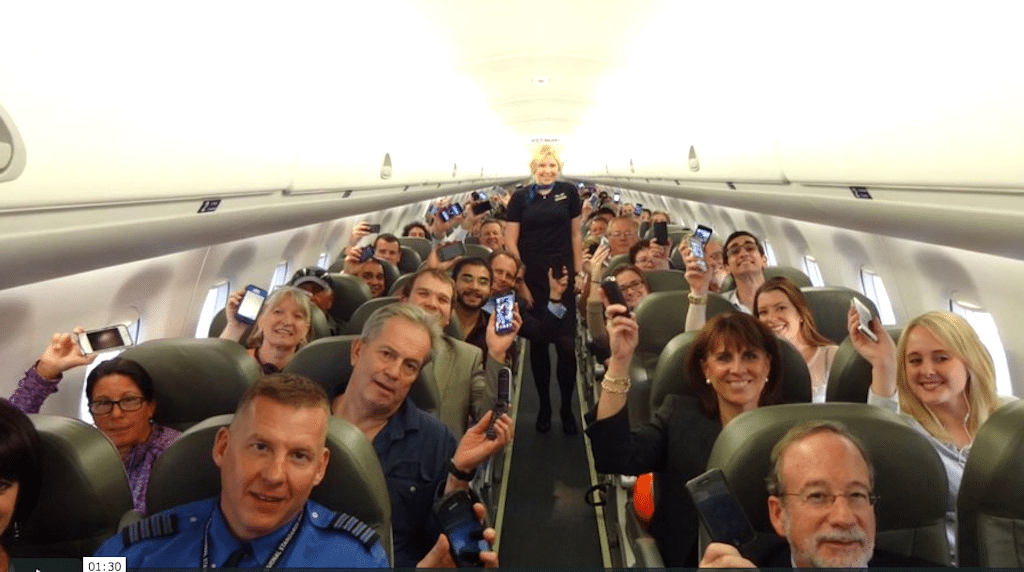
JetBlue's first out of the gate status on permitted use of portable electronic devices below 10,000 feet isn't going to upend market share dynamics, but it definitely makes United, American, Southwest and others look pretty lethargic.
Both airlines were part of the panel that investigated the impact of devices during takeoff and landing. They were able to file their paper works when most airlines were receiving the rules. It will be a few weeks before others catch up.
If Southwest starts letting its passengers use Wi-Fi when the aircraft leaves the gate or soon thereafter that will amount to a lot more time online than other airlines are offering. That's more opportunity for increasing Wi-Fi fees, too.
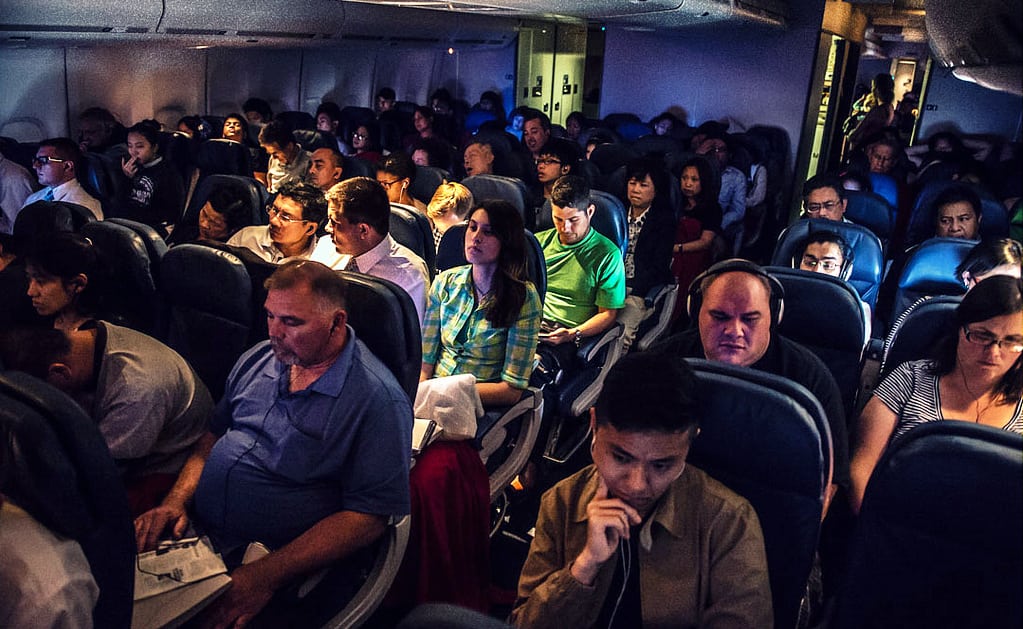
With the U.S. airline seat occupancy at a record high and the airport and flying experience being what it is these days, these incidents are only on the rise, and flight crew is the first line of defense.
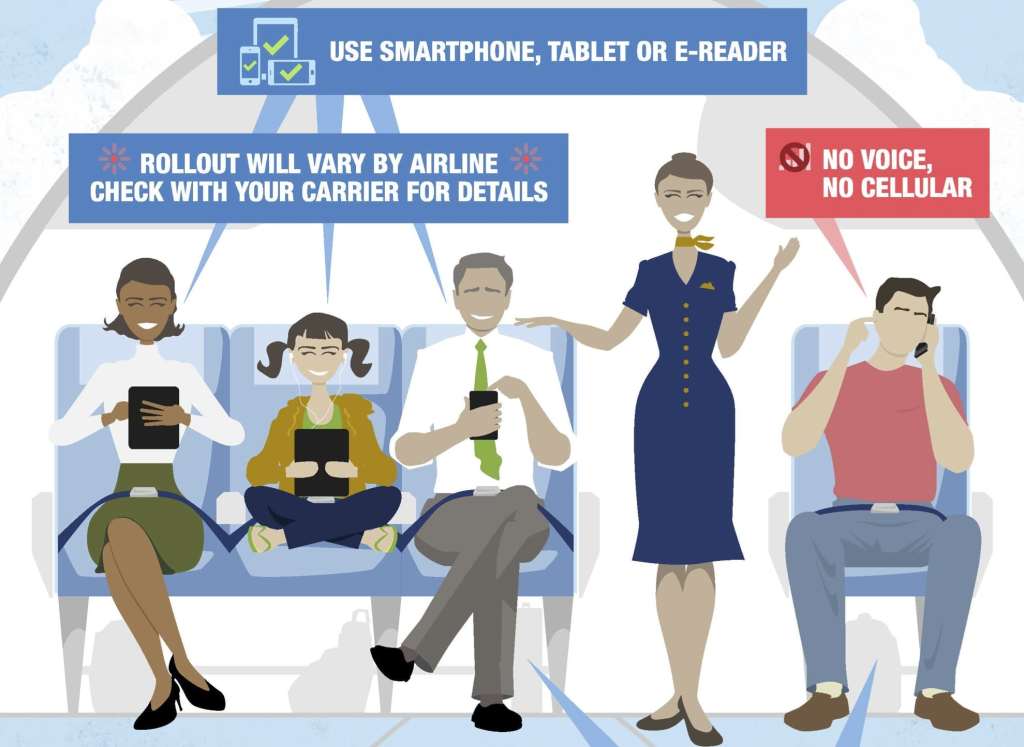
This should be easy enough to understand: Good users sit in rows of three, people talking on a cellphone get their own row. Wait, that's not the message?
JetBlue and Delta will get a lot of street cred with passengers for being swift in implementing the new procedures for portable electronic devices, although it will be unlikely to change any market share dynamics.