Here's hoping that new "hostel on steroids" brand is more than just a beefed-up Tru by Hilton. And that the technology powering Hilton's Connected Room actually works.
To really appeal to meeting and event organizers, destinations need to rely on more than just their conventional group travel offerings. They need to position themselves as destinations where creativity and innovation truly thrive.
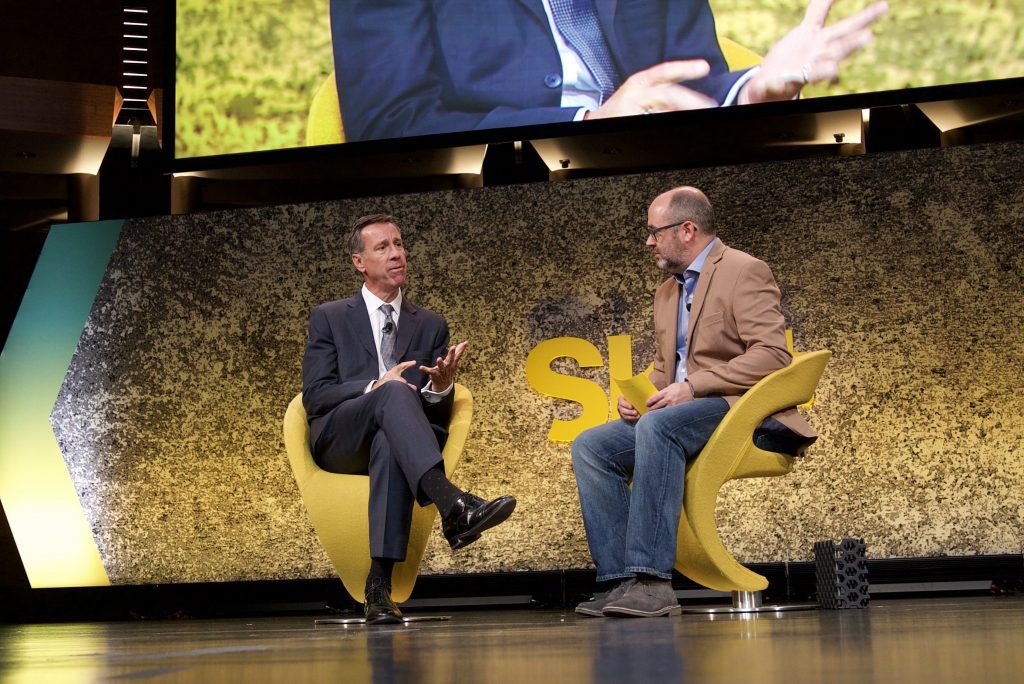
Sorenson didn't mince words talking about the negative impact the Trump administration's rhetoric and multiple travel bans are having on international visitation to the U.S. His comments about corporate tax reform may also not please proponents of raising the minimum wage for hospitality workers.
There's no doubt that the damage from recent hurricanes will affect the travel industry for months and years to come. But analysts don't seem too worried about any impact on Wyndham Worldwide's financials as it plots its upcoming spinoff.
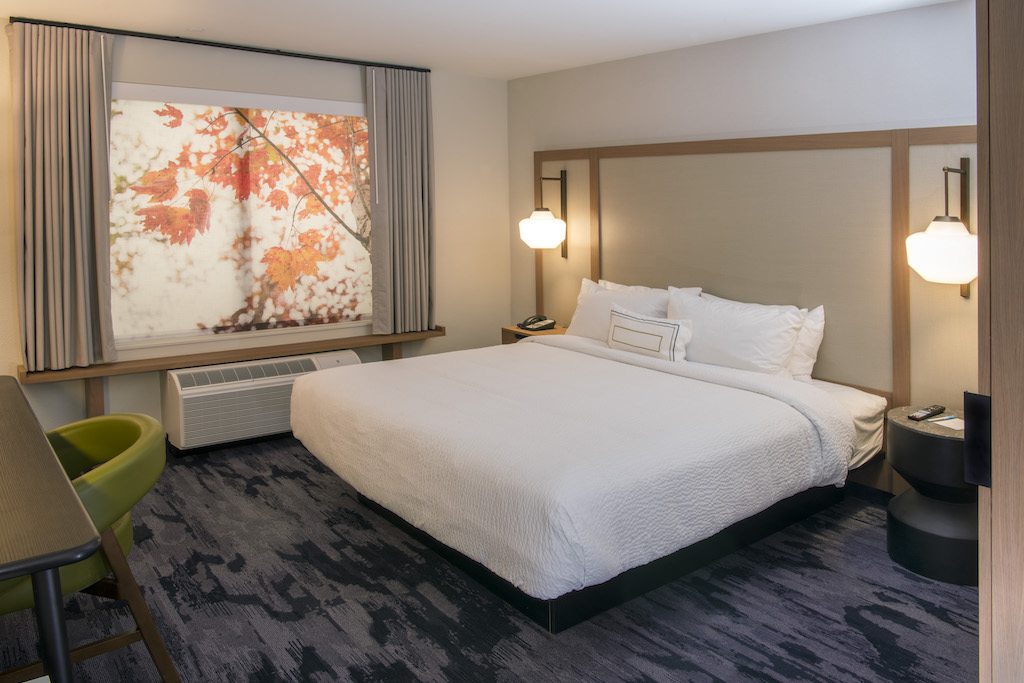
This makes a lot of sense, but can Marriott and Choice make their established midscale brands stand out among all of the more design-driven newcomers that others are unleashing? Or do consumers and developers not really care as long as they save or make money?
Hilton isn't the only hotel company intent on launching new brands. But it remains to be seen whether there's a breaking point for having way too many hotel brands.
Whatever IHG ultimately does as it proceeds with this loyalty program merger, the No. 1 thing they don't want to do is to anger Kimpton Karma elites. We also wonder: Will new IHG CEO Keith Barr start letting IHG's most elite loyalty members get access to his phone number too?
Hyatt isn't alone. But the bigger question is why does this keep happening at so many hotels? And why does it always take so long for customers to find out about these data breaches?