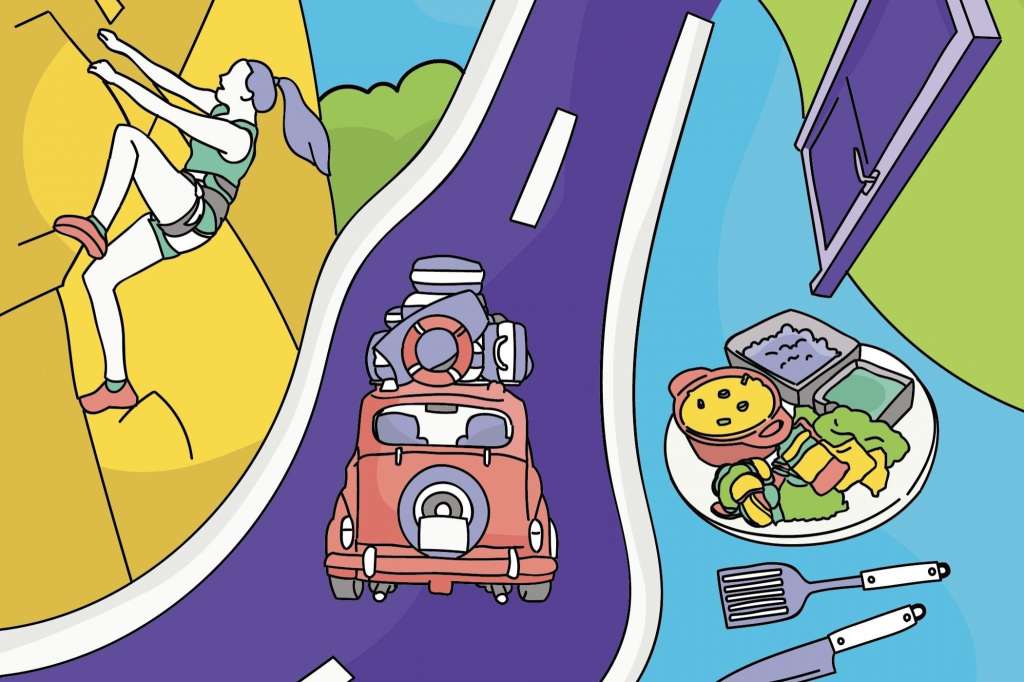
Airbnb’s entry into the tours and activities market certainly brings the sector to the fore. If Airbnb sticks with a strategy to curate its tours and activities, going with unique and off-the-beaten-path experiences, then that is still important for the sector given Airbnb’s scale, but self-limiting. Competition is certainly a healthy thing and all the players will have to up their games.
Hotel chains have been successful in driving more direct traffic and taking brand share away from the online travel agencies, but 2017 will say a lot about whether their strategies are sustainable. Will lower rates for loyalty program members impact profits? And how can the chains compete long-term with online travel agencies when the latter have much deeper marketing pockets?
A global surge in tourism, driven by the growth of low-cost carriers and middle class families across the world who are beginning to vacation abroad, has had deep ramifications for the world’s most popular destinations. Some have tried to manage tourism by limiting the ability of tourists to stay in cities or pushing less popular areas as bona fide tourist destinations. The jury is still out on whether these destinations will be able to effectively manage tourism, or will continue to struggle in the face of mounting backlash from their citizens.
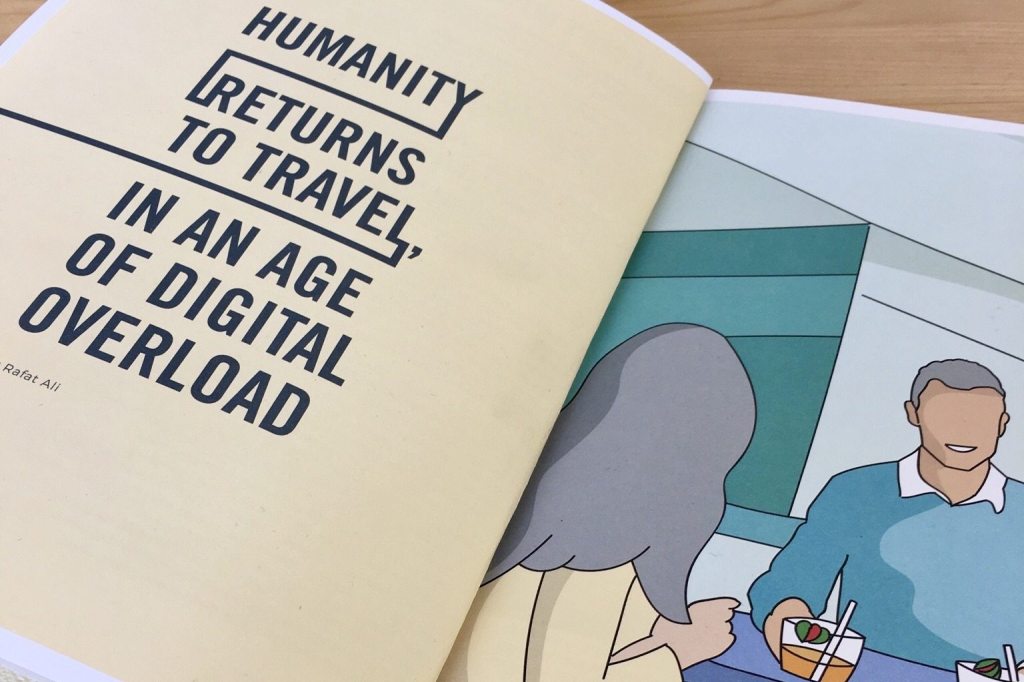
Hospitality is all about the very human trait of empathy. And businesses need to remember that humans should remain front and center to create incredible experiences, helped — but in no way supplanted — by modern technology.
Some old-school companies talk about embracing start-up thinking without knowing what that really means. This, though, is what they wish it looked like in practice.