The work of one rogue OpenTable employee underscores both the escalating competition in the reservations space and the real-life effects of a restaurant no-show.
Most tech companies have no idea what to do about the creation and management of content. Google proved that with Zagat and other acquisitions, so it is good to see it in the hands of a content-first company.
If Chipotle is trying to signal to Wall Street that it is stripping away distractions, it is also in danger of saying it can't walk and chew gum at the same time.
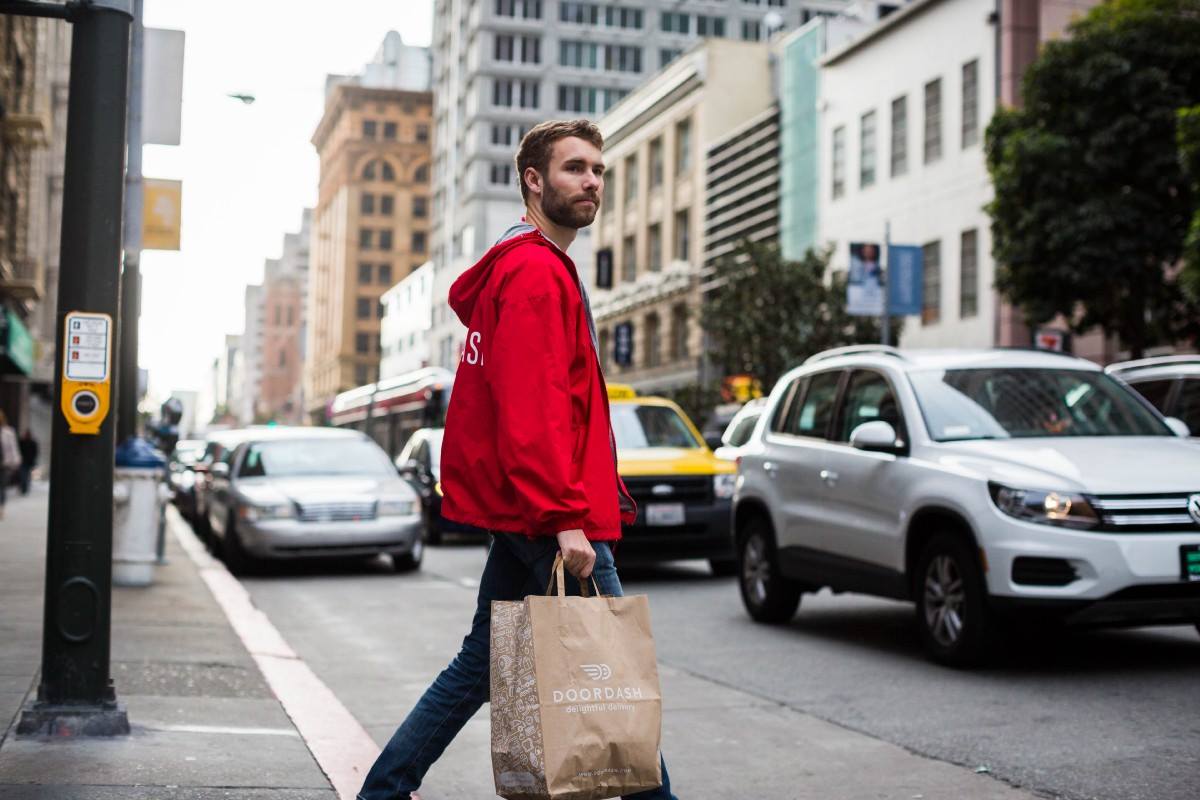
Grubhub may be the industry stalwart, but Uber Eats and DoorDash are close on its heels, growing exponentially and doubling down on technology, which could prove to be the major differentiator in the delivery market.
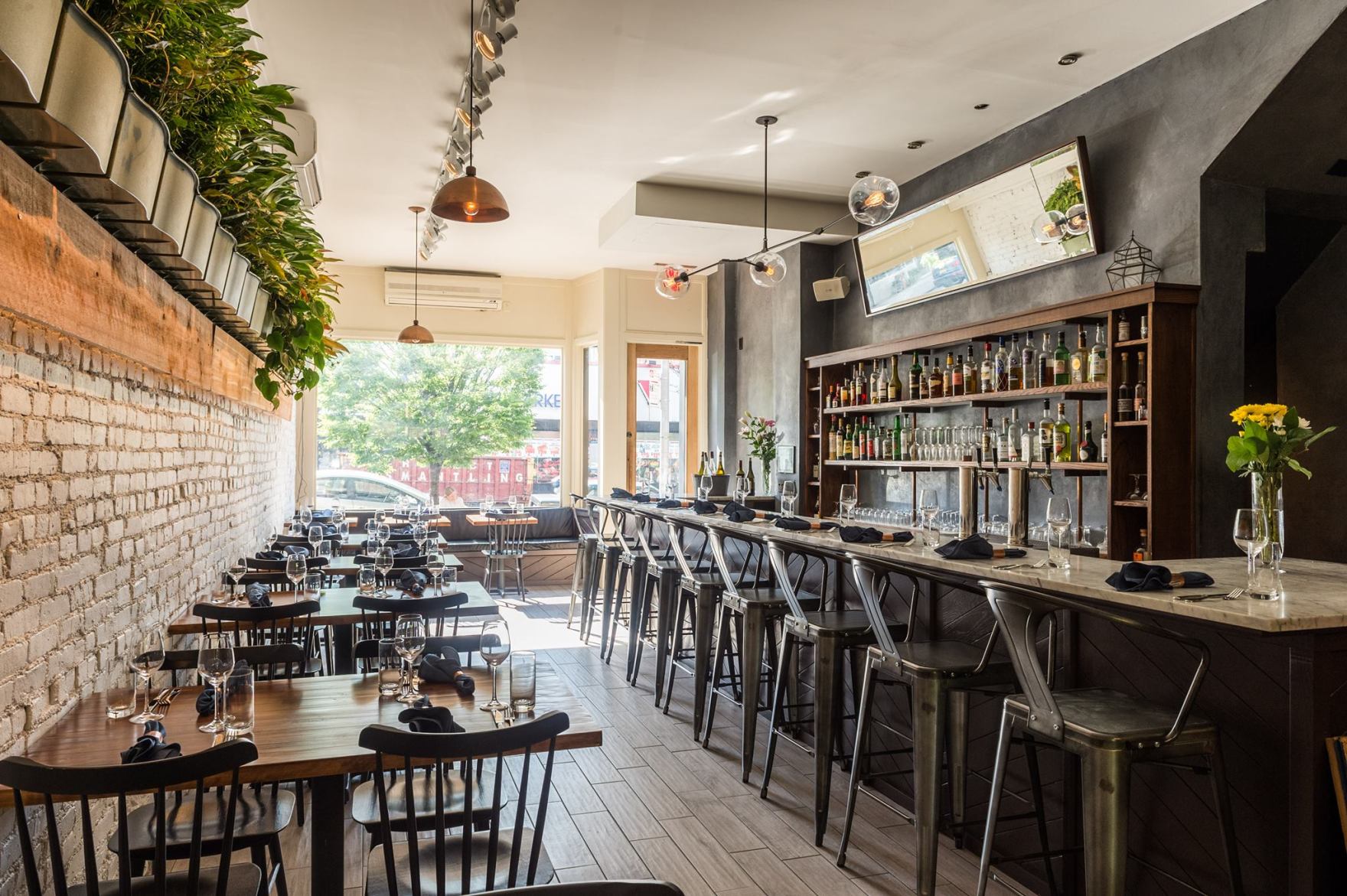
Lest we get caught up in a world of labels, let's recognize success where we see it: neighborhood, sit-down restaurants featuring high-quality food and top-notch service continue to operate thanks to a creative focus on what's working and what diners want.
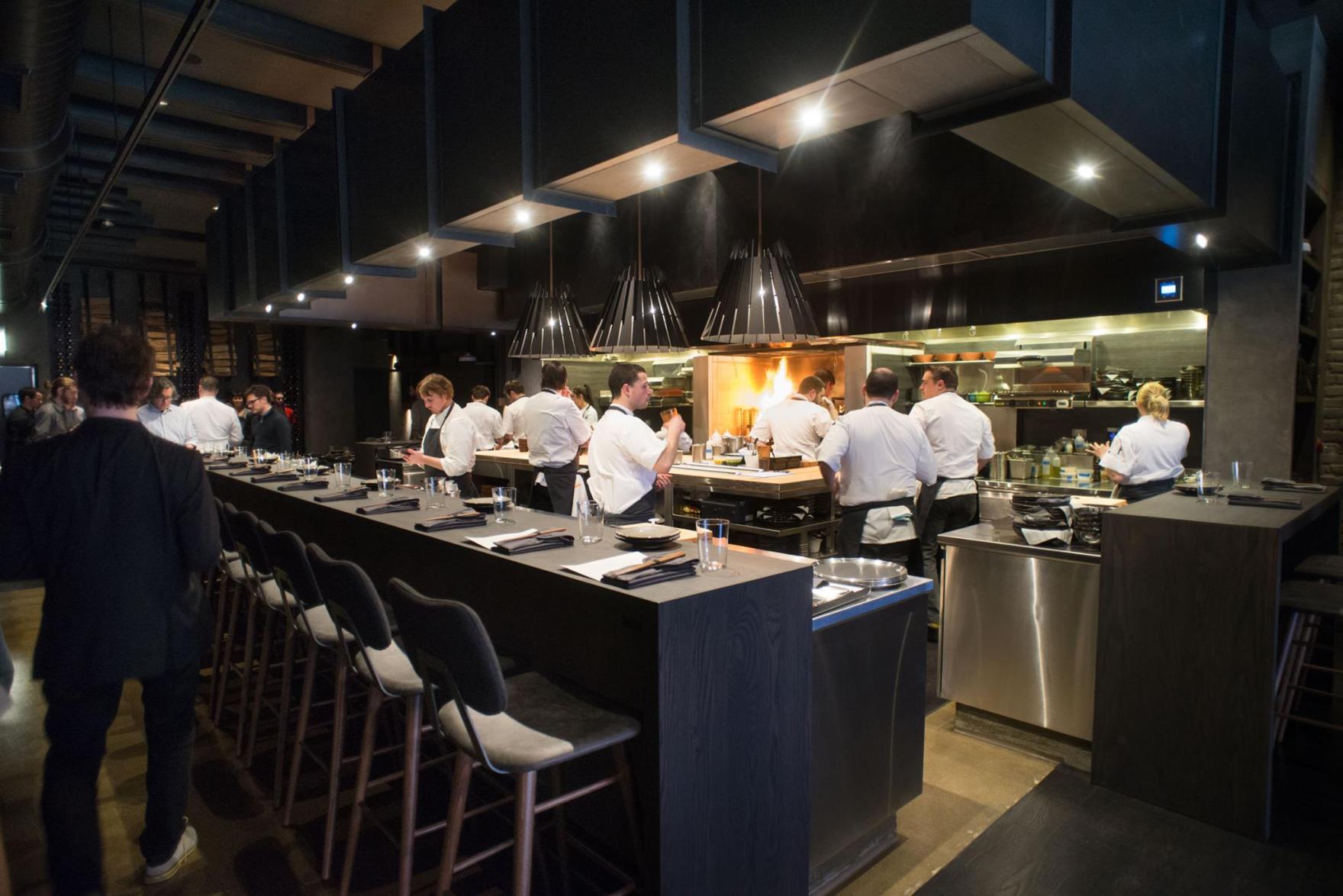
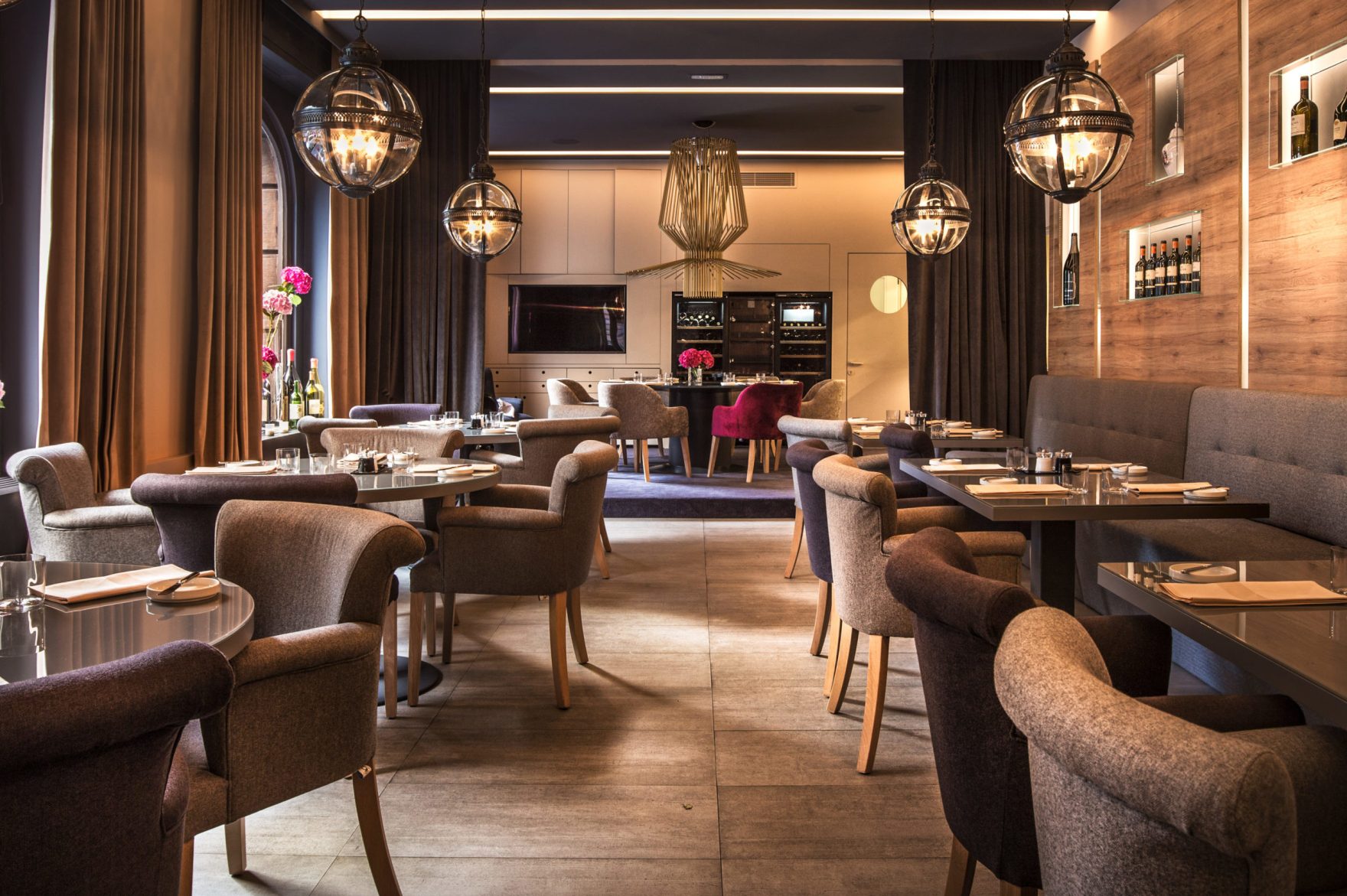
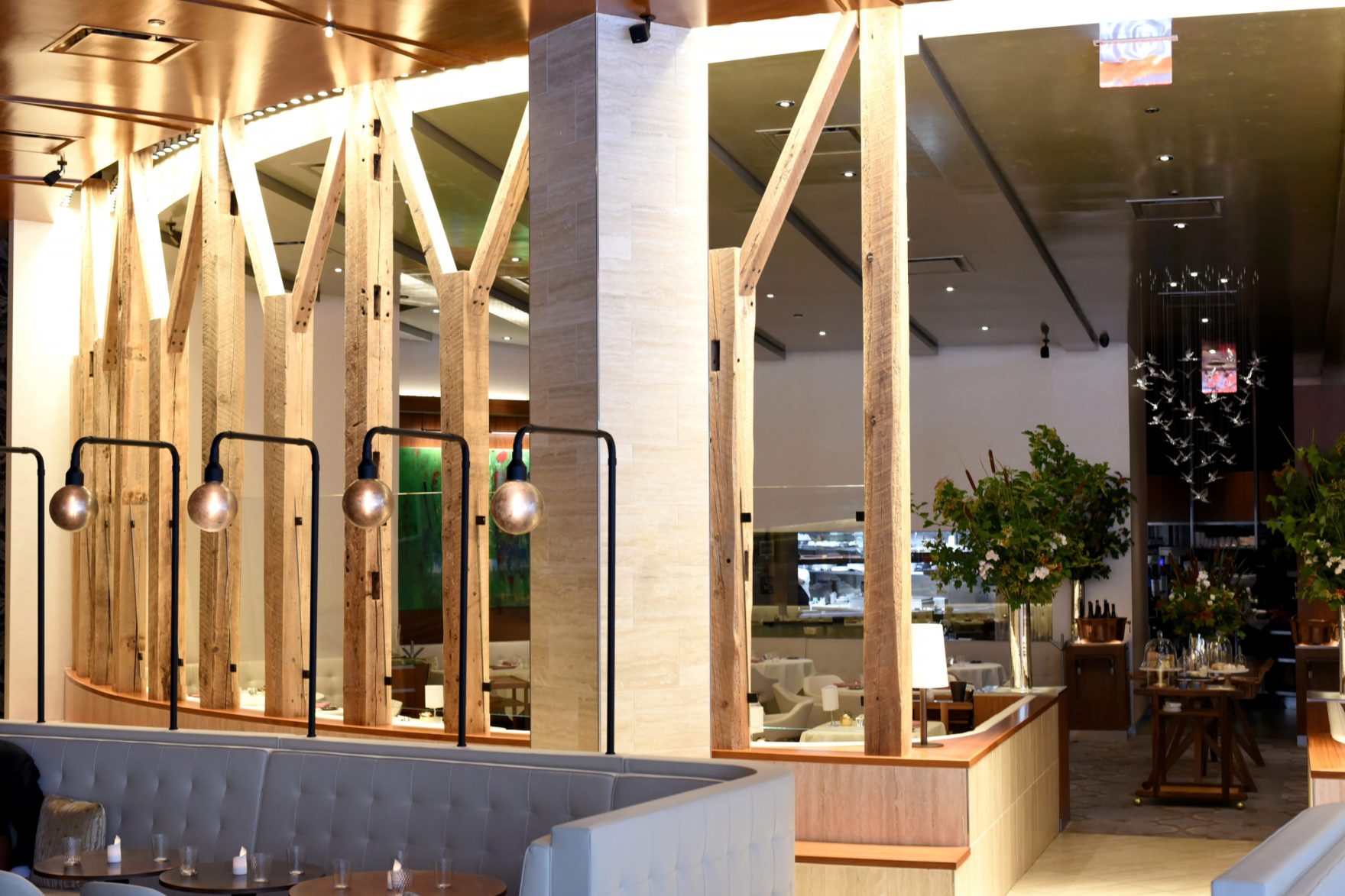
At home or abroad, the fine dining experience is driven by excellent food quality and impeccable service — which makes operating this type of restaurant a delicate balancing act.
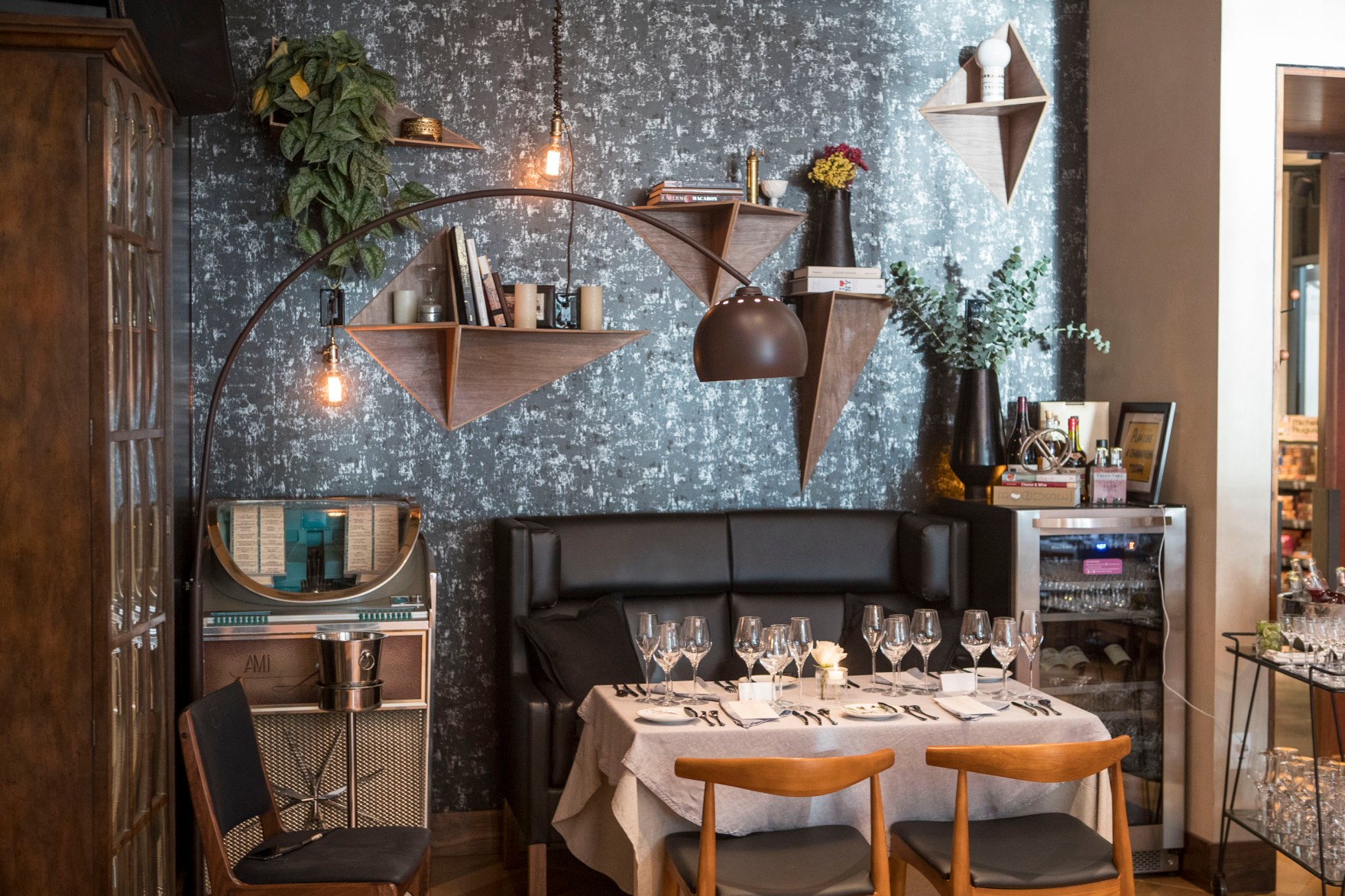
The unique business of fine dining operations allows elements of service that are good business decisions to also translate into exceptional experiences for diners.
International expansion often provides the best opportunity for growth when a brand has saturated the U.S. market, but expanding overseas isn't without its challenges.
We've watched as elements of fine dining slowly creep into more casual methods of service, allowing restaurateurs to build successful business models on top of changing diner preferences. But fine dining has never gone away; it's just evolved within its own constraints.