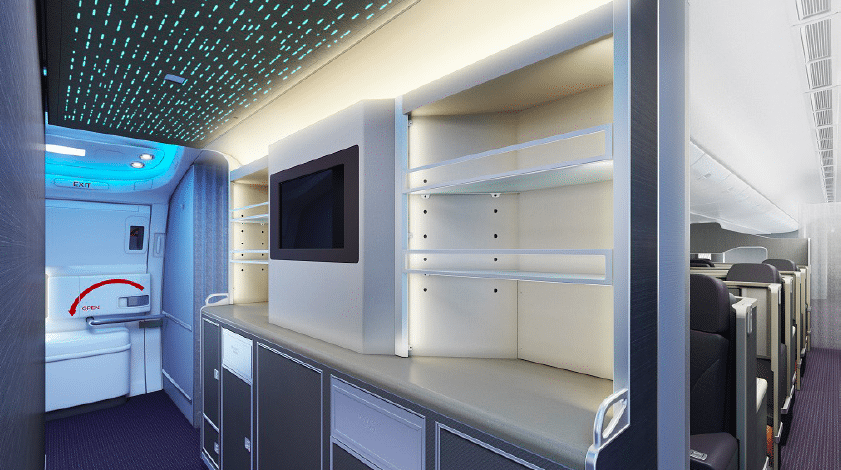
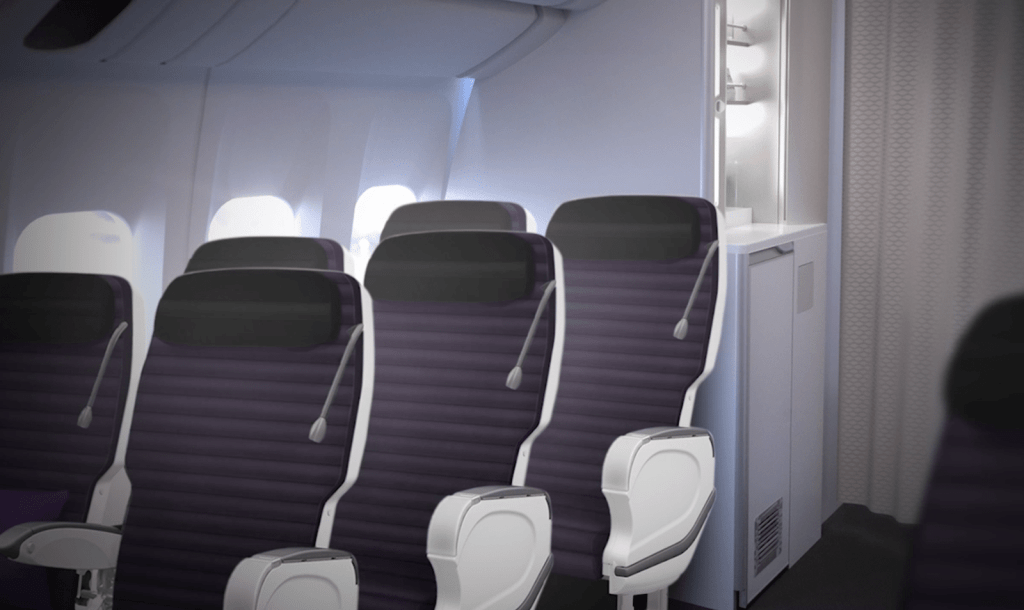
A greater focus on enhancing the overall cabin experience, taking into account all factors which affect passenger comfort, far beyond issues of seat space and pitch, will make the cabin a significantly more pleasant space in the very near term.
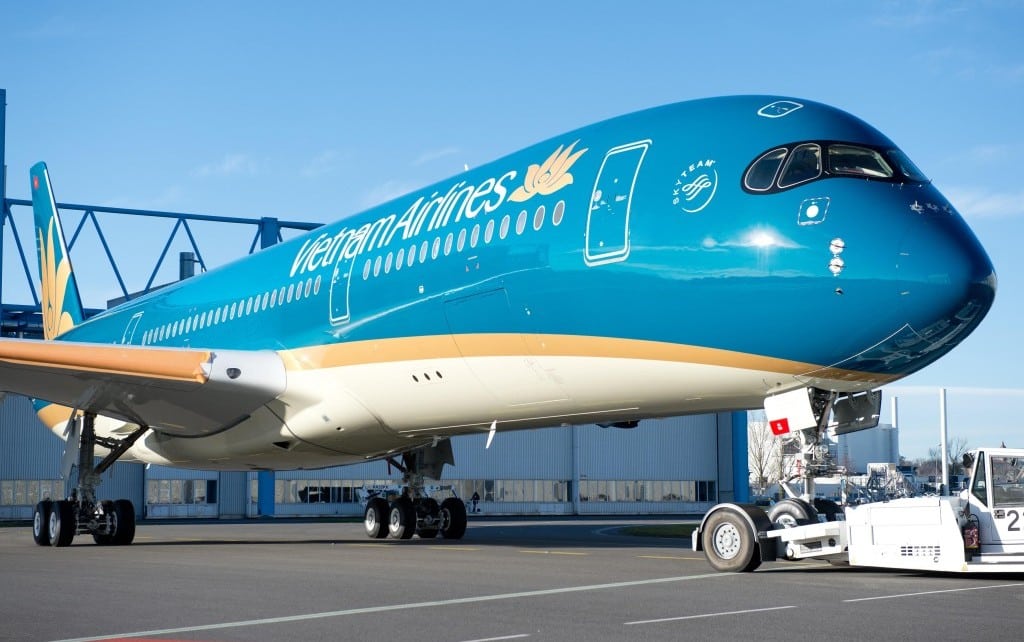
There is no over-the-top design here, especially not on the leased aircraft — it's all out of the catalogue — but it ticks all the boxes on comfort and convenience and is ideally suited for the market in these routes.
Certain routes just demand more crowded seating to be viable, and not every passenger market seems to mind as much, but that's still a lot of people on a single plane.
New airlines from emerging markets want to help more people get out and see the world. If the world wants them to visit, then they need to allow those flights, or increase service from legacy U.S. and E.U. carriers to those markets, or both. There are plenty of eager travellers to go around.
United hopes that consistent information sharing and mobile digital services will improve its relationship with passengers. They can't hurt, but this doesn't even begin to address United's core problems, which are leadership and competence.
With all the cabin improvements revealed in the Gulf and the Asia/Pacific markets, it makes us wish other airlines around the world would get inspired to compete on quality.
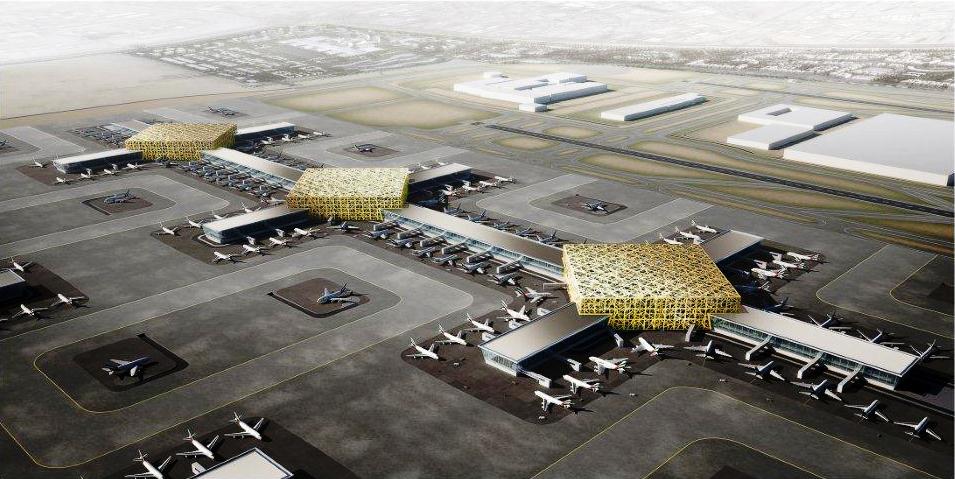
Tomorrow's Dubai Airport will still be huge, but it's more reasonable to break it up into nodes instead of fitting those millions of people in a single structure.