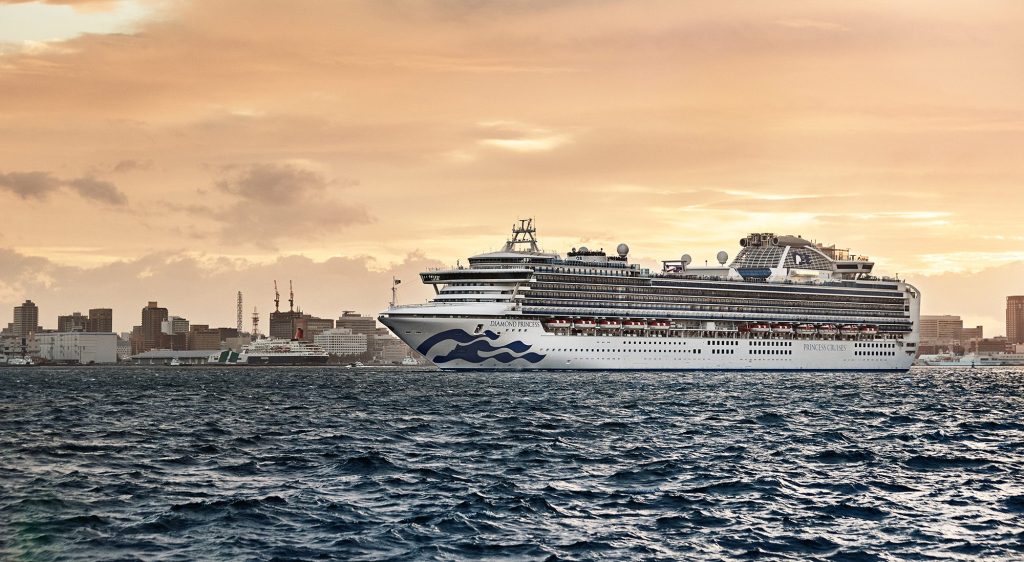
The cruise industry appears to be taking a contrarian stance to U.S. public health officials, a move that's baffling given the industry's need to rehabilitate its image.
Carnival is facing two unprecedented crises: Lost revenue from the complete cessation of its cruising operations and an optics nightmare that puts the future of cruising's popularity in genuine doubt.
Corporate bailouts are never popular with the average voter. But bailing out the cruise industry — which goes out of its way to avoid paying U.S. federal taxes — is proving a particularly hard case to make as the travel industry appeals to Congress for help.
The cruise industry has had a spectacularly rotten week. Facing criticism from all sides, it looks increasingly unlikely that many lines will still be sailing as scheduled on Monday.
The cruise industry has weathered a lot of bad news unscathed. But the coronavirus crisis seems different. This could be a seminal moment for the industry — and not in a good way.
While dealt a blow by coronavirus, the cruise industry is managing to hold the line on pricing, at least for now. The long-term impact of the crisis remains to be seen, but the cruise industry has weathered many others in the past.
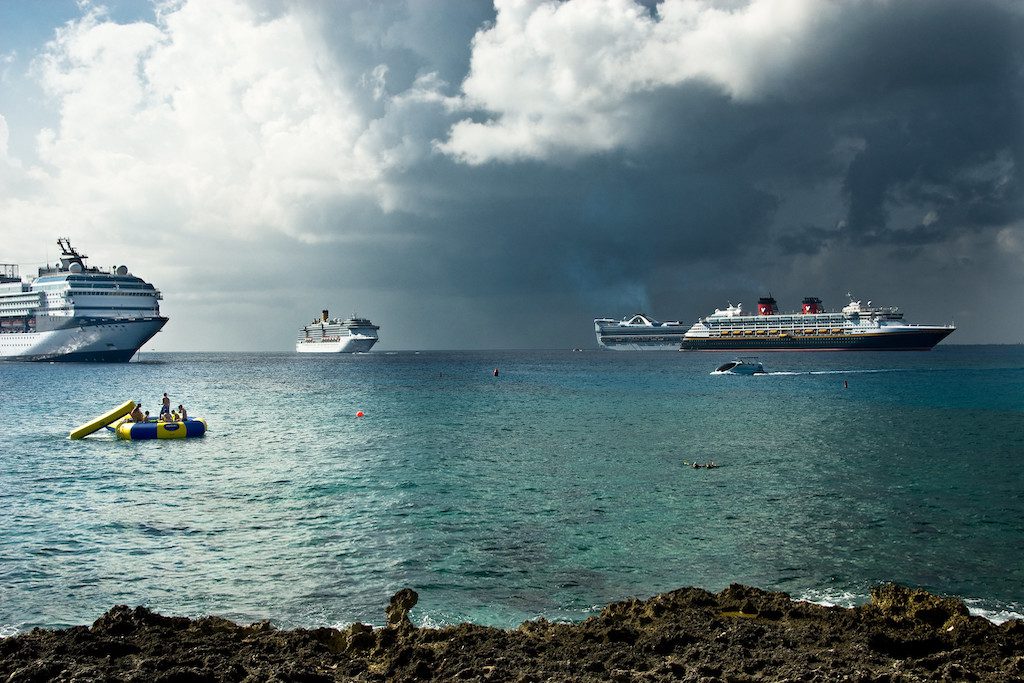
A judge ruling on a citizen-led referendum in the Cayman Islands has, for now, sided with cruise opposition. While the battle is localized, it could point to wider industry implications for the cruise industry.
The cruise industry is compliant with International Maritime Organization pollution guidelines largely through the use of scrubber technology. But this week, critics are once again questioning whether scrubber technology should be allowed in the first place.
This seems like a win-win for TUI Group. It gets an established partner to help grow its luxury and expedition cruise line — while also keeping a share of the business — and at the same time it gets the cash to help pursue its digital strategy.