Chili's isn't all too concerned with converting value-focused customers into higher spenders at this point. The company is choosing to ride out the foot traffic momentum, at a time when many restaurants are struggling with the metric.
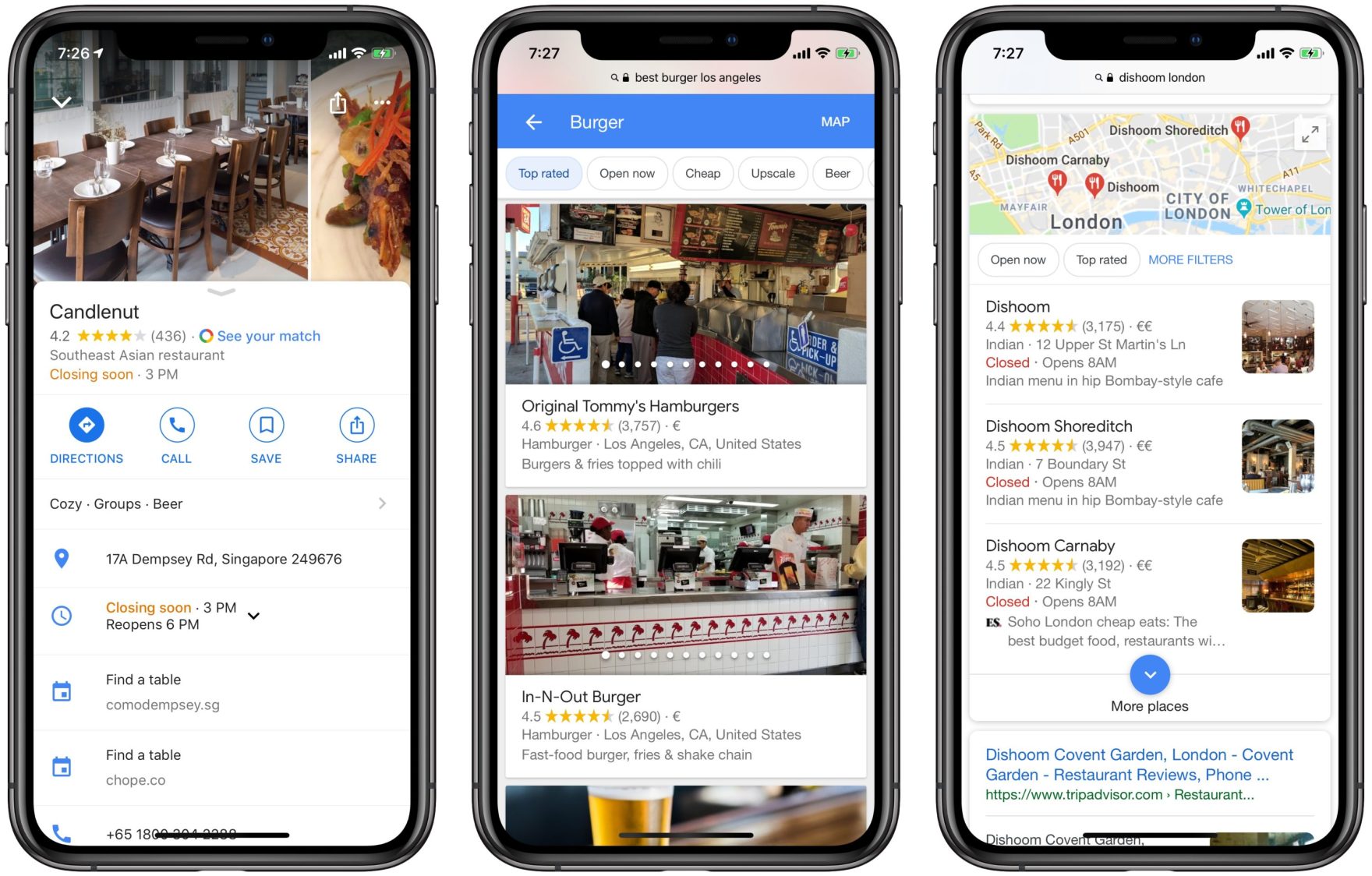
The evolution of Google’s Search and Maps products from web-centric to IRL have made searching, booking, and navigating to restaurants a seamless experience and handed Google the lion's share of local discovery.
There’s no doubt that competitive markets require businesses to continually strive to meet consumer demands if they’re to remain relevant. Companies that provide restaurant-supporting software are no exception to this rule. Incorporating consumer feedback on a micro level has proven to be a successful approach to product development.
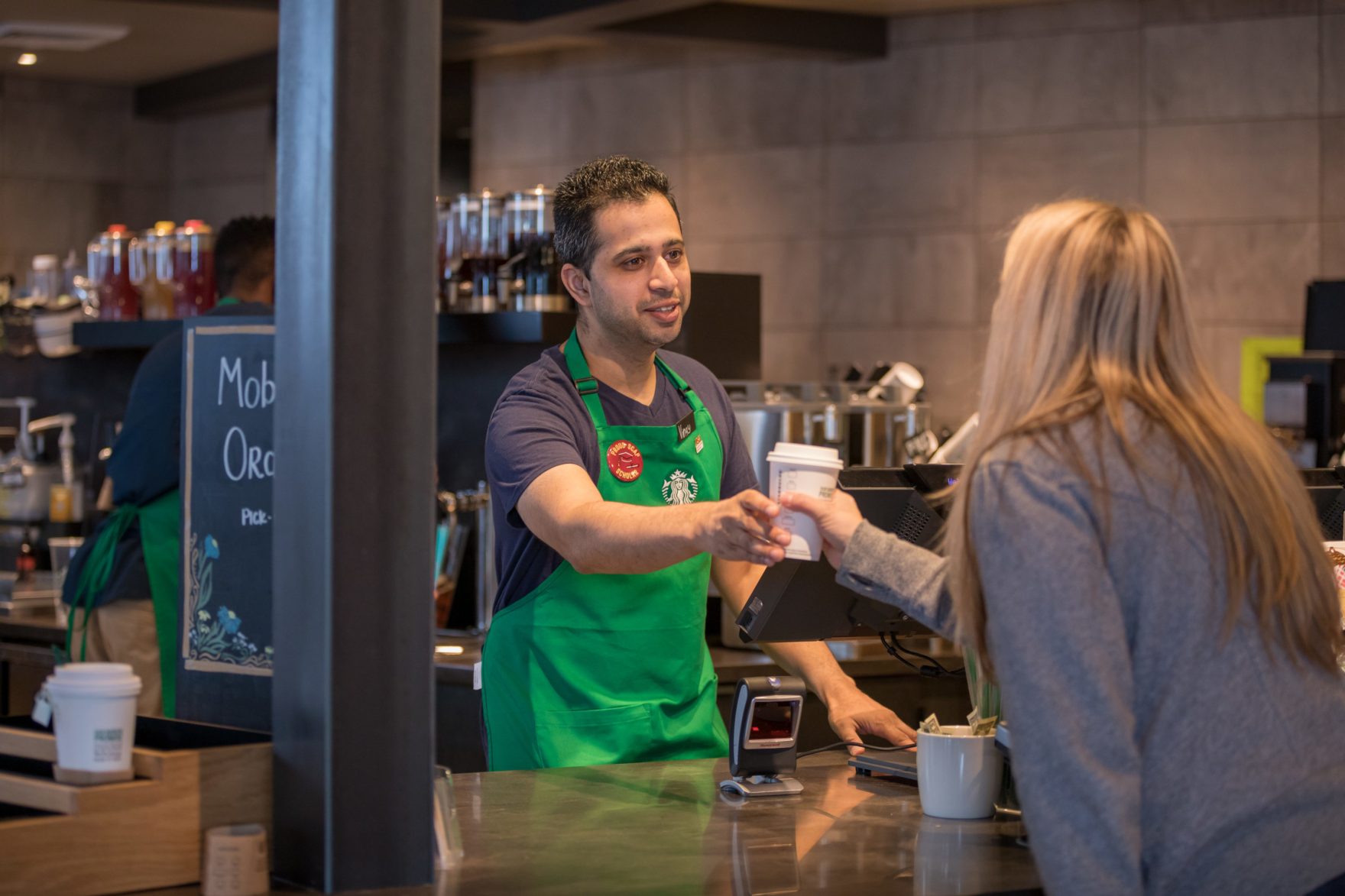
There are a couple of ways Starbucks Delivers could go wrong. First is Starbucks' efforts are tied to two completely different companies. The possibility also remains that by growing its store footprint too quickly in the U.S. and China, the chain could be shooting itself in the foot.
Blockchain has the potential to massively aid in identifying issues along a supply chain, but its real world applications are still being tested and validated, and large scale impacts still stand to be seen.
RBI's brands (Burger King, Tim Hortons, and Popeyes) each have been reporting mediocre comparable store sales in recent quarters. This new leadership structure may provide the boost the company needs.