Love and inclusion and fostering community are all great aspects of restaurant hospitality. But as restaurant titans fall around us, that's all still easier said than done.
If OpenTable's corporate leadership wants to position it as a force in the restaurant world, dropping key marketing, product, and communications executives is a step in the wrong direction.
Sleek dining for plant-based meals has become relatively the norm in U.S. cities, but the trend is still gaining momentum in Europe where vegetarian food once relegated to hippie establishments is playing a larger role in mainstream dining.
Uber only sees a fraction of the $6 billion that runs through its apps, but it's a significant sign of the activity it facilitates (and takes a cut of, too).
Wi-Fi and screen-time policing at cafés has less to do with money and missed earnings: the main culprit is our attitude. Admittedly, it feels like strict policy, but we can all learn a lesson from this.
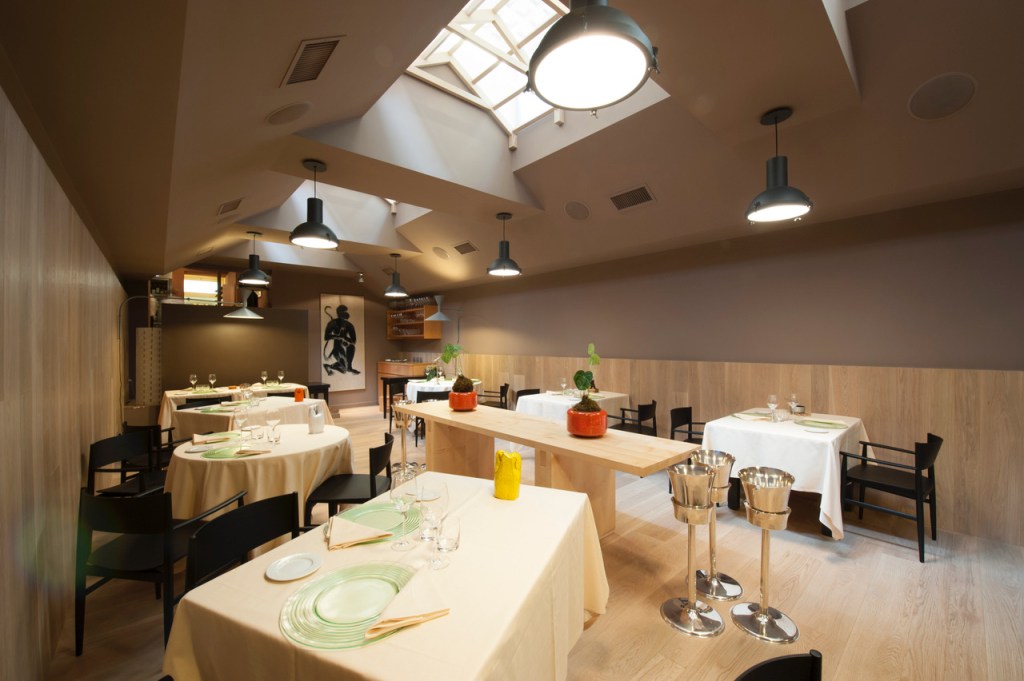
Imagine pioneering elevated vegetarian cuisine thirty years ago in a fine dining restaurant in Italy. It took a few years to take off, but chef Pietro Leeman hasn't looked back since — nary a noodle or tomato in sight.
Picnik's growth tells a larger story of how small restaurant entrepreneurs are growing enterprise businesses leveraging community-based wellness trends and social media.
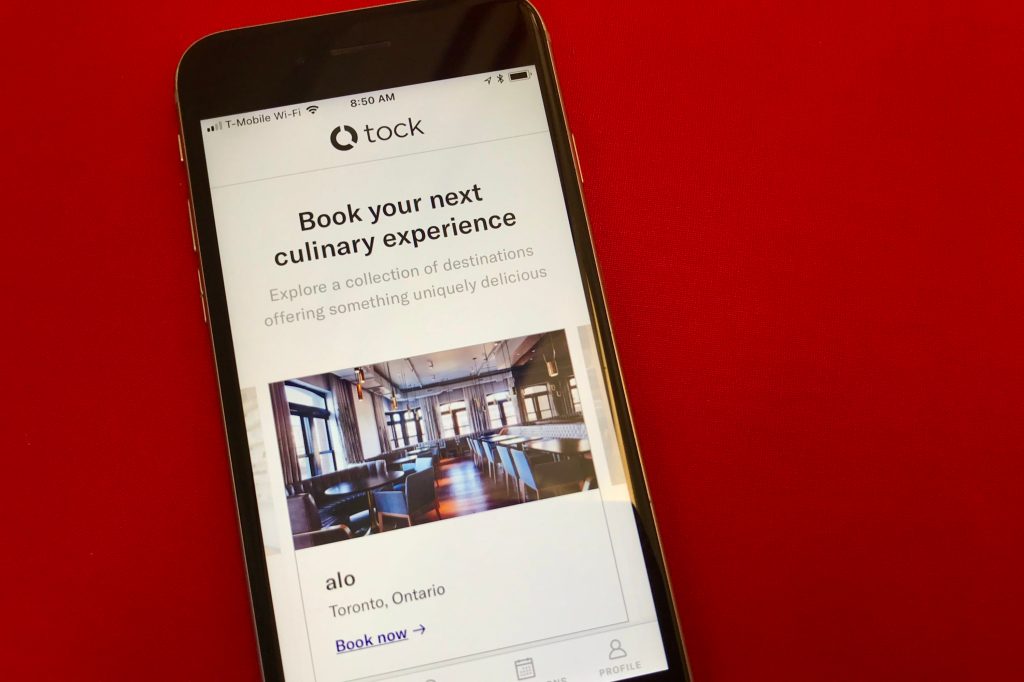
Tock started as a ticketing platform aimed to change the way restaurants offer reservations. A new consumer-facing app puts the company squarely alongside its reservations competitors.