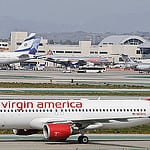
Although Kelly isn't enthusiastic about the quarter, the airline is in a better position than many of its peers to ride out any decline in passenger traffic or upswing in activity.
Check one bag and buy an airport sandwich and, before you know it, that ticket from a low-cost carrier doesn’t end up costing much less than a BA seat. Ads should show the actual math.
The distinction between low-cost carrier and legacy airline has been crumbling for sometime as airlines such as Vueling pursue business travelers with gusto.
There are few destinations left where travelers can’t brand-name hotels, which either provides the comforts of home or diminishes the novelty of travel depending on how you look at it.
Zipcar can expand quickly with new language capabilities and will likely repeat its practice from Spain of integrating a competitor to absorb its local customer base.
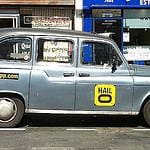
Uber paved the way for Hailo in Boston when city officials cleared the way for similar apps, but it will need to go it alone in New York City now that Uber has retreated from the market.
Felix’s one-man jump leads the way and builds hype for layman-friendly space programs like Virgin Galactic and Blue Origin, which didn’t even need to play sponsor to score the inadvertent promotion.
All the rhetoric aside, Horton will have to resolve matters with the pilots' union and continue to improve operational performance if American has any chance of winning back turned-off customers.
Hotel owners that spent significant amounts of money prior to the economic downturn in 2008 aren't seeing the numbers that they hoped they would and they're pointing a finger at management teams for not making their revenue dreams come true.
Stocks prices continue to climb for Kayak, Expedia, and Priceline with growth on the horizon, and they've lived to tell the tale after Google’s entrance on the travel scene.