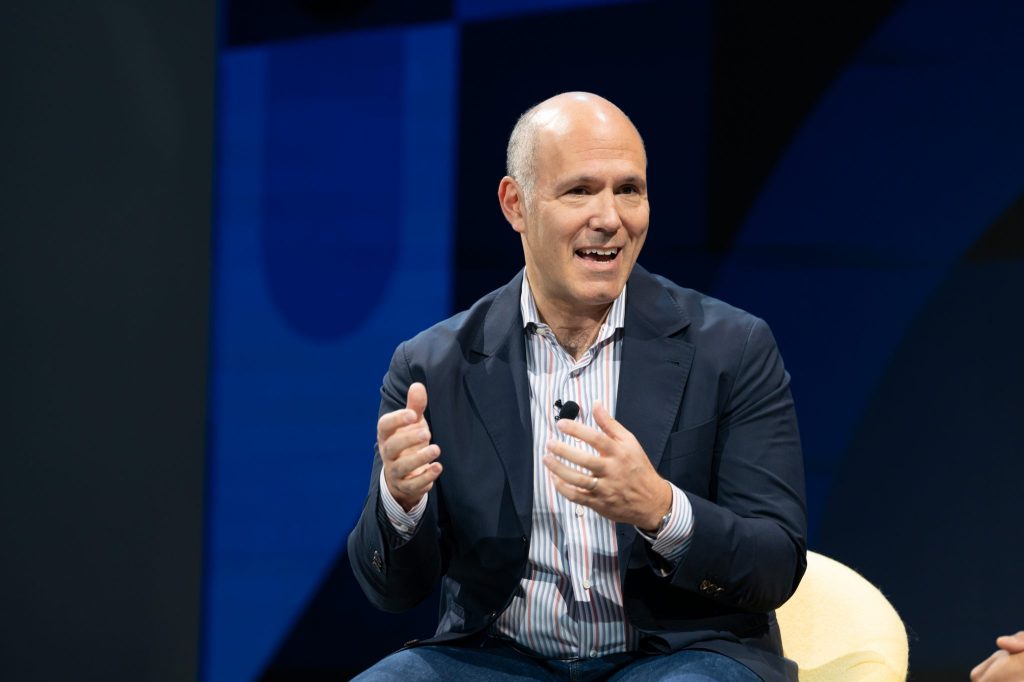
Hopper critics see blood in the water. But the company has a loyal following among younger people that rivals would die for. Hopper has altered course many times before, and can make changes to shift the momentum.
Today's edition of Skift's daily podcast looks closer at Expedia’s breakup with Hopper, an FAA and airline emissions partnership, and what Indian travelers want (hint: cheaper travel).
There has been a fundamental change in the way Indians perceive and engage with travel. As India continues to be a significant source of outbound tourism, destinations worldwide must recognize this changing landscape and adapt their offerings accordingly.
Expedia ended its supplier relationship with Hopper over a variety of business practices it finds abhorrent. Was there a competitive motive involved, as well? Yup.
As travel demand continues to rise post-pandemic, the role of travel advisors is evolving due to emerging technological innovations and shifting traveler expectations. Voyagu's latest report provides valuable insights into current travel advisor sentiment, highlighting the key challenges and opportunities that lie ahead.
Kudos to Google for bringing some diversity into the leadership of Google Travel. Left unanswered is whether the leadership changes portend any strategic shifts.
The fine print would ultimately determine the financial impact of the Digital Markets Act. But the fact that Booking Holdings filed a statement from Booking.com with the U.S. Securities and Exchange Commission about it this week means it believes the repercussions could be material to its operations.
The European Commission's logic appears to be that any strengthening of Booking.com — even in its flights business — would bolster its grip on the hotel business. Deal or no deal, Booking is committed to expanding in flights.