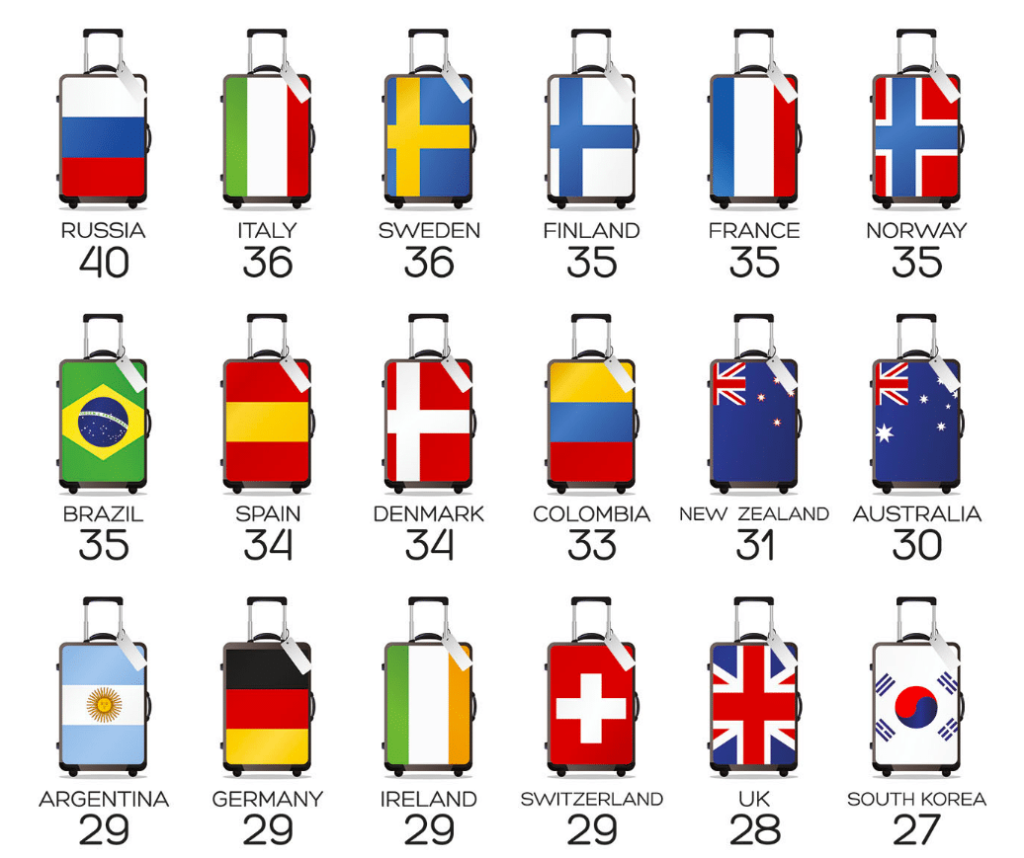
Contrast and comparison is a particularly effective technique for travel ads, because it highlights what makes each culture or company unique -- the ultimate goal of any good campaign.
Now you now why it is hard for startups -- and indeed traditional players -- to be successful in digital: all the historical industry-defined value chains have blurred -- we would even argue the phases of dreaming, planning, booking, destination aren't as clear as this report says -- and consumers are jumping across all of these using all the digital tools at their disposal.
Online travel "supermarkets" Travelocity and Expedia years ago looked like winners, but hotel "specialist" Booking.com prevailed, Room 77 argues. And, it's betting that a singular focus on hotels will one day enable Room 77 to out-Kayak Kayak. It's a huge hill to climb.
Most business travelers won't be satisfied with basic service. If InterContinental really wants to make a difference, it would subsidize premium Wi-Fi use for road warriors, as well.
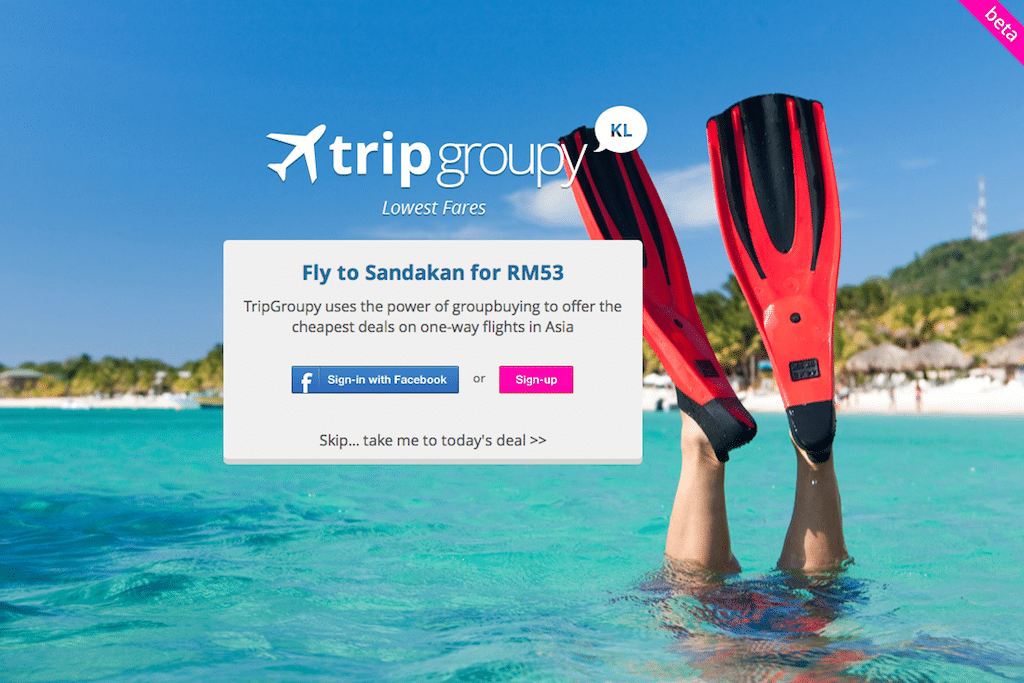
TripGroupy won’t need a marketing plan once it’s off the ground with social sharing a mandatory part of the booking process. It’s a smart move by AirAsia, but one that might make some weary of broadcasting their travel plans.
These trends are generalizations at best and stereotypes at worst, but attempt to give hotels an inside look at what drives the decisions of their most coveted travelers.