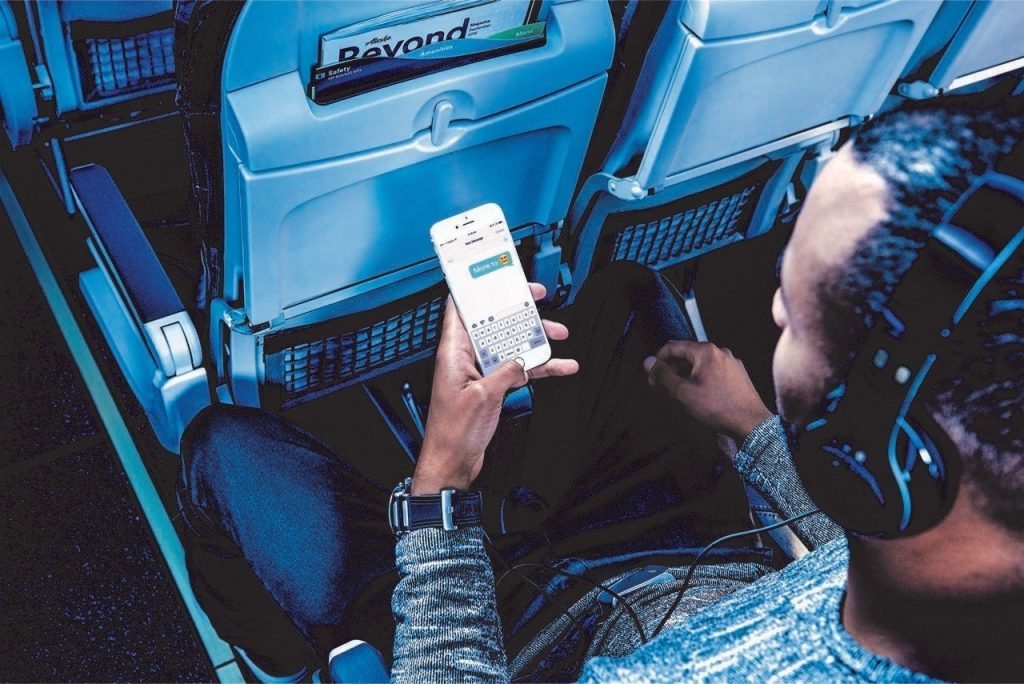
Young travelers may have a new reason to consider Alaska Airlines -- the carrier just opened up free mobile messaging on all of its WiFi-equipped flights.
It's easy to be skeptical when an airline says it is making passenger-friendly decisions, but this appears to be the real deal. Many travelers will be much closer to a free ticket now that Alaska is retaining its miles-earning policies for the foreseeable future.
Delta and Alaska haven't been cozy for years, but many customers still have enjoyed the reciprocal frequent flyer benefits. Now that's about to end, and the airlines will be true competitors.
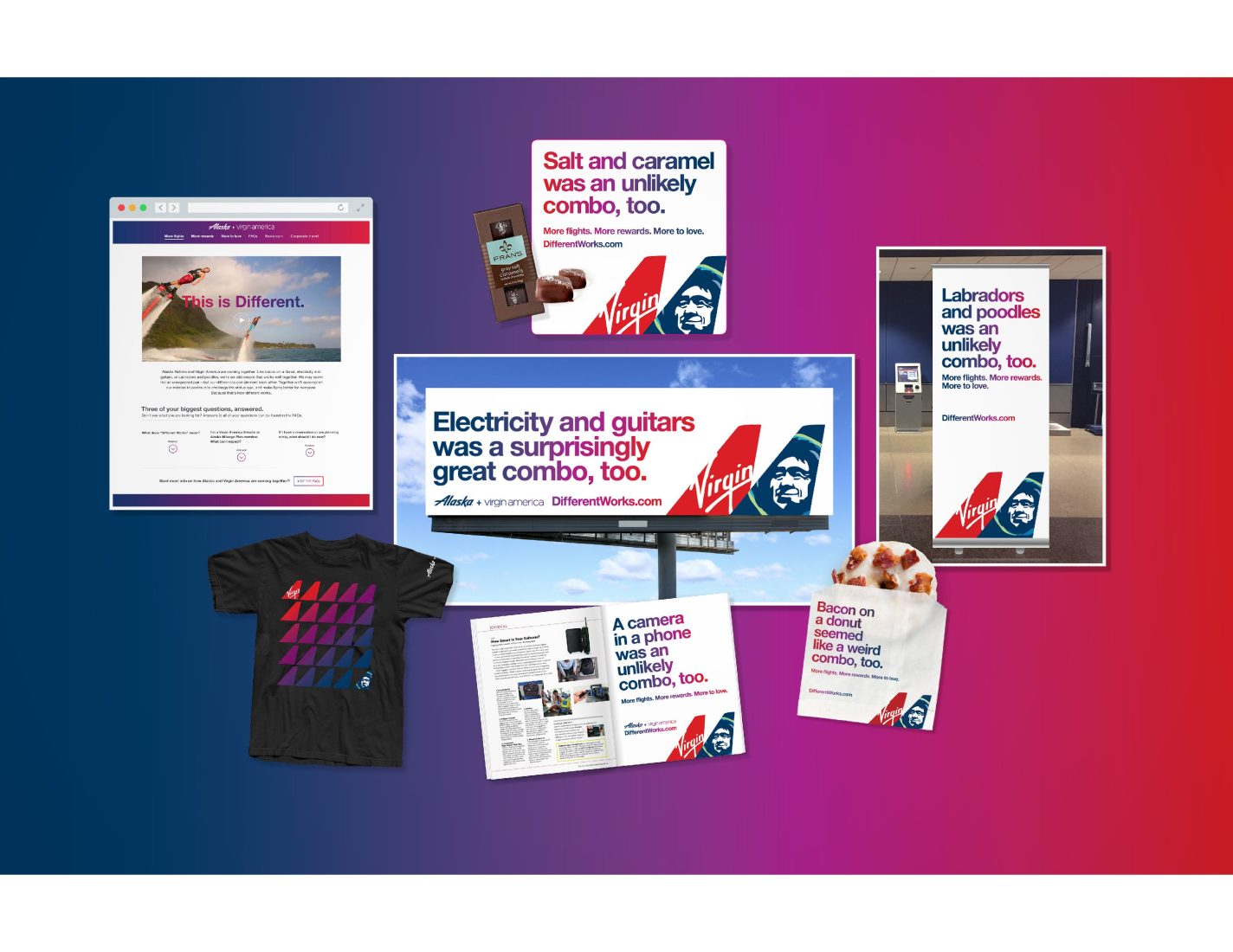
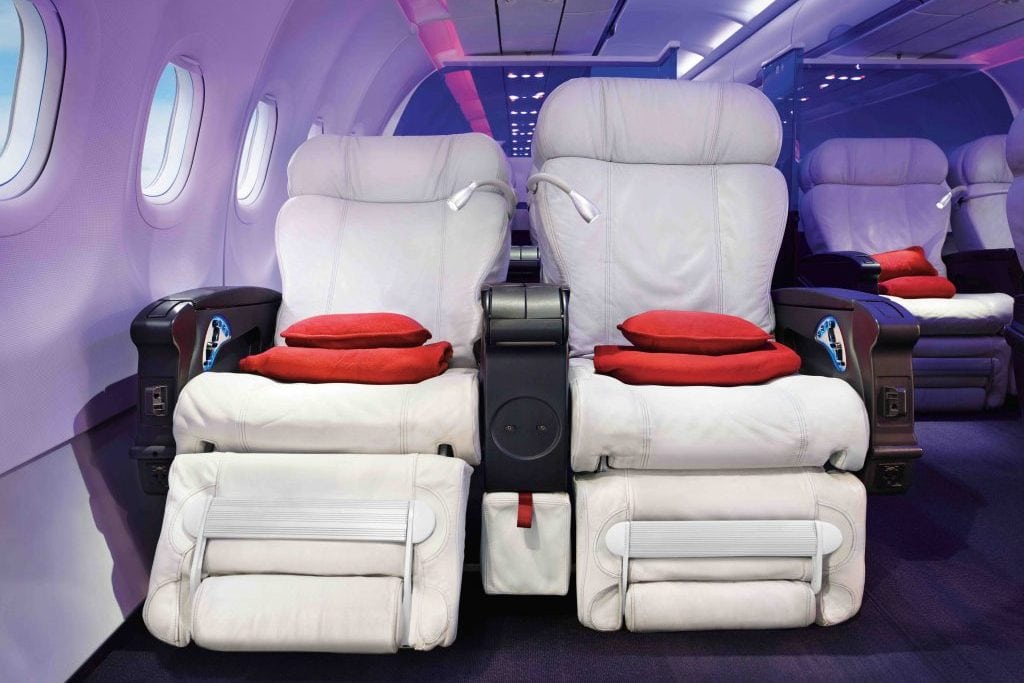
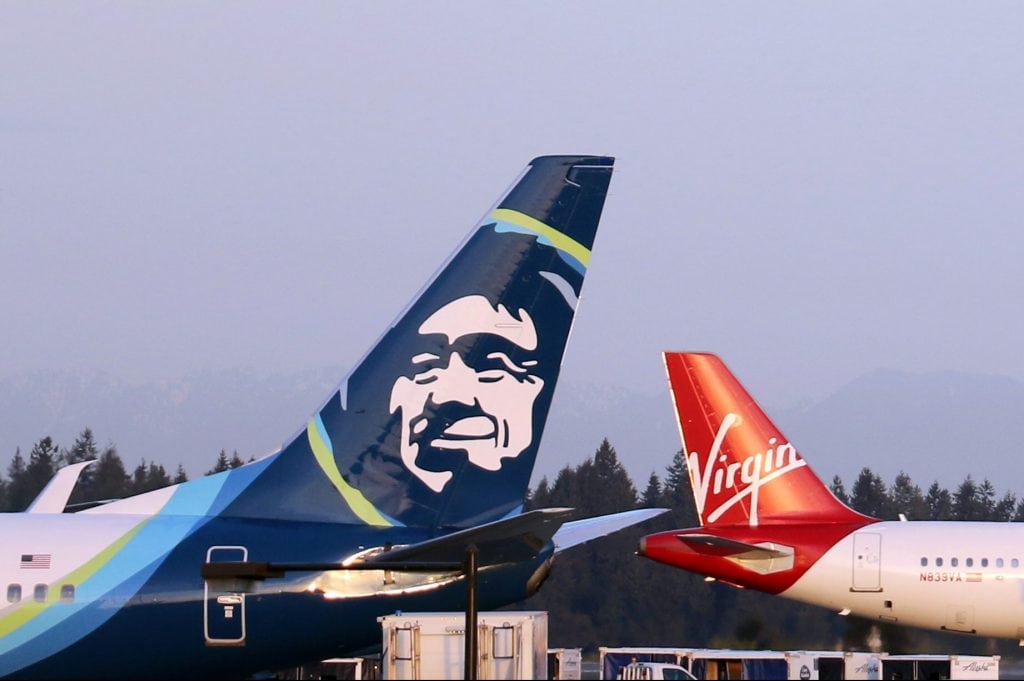
Alaska got what it wanted, and it's now among the strongest U.S. airlines on the West Coast. But the hard part is still to come. Alaska must meld two airlines with different cultures and customer bases.
It's not likely Alaska Airlines would have lost in court, but this case was still a nuisance, so it makes sense that the company resolved it. Now, Alaska can finally focus on absorbing Virgin America.
The Department of Justice has an odd relationship with airlines. It seems to enjoy grabbing headlines about how it's doing its job to protect industry competition. But when it comes time to actually getting airlines to make real concessions, it falls short.
Alaska is changing its loyalty program to add revenue considerations to its upgrade process. Beyond the immediate impact, that move may foreshadow a dark future for its loyalty program.
If Virgin America was not expected to merge with Alaska Airlines, analysts likely would fret about Virgin America's falling unit revenue. But since Virgin America is now in limbo, waiting to see if it can close its merger, it's not clear how much the unit revenue decrease matters.
The important stuff is happening in Washington, D.C. where the Department of Justice is considering whether it will seek to block the Alaska Airlines/Virgin America merger. This is more of a minor hiccup, but it's undoubtedly annoying for the two airlines.