
Security fears have done what even visa hassles and high prices never could, convincing the world's biggest tourism market to just stay closer to home.
India’s inbound travel was already fragile, now it’s being stress-tested. With Middle East routes disrupted, getting to India is harder, pricier, and slower, and that’s translating into lost bookings.
Karnal city in Haryana may not be the first place that comes to mind when you think of Marriott or the Autograph Collection. But that, it turns out, is exactly the point.
Akasa built five of six international routes into the Middle East. With the Gulf in conflict, Southeast Asia has now become the Indian carrier’s viable growth corridor.
As intra-Asia travel picks up, destinations are waking up to the fact that payments are now core travel infrastructure. Sri Lanka’s bet is simple, if Asian travelers live inside super apps and e-wallets, that’s where tourism growth needs to happen too.
Etihad's China expansion is a strategic hedge, as it doubles down on the fastest-recovering aviation market just as the Iran war forces a rethink of where long-haul growth comes from.
Hyatt isn’t just aiming to grow its brand presence in India, it wants to build a brand rooted in the country’s own identity. Now, will this come from building something from scratch, or buying into something that already exists?
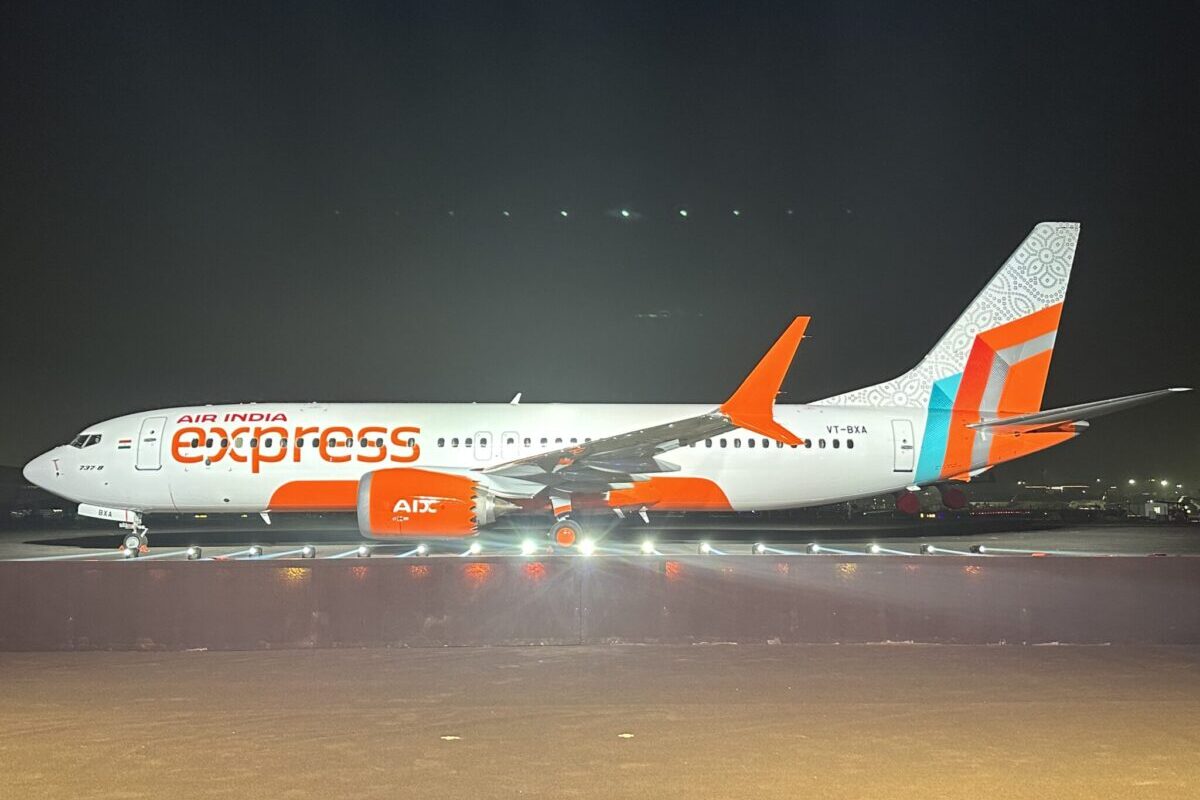
Keeping Wilson in place until a successor is found is a sensible call, with Air India Express already without a permanent CEO, having two carriers without leaders simultaneously is not a risk the Tatas can afford.
AirAsia X is raising fares to absorb soaring fuel costs while keeping capacity largely intact. The airline is betting the crisis will pass before its low-cost model is tested too hard.