A $200 million funding round, coupled with new products from its recently acquired travel division, will see the Singapore startup Nium venture into the U.S.
In Skift's top travel stories this week, IHG is launching its 17th brand, global consultancies will cut business travel spend, Oyo edged toward an initial public offering, and British Airways' parent grew its startup accelerator during the pandemic.
While much of the talk these days is about digital nomads and remote workers, both Expedia Group and Booking Holdings have doubled down on commitments to brick and mortar headquarters. Which could mean that there may be real offices again after the pandemic.
Tripadvisor's travel-planning help by text for Tripadvisor Plus subscribers plays to the company's strengths — user reviews and a global roster of hotels, restaurants and things to do listings. It really can't compete, though, with a real travel agent who has visited the destination and knows the hotel general manager personally.
In Skift’s top travel stories this week, EasyJet partnered with Deutsche Bahn on combination tickets, Southwest sued Skiplagged, Sabre said it ha a chance of beating pre-pandemic margins, and a downsized regional airline plans to relaunch.
Booking.com is a one-trick pony, but it's quite a trick. The brand shines at selling hotel stays online. Yet parent company Booking Holdings wants the brand to succeed at cross-selling all types of travel post-pandemic. That will be trickier.
Business school students can probably debate this question endlessly and there would be merit in either position: Should smaller companies copy their larger rivals or vice versa? In the Google era, marketing power often wins the day — but differentiation still counts.
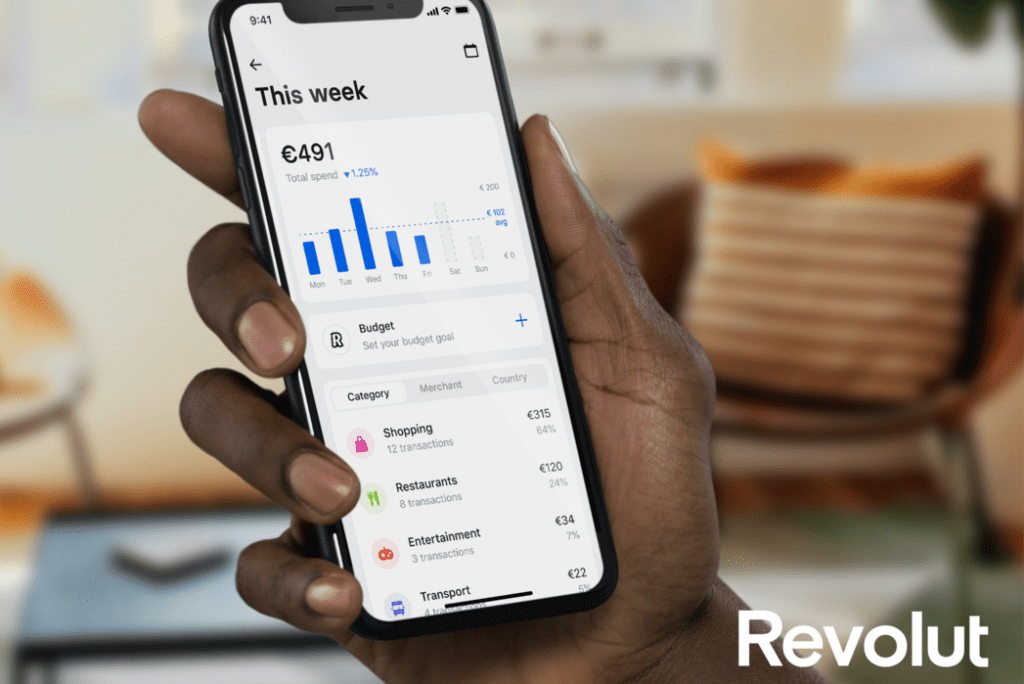
Fintech is trending, and likewise for superapps in certain parts of the world. Getting into travel is too delicious to resist, but the world is not ending for incumbent travel competitors.
In what could be the travel industry’s most drawn-out launch of a booking tool, the final version will appeal to many small companies — but it could have offered so much more.