International business travel to the U.S. has been a weak point recently due to the strong dollar. We may be about to find out how much worse it can get.
When a company updates its product to become easier for all parties to use — especially in corporate travel — we pay attention. The rest of the industry would be wise to do the same.
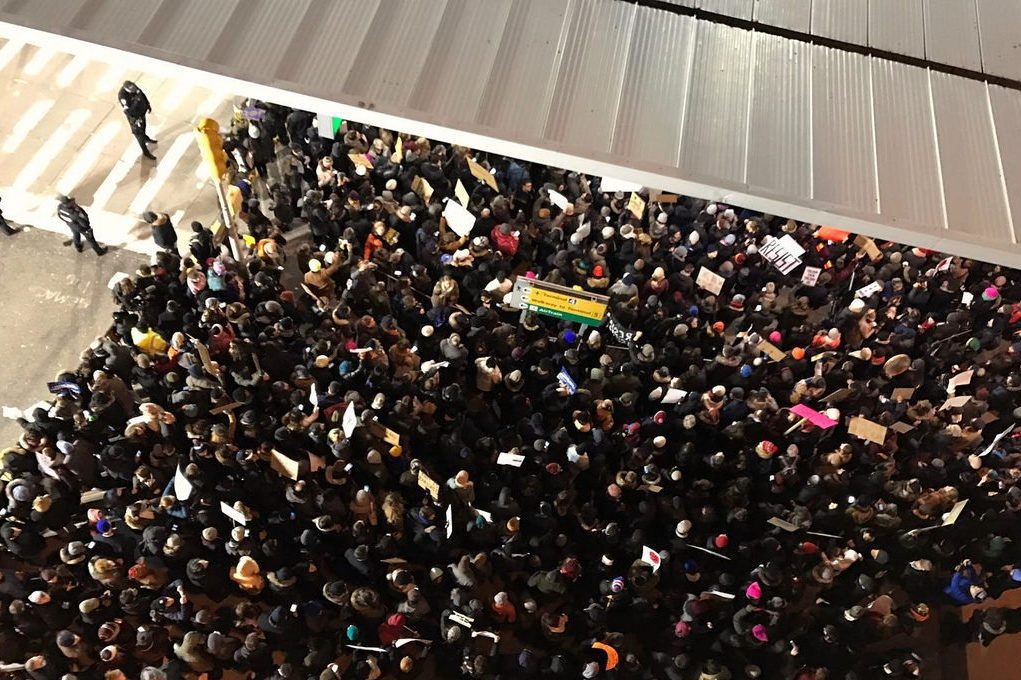
The first travel ban resulted in stranded travelers, widespread protests, and court battles. What will round two bring, and will corporate travel executives be better prepared this time?
While the public outcry may have died down while Americans await the Trump administration's next move, the recent travel ban may still be affecting U.S. citizens who are Muslim.
If the past few weeks have shown us anything, it's that uncertainty did not end with the U.S. presidential election. Now, with a controversial travel ban tied up in court, companies are considering a reduction in business travel.
Travel spending is stable globally. Nobody is really sure what 2017 will hold for leisure or business travel, however, given global instability and the high value of the U.S. dollar.
The fallout over Friday's problematic executive order continues: Companies are afraid that employees won't be able to travel freely and won't be safe while they're on the road.
Could Airbnb be on the cusp of disrupting business travel lodging in a manner similar to how Uber has come to completely dominate ground transportation? Unlikely, but it seems that a growing number of companies are becoming more lenient towards Airbnb use in their corporate travel policies.
Business travel spending has increased tremendously in India and Brazil since 2000 — but most of that money is spent domestically. As those and other markets continue to change — and global politics shift — will the future bring more or fewer international business trips?