Hiking the internal penalty for business travel carbon emissions might be a huge deterrent to employees when thinking about their next trip, but it's more a wake-up call to airlines to go greener.
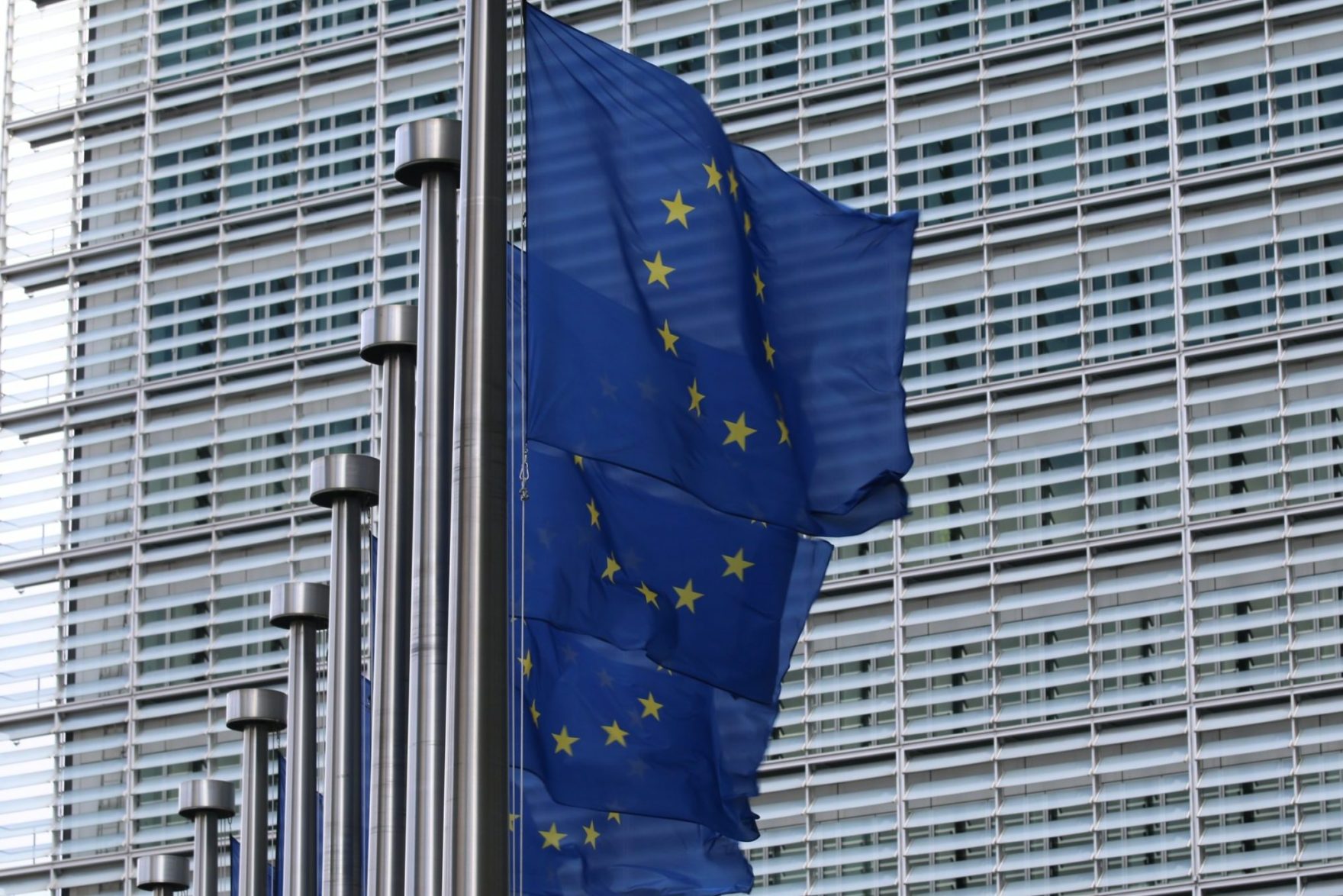
The travel industry looks set to clash with the European Commission over proposals for its "Fit for 55" climate change legislation. It's going to be a pivotal year.
The CitizenM and Student Hotel backer is investing as part of a 10-year deal, which shows there's real momentum behind manufacturing this type of fuel. The question is when, or if, it will ever become cheap enough to make a real difference.
This new “field evidence” based on a European airline's bookings is a reality check: passengers might say they'd pay a small amount to offset their flight, but they’re clearly not.
The aviation industry's target of achieving net zero emissions is a necessary step to combat climate change but it will be enormously difficult as the number of people taking to the skies shows no signs of slowing down — especially as destinations are reopening. IATA's new hire of an industry outsider signals that it will be a priority.
Tourists will be footing the higher rate with a new "ultra" long-haul tax as part of plans to reduce emissions just as international travel is starting to ramp back up. Still, many businesses will welcome the reduction in passenger taxes on short-haul flights.
Some travel and hospitality companies have good intentions when it comes to becoming more sustainable enterprises, but there are still some uncomfortable truths.
Cutting tourism-related carbon emissions in half is very ambitious, but travel can't go small in combating climate change. However, the fight to cut emissions will face an enormous challenge when airline passenger numbers return to pre-Covid levels.