Adoption of travel experiences is increasing in India. With the journey starting at airports, lounges are an unmissable experience for Indian travelers.
For MakeMyTrip, the acquisition is a calculated bet on the future of India’s corporate travel market — a bet that could pay off handsomely as the market doubles by 2030.
As Yatra looks at ways to workaround competition in its consumer business, the company is continuing to scale its corporate travel segment to drive profitability.
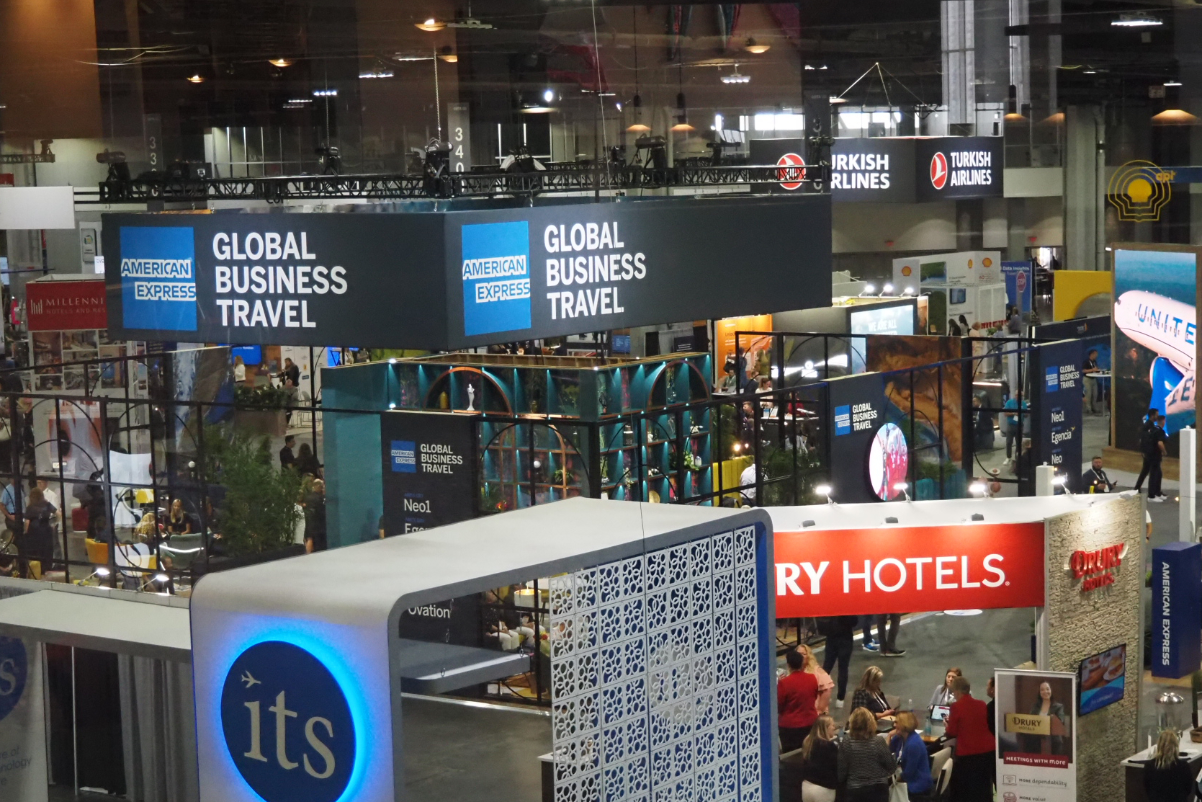
There's something appealing about a business model that makes money by saving other people money. So why is Amex GBT, the largest corporate travel management company, losing money?
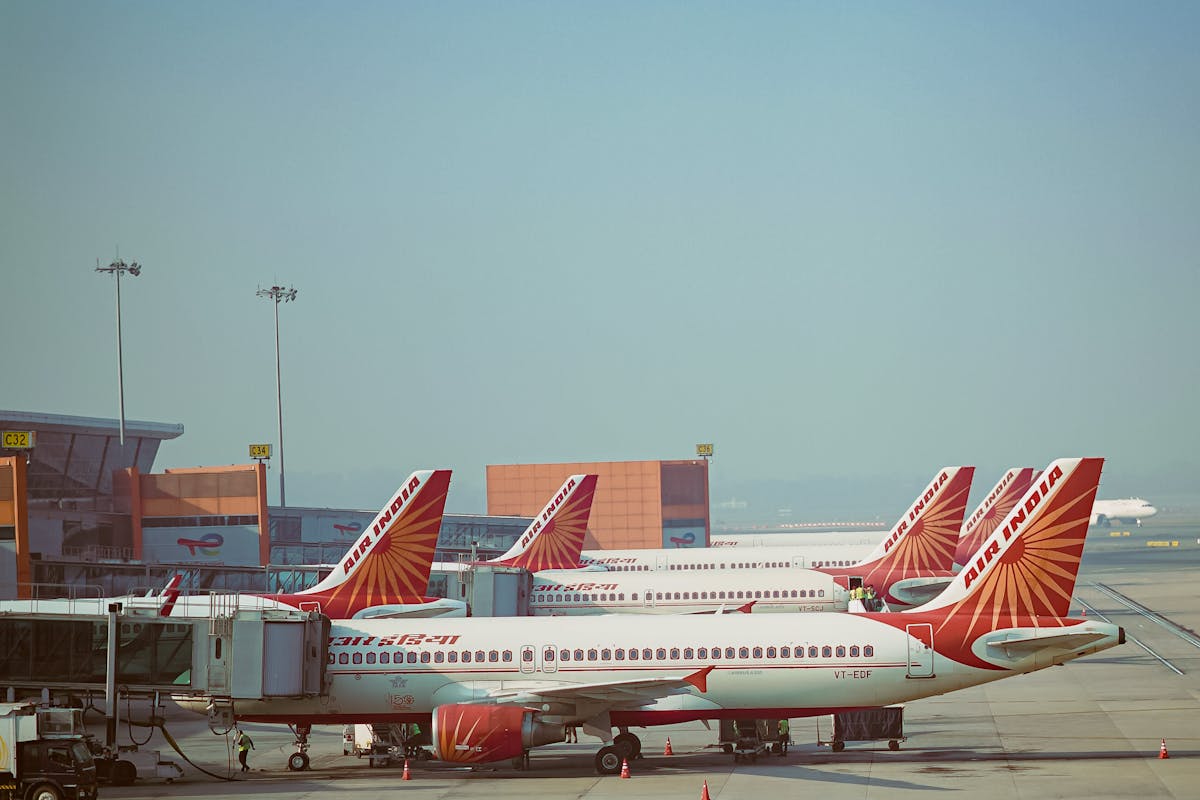
Airport infrastructure is being ramped up in India to support expected demand, and airlines are also expanding their fleets. The next step is to make planes in India.
In India’s corporate travel landscape, small is big as small and medium enterprises shape the future of the sector. Their growing travel demand is a key factor driving the market’s expected doubling by 2030.
The direct connection with airlines would help streamline the booking process, making it easier for businesses to plan trips without needing to jump between platforms.
It turns out that 2019 is no longer a good year to compare prices to. That should be a relief to anyone trying to explain why their travel budget looks so different now.
The Indian hotel industry is expected to grow over the next three years for several reasons: limited room supply, growing demand, better infrastructure. The demand-supply gap is a positive aspect, but could also cause issues if not carefully dealt with.
Yatra’s acquisition of a corporate travel company highlights its shift towards the more profitable business travel market, especially as competition heats up in the consumer travel space. With consumer revenue dropping, Yatra is doubling down on corporate clients.