
Articles tagged “cruise lines”
Accor Takes Over Legendary QE2 Ship For Floating Hotel in Dubai
Well, never accuse Accor of not experimenting with new things, maybe to a fault: it has taken over the operations of the legendary cruise liner and ship Queen Elizabeth 2.…
PlusGrade to Buy Points.com for $385 Million in Cash in Blockbuster Loyalty Deal
PlusGrade and Points.com deal with some of the same partners, and they can now approach them with a collaborative pitch.
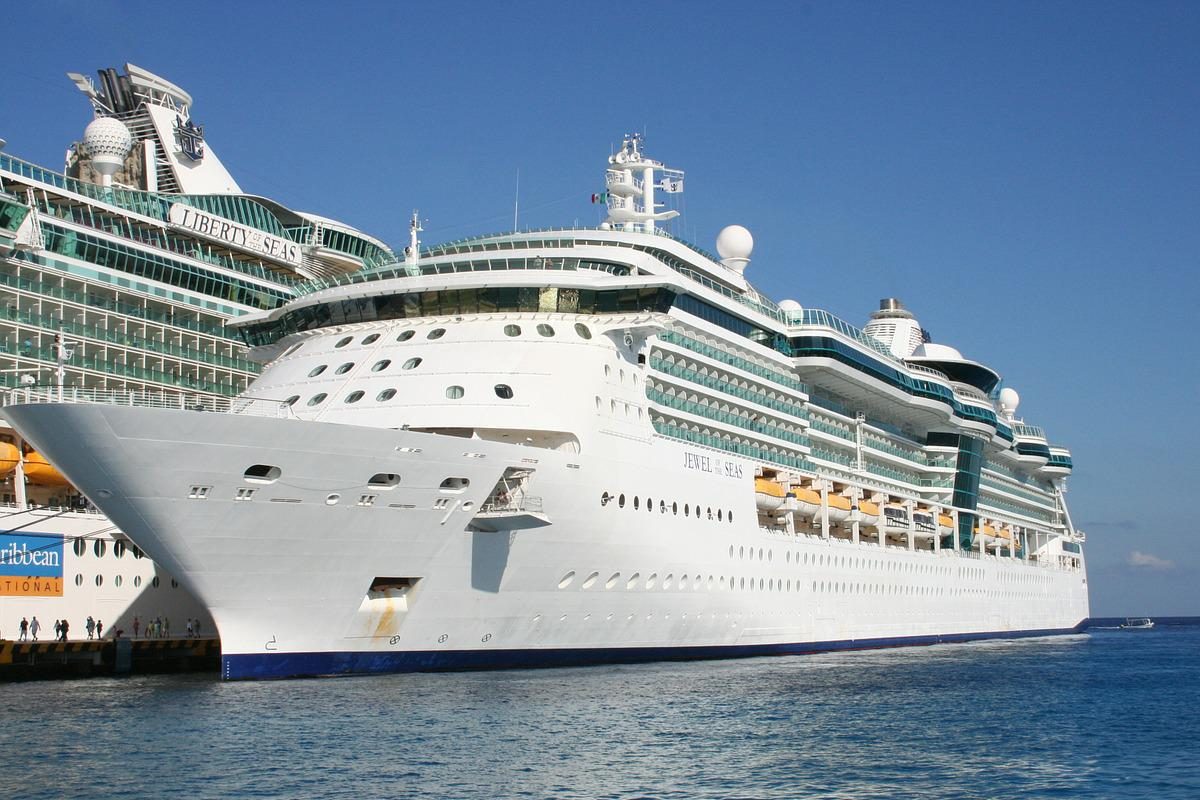
Royal Caribbean Isn’t Worried About Inflation Even With a $1.2 Billion Loss
Royal Caribbean — like its rivals in the cruise industry — has had a brutal last two years. But it can finally see a light at the end of tunnel in large part because it fully believes that consumers aren't deterred by rising prices.

Carnival CEO Arnold Donald Is Stepping Down
Donald has had to deal with the biggest crisis ever to hit the cruise industry, and leaves the company in still-uncharted waters with an uncertain path to recovery.

Travel’s New Constant Volatility Requires Smarter Embrace of Data
The pandemic may be fading in many markets, but the Ukraine crisis is a reminder that volatility in travel demand is here to stay. Airlines, hotels, and cruise lines need to draw faster insights from their data to thrive.
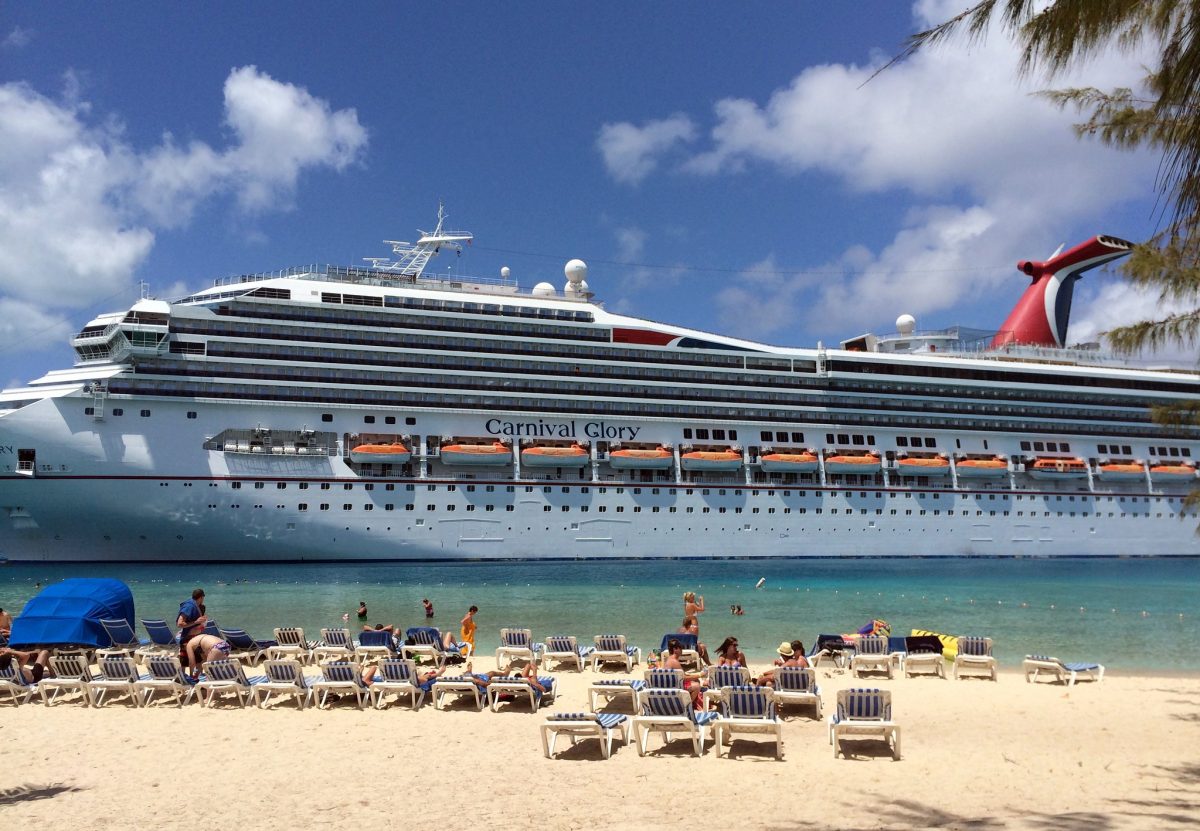
Cruise Confidence Returning Slowly But Not for Megaships
It's still an unpredictable road ahead for the major cruise lines eyeing the rebound of U.S. consumer confidence. Travel restrictions are indeed easing for its top region in demand, the Caribbean, and more cruisers are making plans. But they're also remaining cautious.
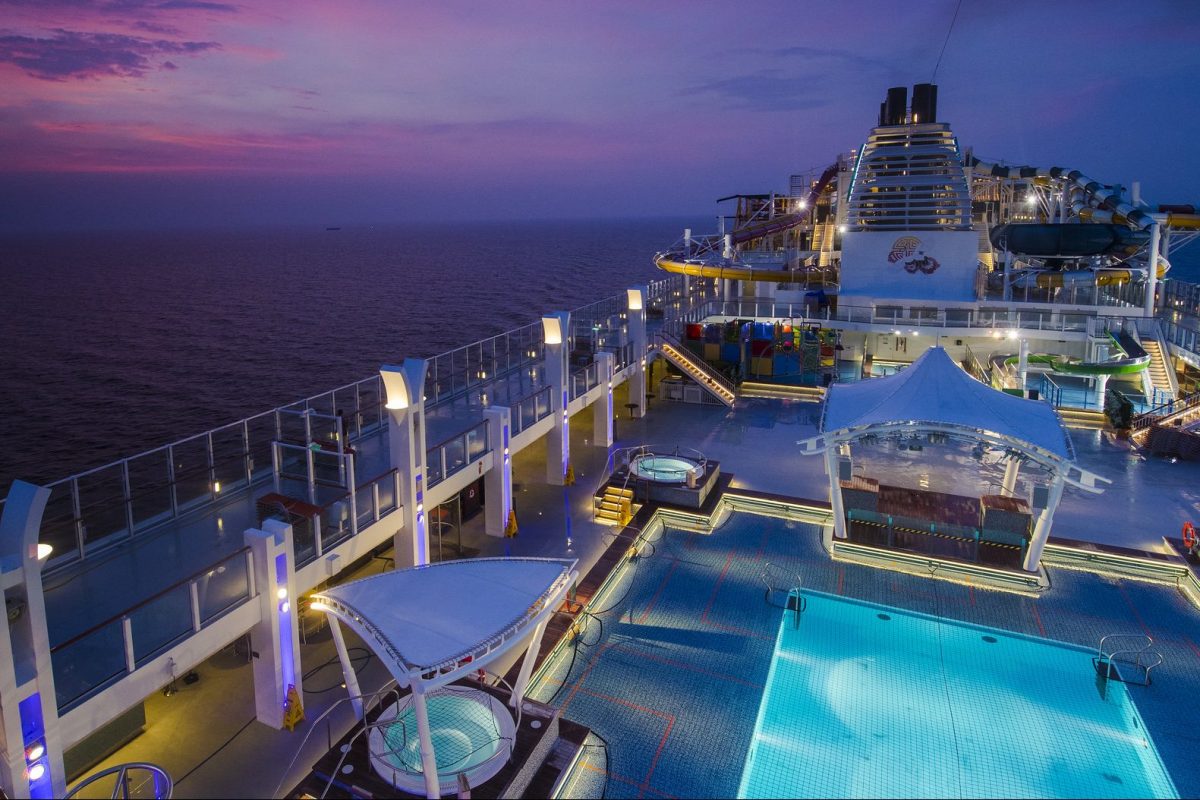
Genting Hong Kong Cruise Line to Liquidate
Genting may not be one of the cruise sector's giants, but its collapse showcases just how much the pandemic has battered that industry.
Daily Podcast: An Unhealthy Cruise Dependency
Good morning from Skift. It's Tuesday, January 18, in New York City. Here's what you need to know about the business of travel today.
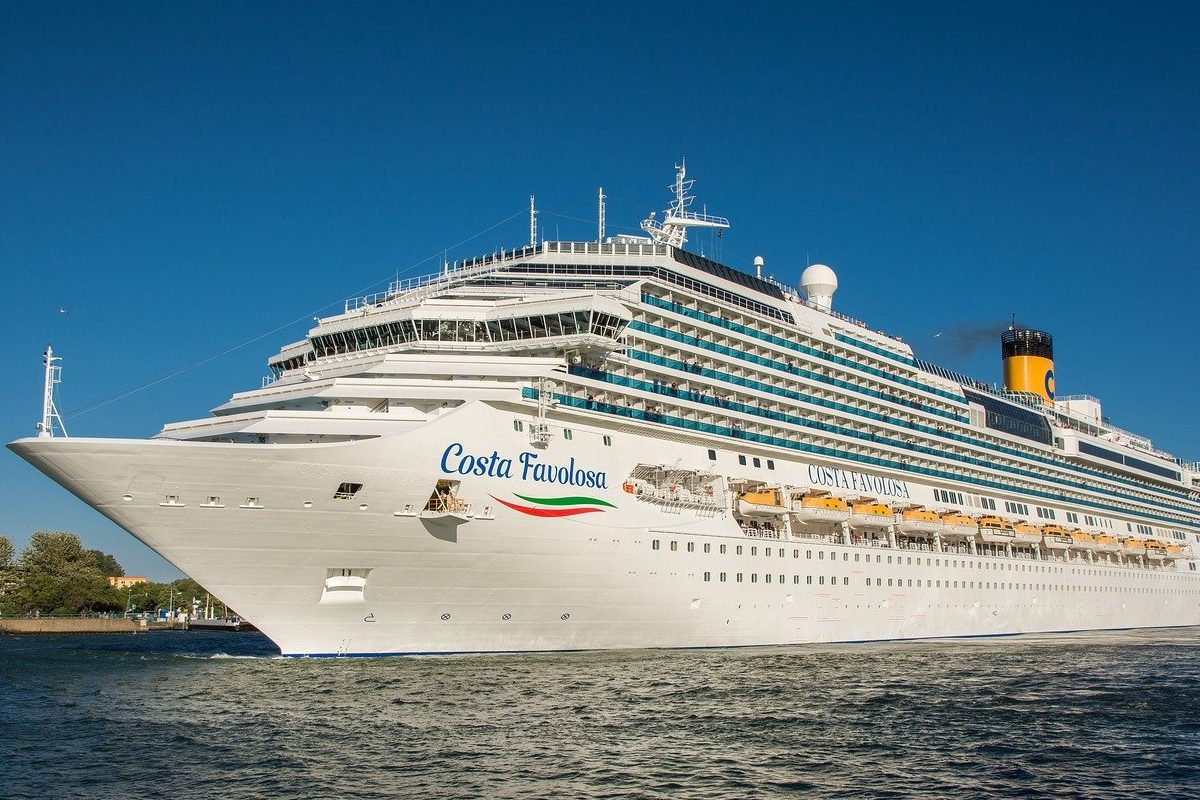
Cruise-Dependent Travel Agents Seek Alternatives After Another CDC Warning
Travel agents should've been expecting a development would arise making the sale of cruises difficult since the cruise industry has been so volatile since the start of the pandemic. It's clear to many agents now to find ways to be less dependent on booking cruises.