As hotel brands compete on scale, technology, and loyalty ecosystems, Accor is positioning culture as a long-term source of differentiation. By investing in heritage preservation and creative partnerships, the group is betting that cultural credibility will shape hospitality’s next phase.
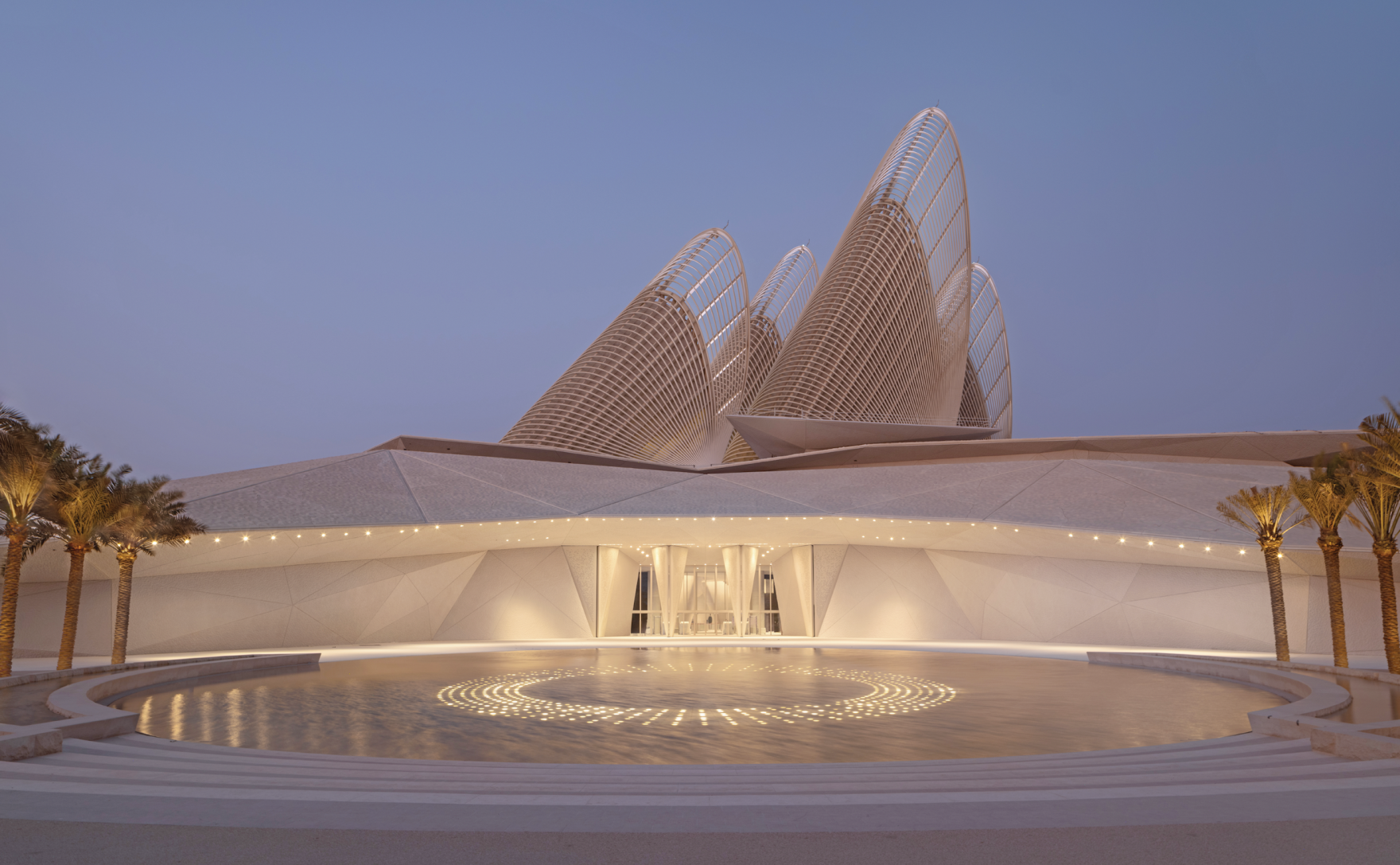
The global appetite for authentic travel is increasingly central to demand, and the Department of Culture and Tourism – Abu Dhabi is meeting it with scale and intention. Its cultural strategy shows a destination treating curiosity as its most valuable currency.
Department of Culture and Tourism – Abu Dhabi + Skift |
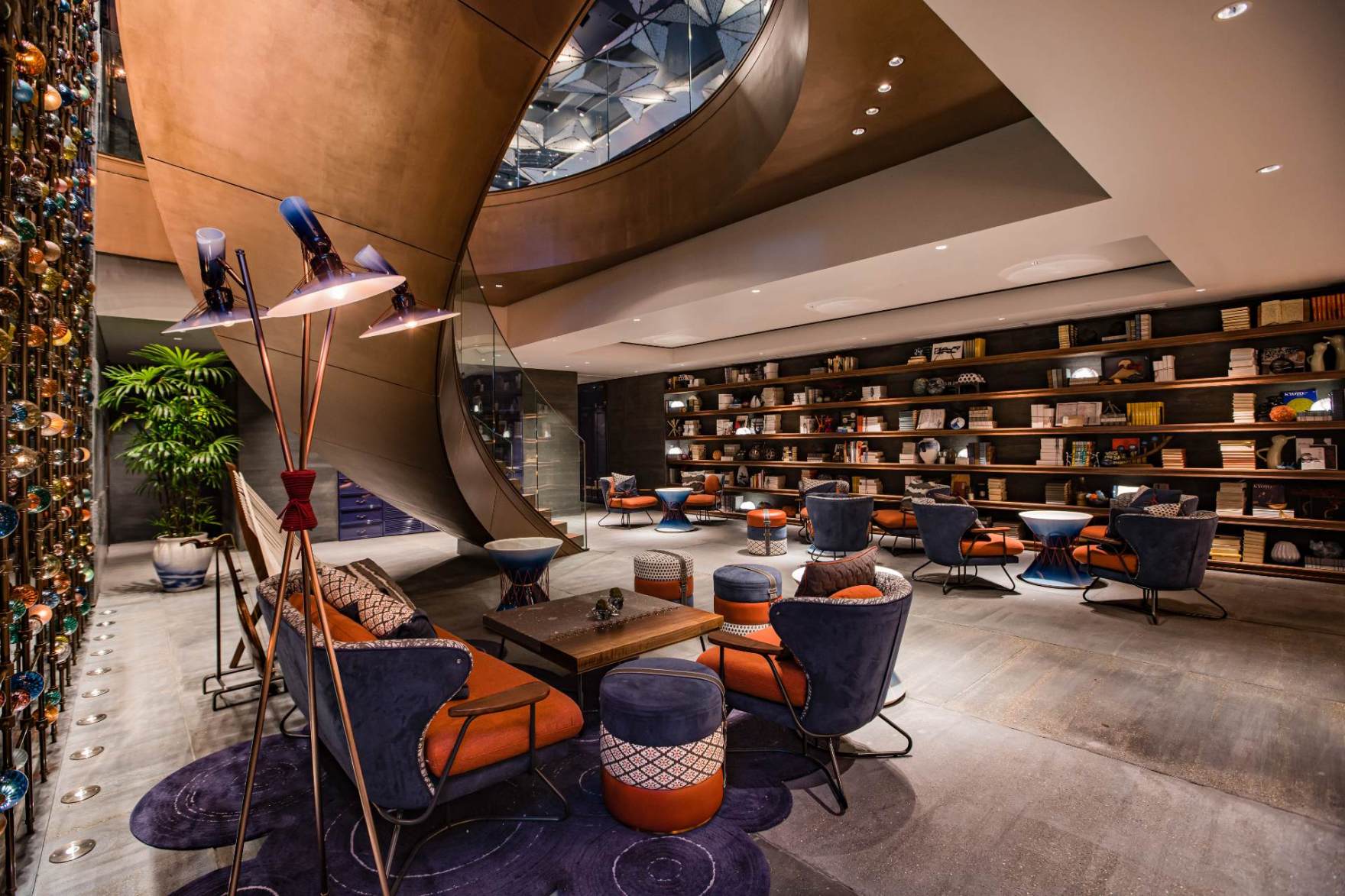
Since 1859, the Pullman name has been synonymous with a pioneering spirit. This month, Accor is officially relaunching the Pullman brand, rejuvenating that historic legacy to serve the modern blended traveler and redefine the possibilities of premium hospitality.
In this video interview, Hannah Bennett, head of travel at TikTok UK, discusses highlights from TikTok’s latest research exploring how traveler behavior is evolving and what these shifts mean for travel marketers looking to connect with audiences across the full funnel.
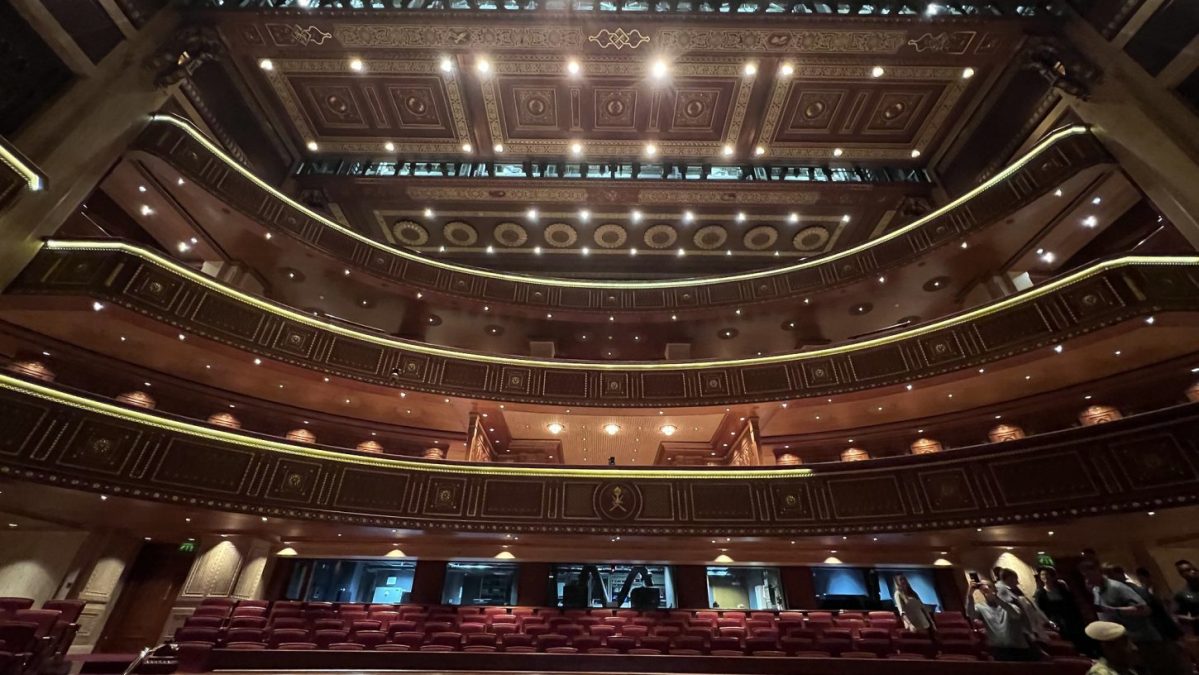
While neighbors chase viral moments, Oman built something that will outlast the hype era. Sometimes the smartest cultural investment is the deepest one.
As traditionally popular destinations buckle under the pressure of overtourism, Abu Dhabi is cleverly positioning itself as the smarter alternative for discerning travellers who value meaningful engagement.
Department of Culture and Tourism – Abu Dhabi + Skift |
Western destinations need a full reset of cultural values that prioritizes human connection. That’s the only way to compete with regions where welcoming guests is a way of life.
The relatively recent popularization of local and authentic experiences is nothing new to Accor’s midscale Mercure brand, which is celebrating five decades of championing local communities and cultures with a bucket list of some of the world’s best food and beverage experiences.