Just about every travel company — Sonder included — wants more direct bookings because of the lower costs and chance to build customer relationships. Still, Sonder may be at a growth stage where adding distribution channels can be an important hedge against over-reliance on the bigger ones.
The acquisition of Smooss clearly wasn't a budget buster for Hopper, but it could be another piece in the unglamorous behind-the-scenes tech effort to smooth the way for distribution deals with airlines.
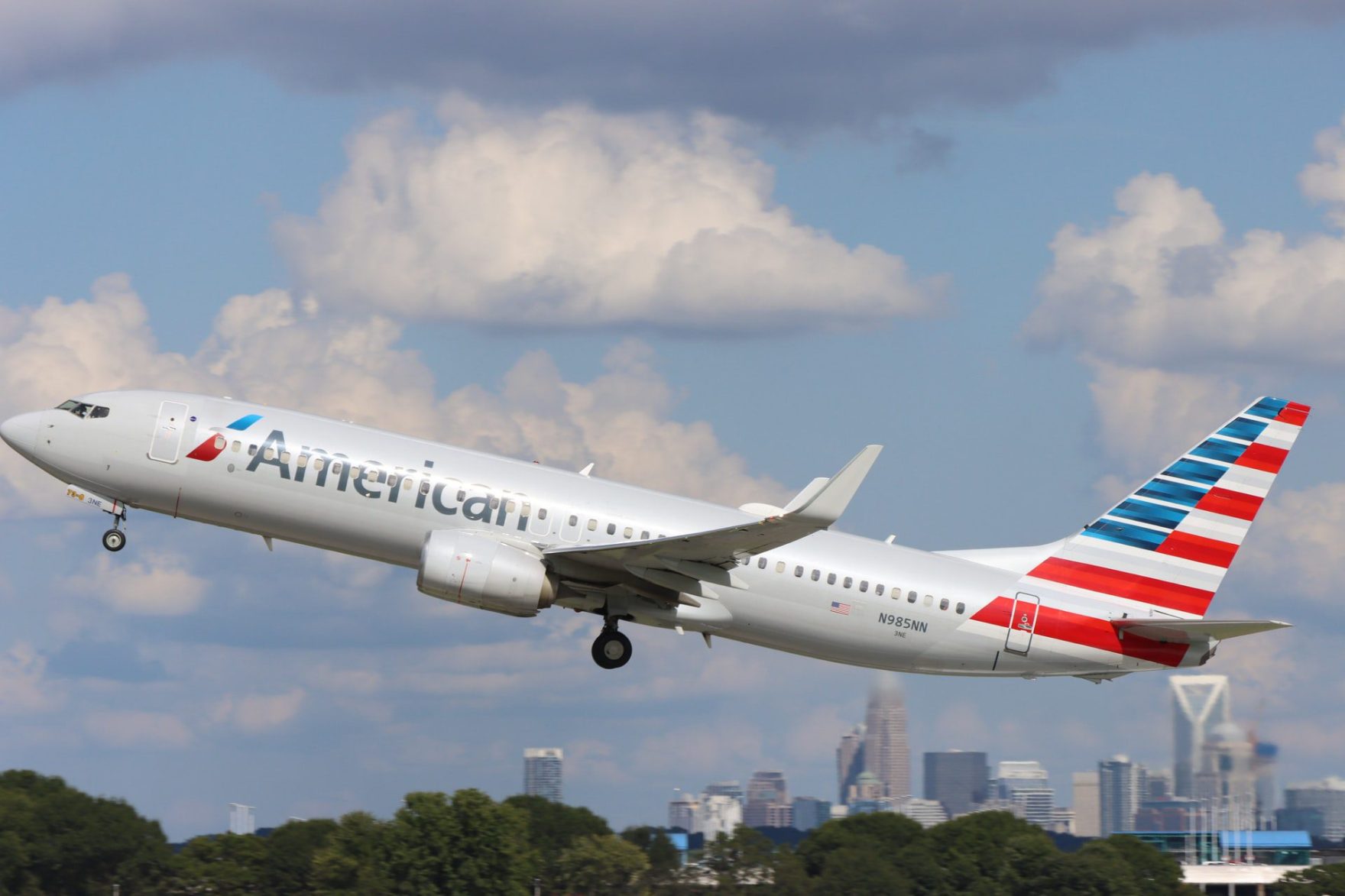
Airline distribution's fate may lie somewhere between the skeptical view of Tom Klein, the former CEO of Sabre, and the optimistic view of Alice Ferrari, the CEO of Kyte.
No one has cornered the market in enterprise software for hotels. This fractured sector creates opportunities for vendors. One notable pitch is Shiji's call for "total distribution."
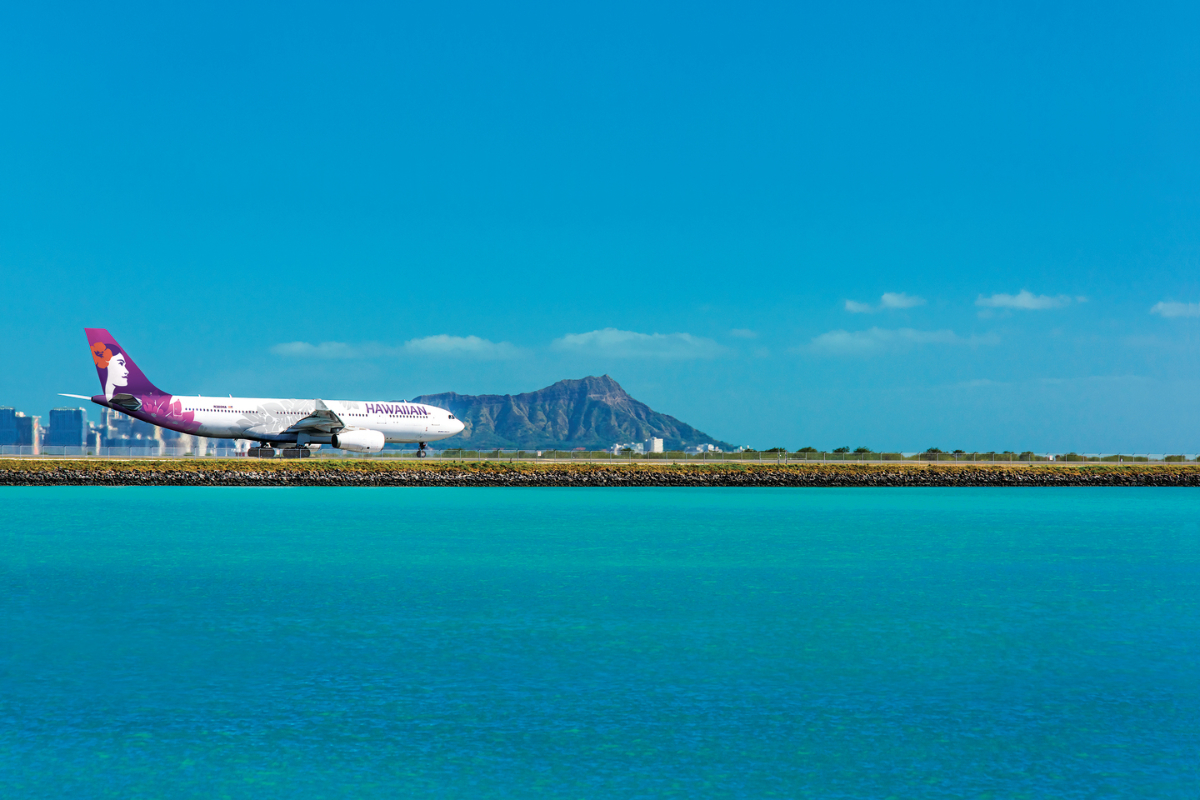
For years, a handful of large airline groups outside of the U.S. have slapped surcharges on airfare sold via legacy technology. Hawaiian is the first U.S.-based airline to add distribution surcharges.
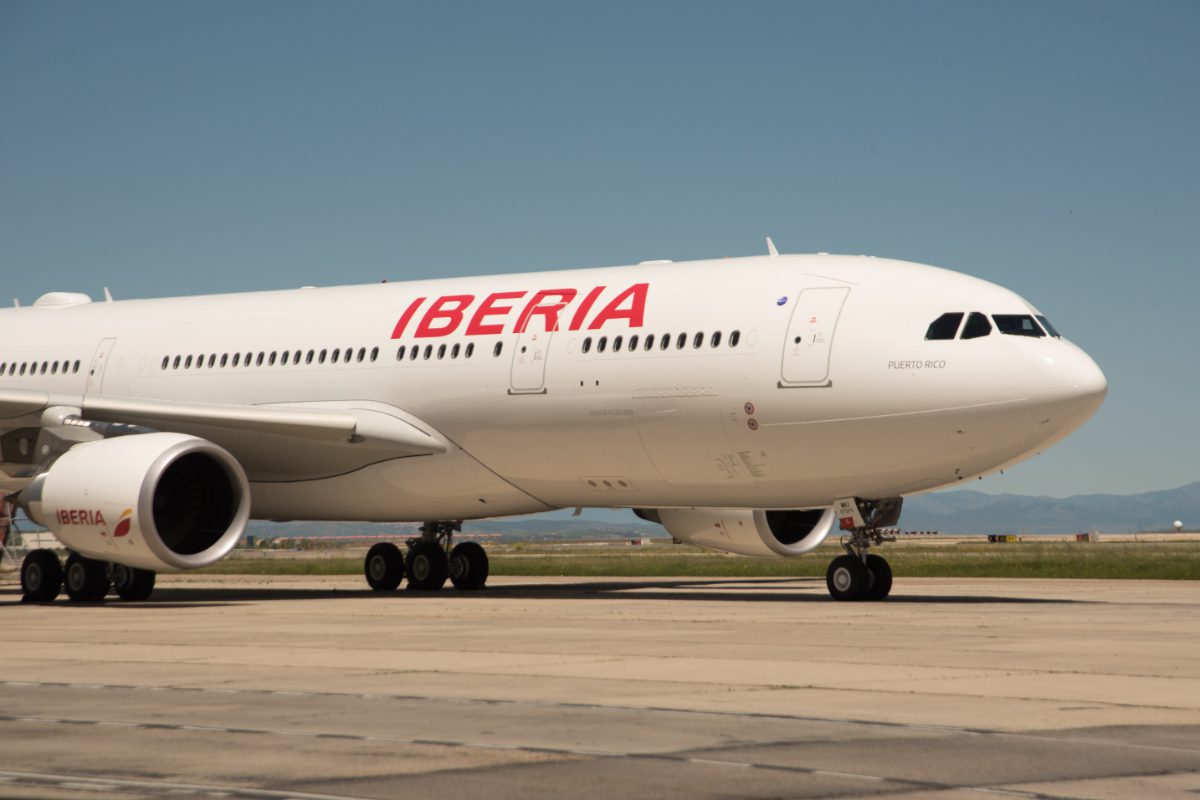
The Spanish flag carrier is overhauling its distribution process and plans to introduce new products in 2022. Its story provides insight into a flurry of announcements by other carriers aiming to make similar moves.
Blockchain distribution, and how it can eliminate the need for intermediaries, has been discussed for some time in travel. When these bigger players take a seat at the table, the rest of the industry needs to pay attention.
This was a great day for unheralded channel managers and digital marketing startups toiling in the backwaters of hotel distribution. If SiteMinder can achieve unicorn status, perhaps through a SPAC, an IPO or more hard work, keep at it and you can too.
Hotel companies have broadly resisted using aggregators such as Expedia and Booking.com for online sales so far during the recovery because of somewhat surprising factors. Yet the temptation remains.