There may not be a "one size fits all" model for all hotel properties, but our latest research report highlights key items for hotel owners to think about when it comes to operating structures and branding strategies in today's environment.
The smart guest room of the future is still in development. A strong return on investment for hotel owners who invest in updated technology, however, will help push these innovations into the mainstream.
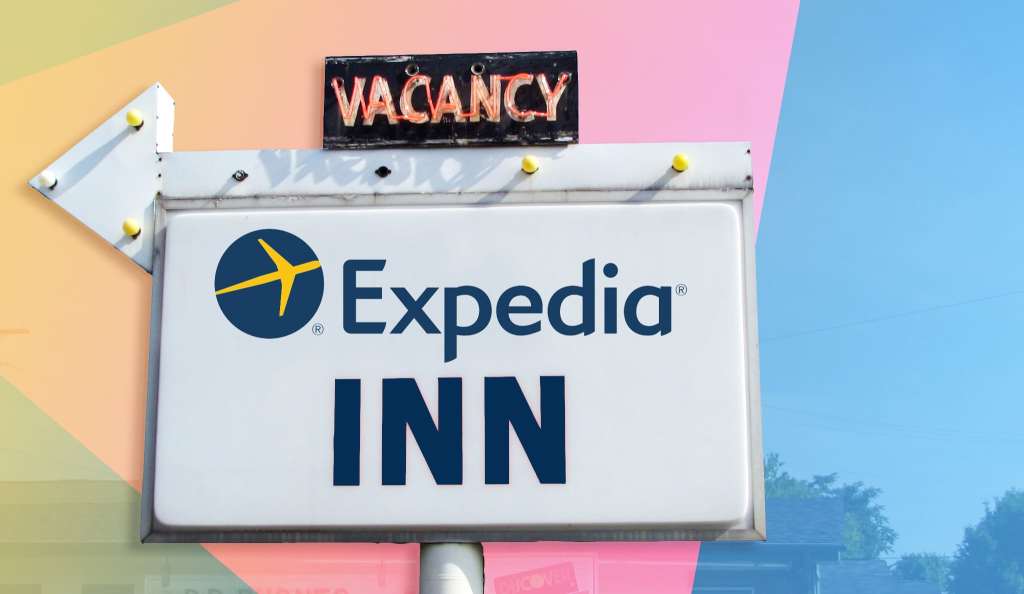
A year from now — or perhaps sooner — we wouldn't be at all surprised to hear Expedia executives admit that hotels' direct-booking campaigns were having more of an adverse impact than the company initially articulated. Hotels have taken back some control from Expedia, and its shift toward independent hotels has far-reaching implications.
More conservative folks might talk about being "cautiously optimistic," but positivity is the prevailing sentiment this year in the hospitality industry.
Whether or not you agree with this, it's certainly an idea worth contemplating as everyone and everything in the travel industry are beginning to converge. Whatever you decide, please don't shoot the messenger.
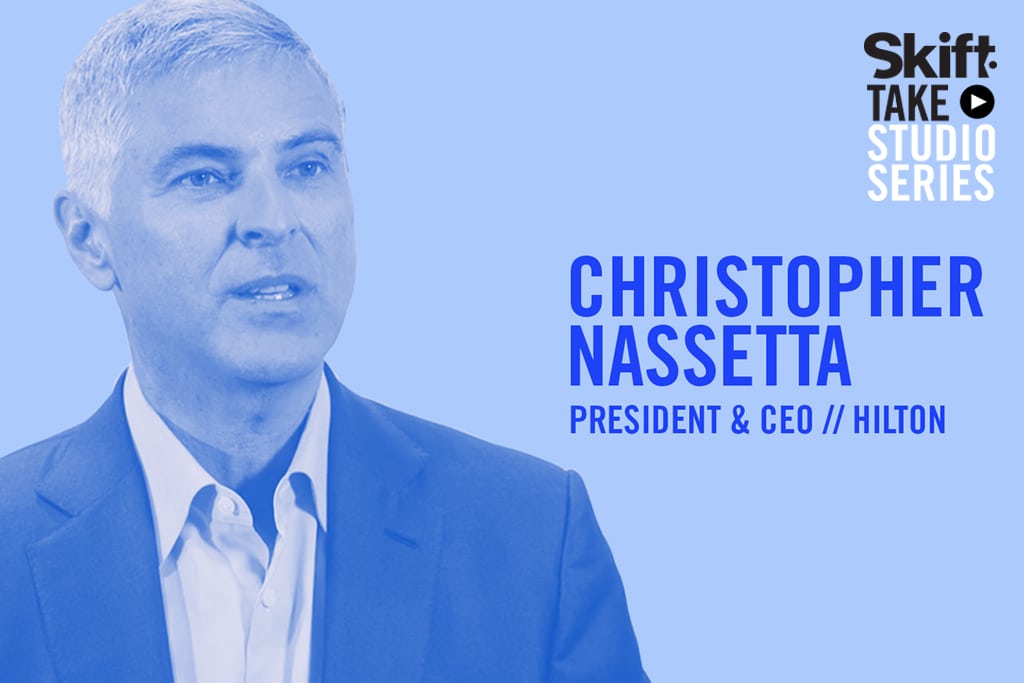
Hilton has been working for years to keep customers booking on its website instead of with online travel agencies. Don't expect that to stop anytime soon — or ever.
Customization, wellness, and technology are must-haves for any luxury hotel brand that wants to remain relevant — regardless of the age of their customers.
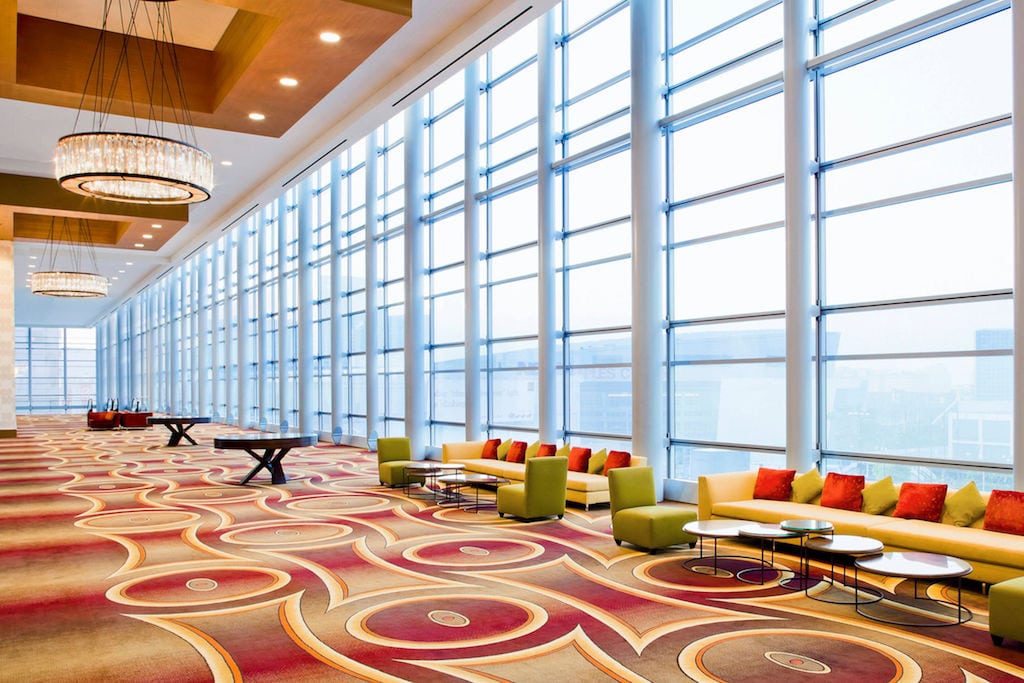
Luxury hospitality is no longer defined by marble bathrooms and turndown service. To compete and appeal to today's luxury guest, hotels have to be a lot smarter and more thoughtful than ever before.
Kenny replaces long-time Hilton executive Geraldine Calpin. The new CMO will have to enhance Hilton's direct-booking marketing efforts. And with artificial intelligence and other disruptive technologies influencing every CMO's agenda, there is also an opportunity for Kenny to leverage them to really personalize the guest experience.