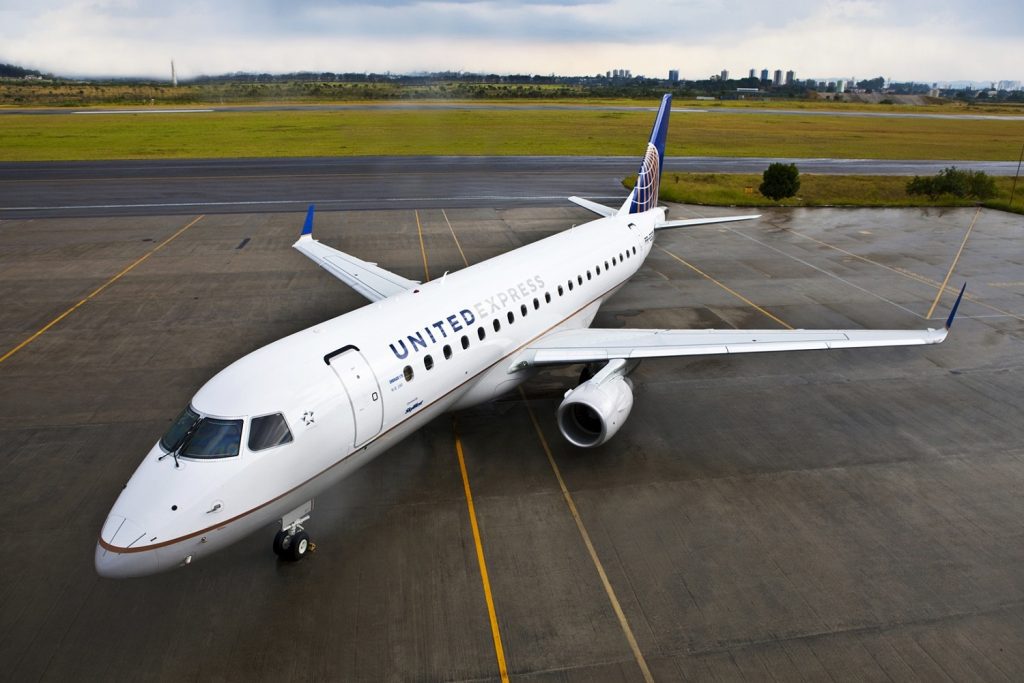
No doubt United President Scott Kirby has a high opinion of his talents. But he said United's Denver gamble would pay off. And by all accounts, it has.
Ctrip, or the company soon-to-be known as Trip.com Group Ltd., is banking on international growth as a key driver of its business, primarily in Asia. But short term, at least, difficulties in Hong Kong and Taiwan and with the White House are complicating that game plan.
Macau wants to diversify its China-heavy arrivals. Indonesia is a good bet, as many Indonesians already visit Hong Kong. But the timing of the campaign isn't good.
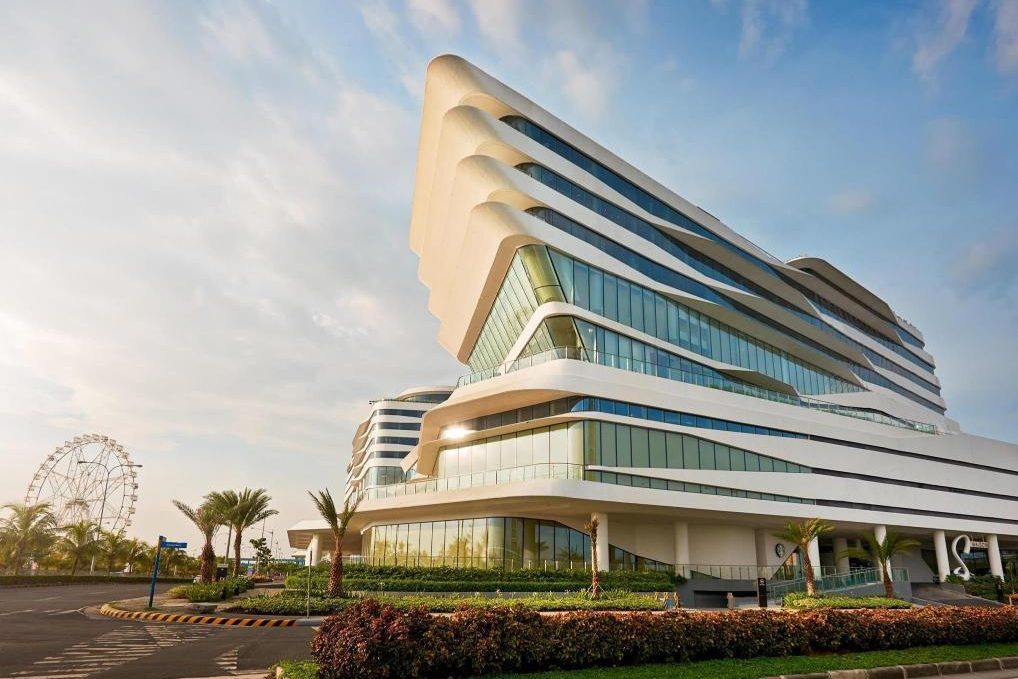
For many, the idea that a few families can control a whole industry is unthinkable, unfair, actually galling. In Philippine tourism, it’s as entrenched as the sight of a jeepney — no one thinks anything of it at all. That has to change, although it won’t be anytime soon.
Current conflicts in Northeast Asia do not stop people from traveling to and from the region, but they do redirect tourism flows, benefiting some destinations and hurting others.
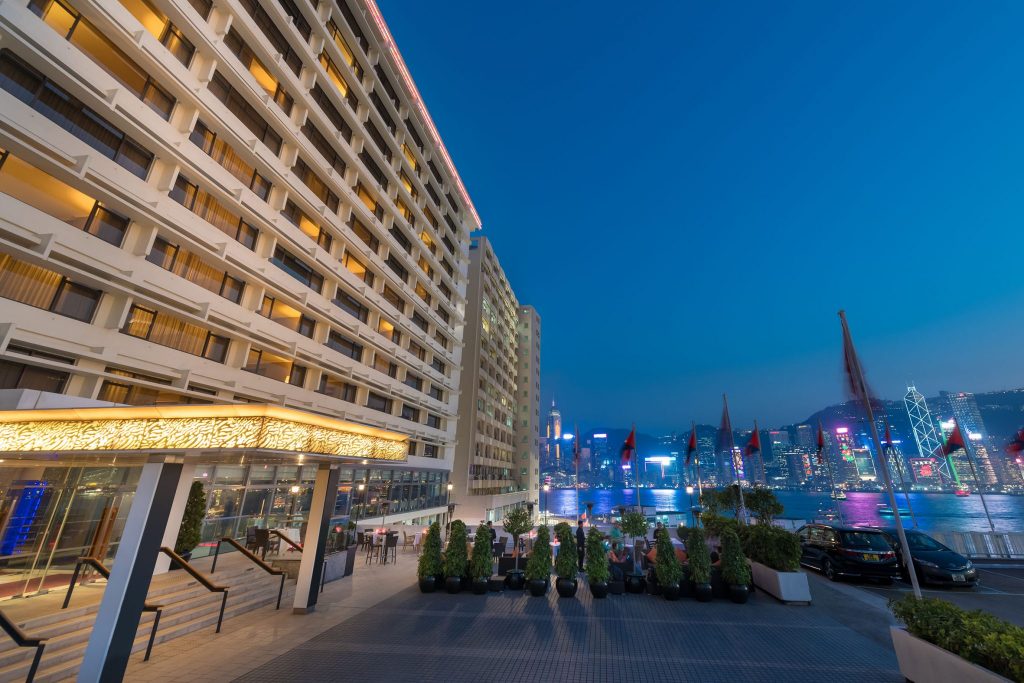
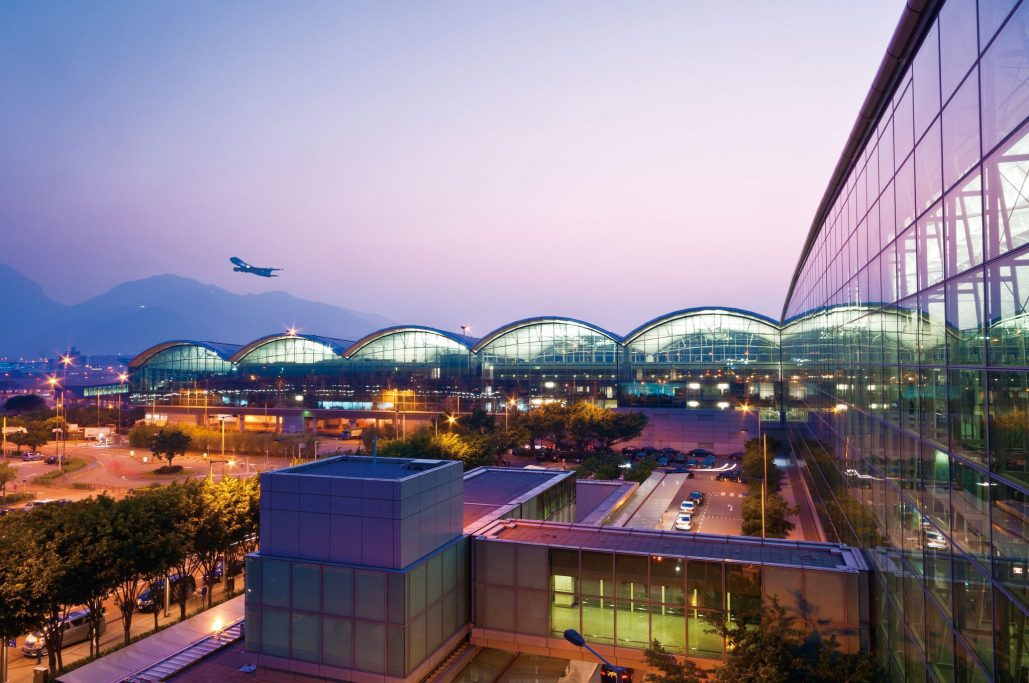
As weeks of protests escalate in Hong Kong and Beijing weighs its options, it’s not hard to imagine Hong Kong’s successful tourism industry becoming a shell of its former self. Though the conventional wisdom from region insiders is that Hong Kong will prevail, the form that it will take is anyone’s guess.
The rise of cities and the growth of the global creative class are two major factors that will heavily influence hospitality design in the coming years. Those brands that take the boldest steps to embrace these sophisticated consumers are likely to be the most successful in capturing their valuable attention.