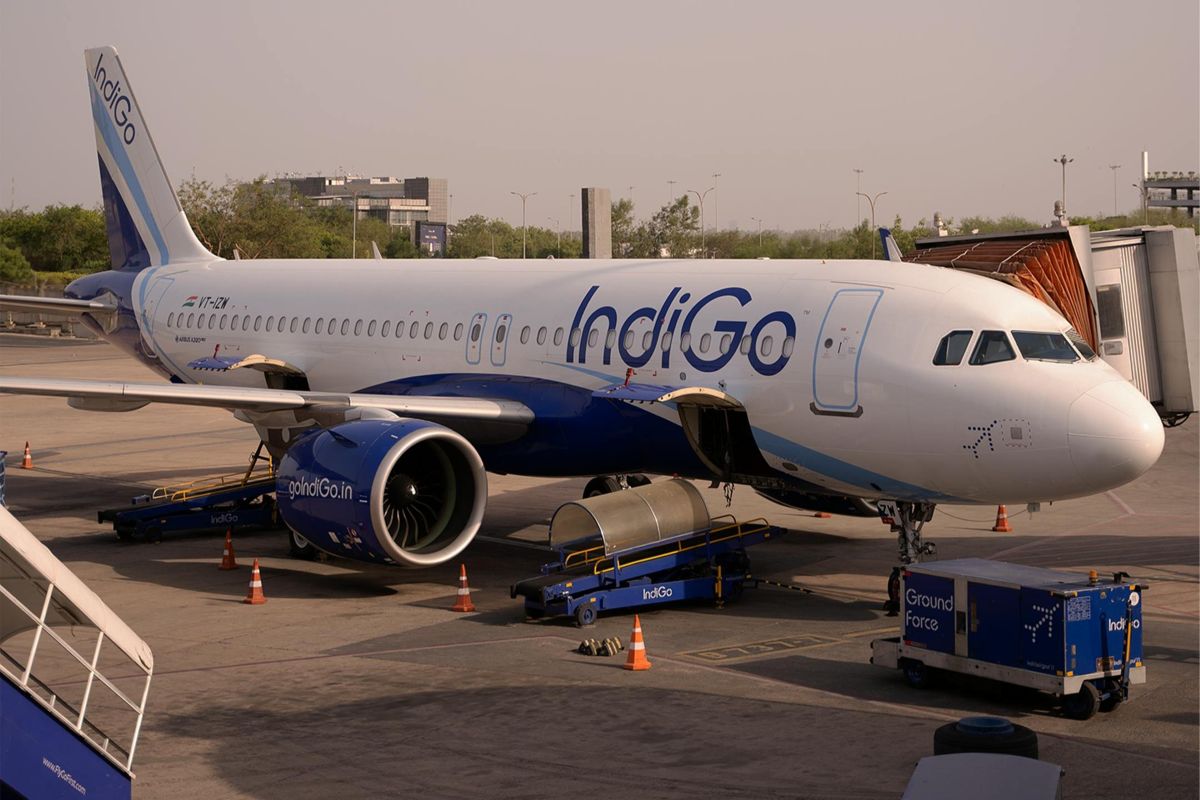
The dominant player of the world’s third-largest aviation market was reminded this week that “Hope is not a Strategy” as it witnessed widespread cancellations.
Rosastays gives United Hospitality Management a foothold in the part of India’s hotel market that’s growing fastest. Sometimes the small stuff is the strategy.
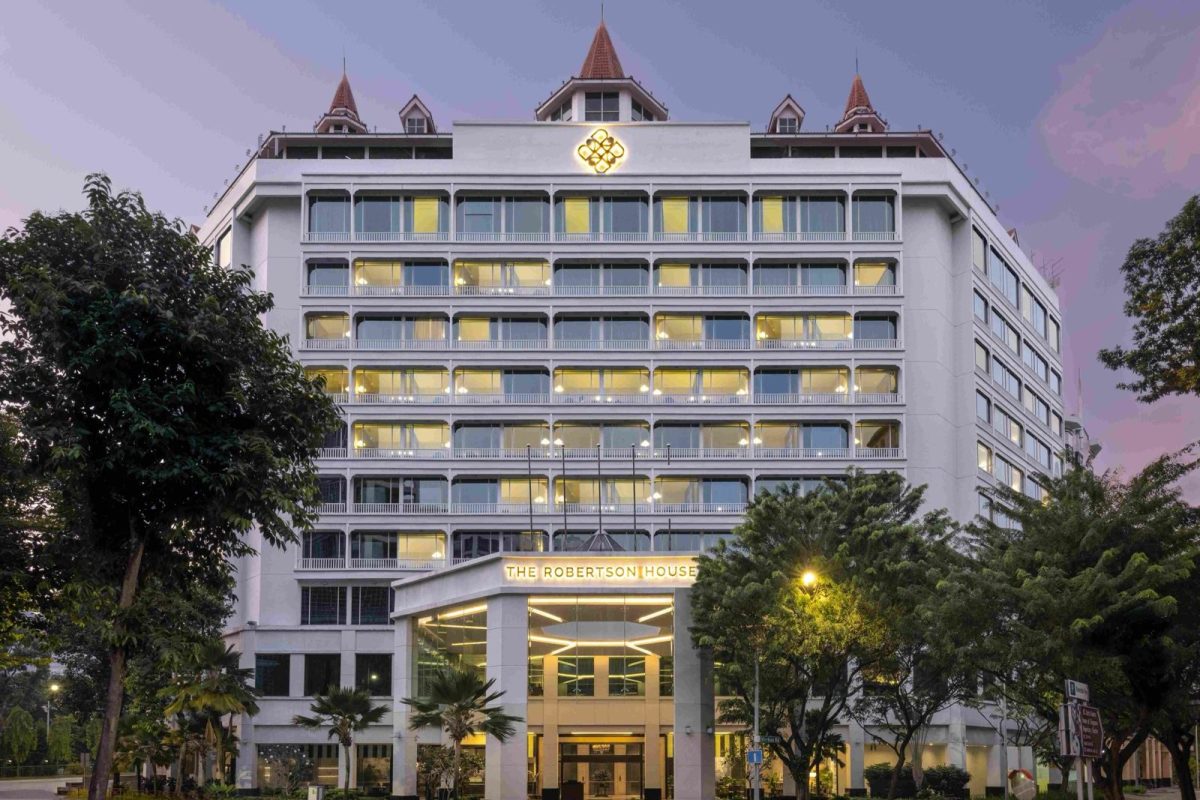
Radisson Hotel Group has set a target of 500 properties in India by 2030, more than double of where it stands today, but it believes it can realistically reach that goal.
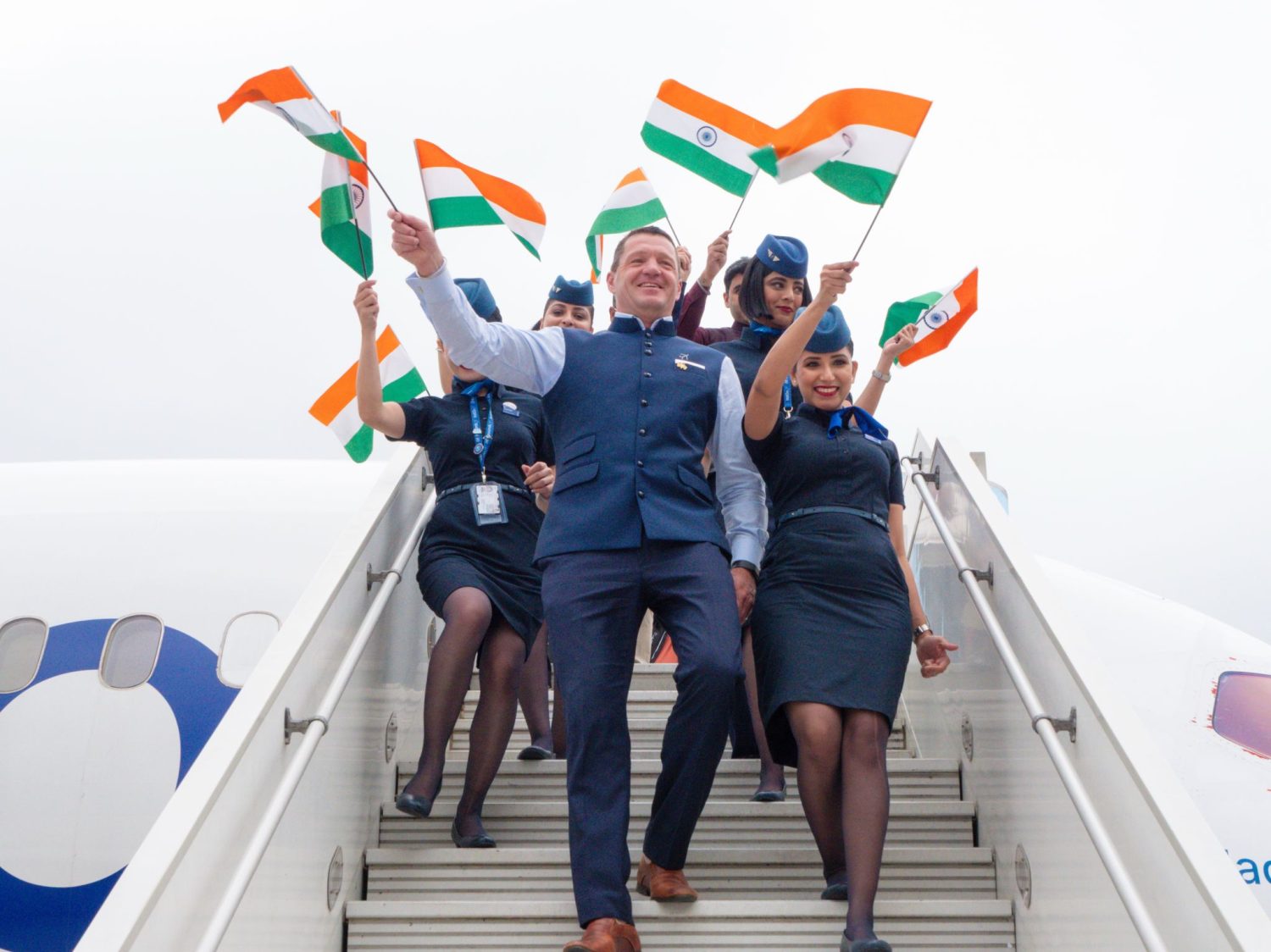
While IndiGo expects normal operations later this week, the disruption highlighted how concentrated India’s domestic aviation has become. Investors and regulators may have to rethink capacity diversification as traffic keeps accelerating.
IndiGo’s disruption isn’t just about airlines operations, it’s a stress test of India’s whole aviation stack: airport and airspace capacity, ATC reliability, and the industry’s ability to absorb new rules without breaking schedules.
Travel's role in India's global spending is changing, now accounting for a lion's share. What started as post-pandemic revenge travel has now stabilized into a trend.
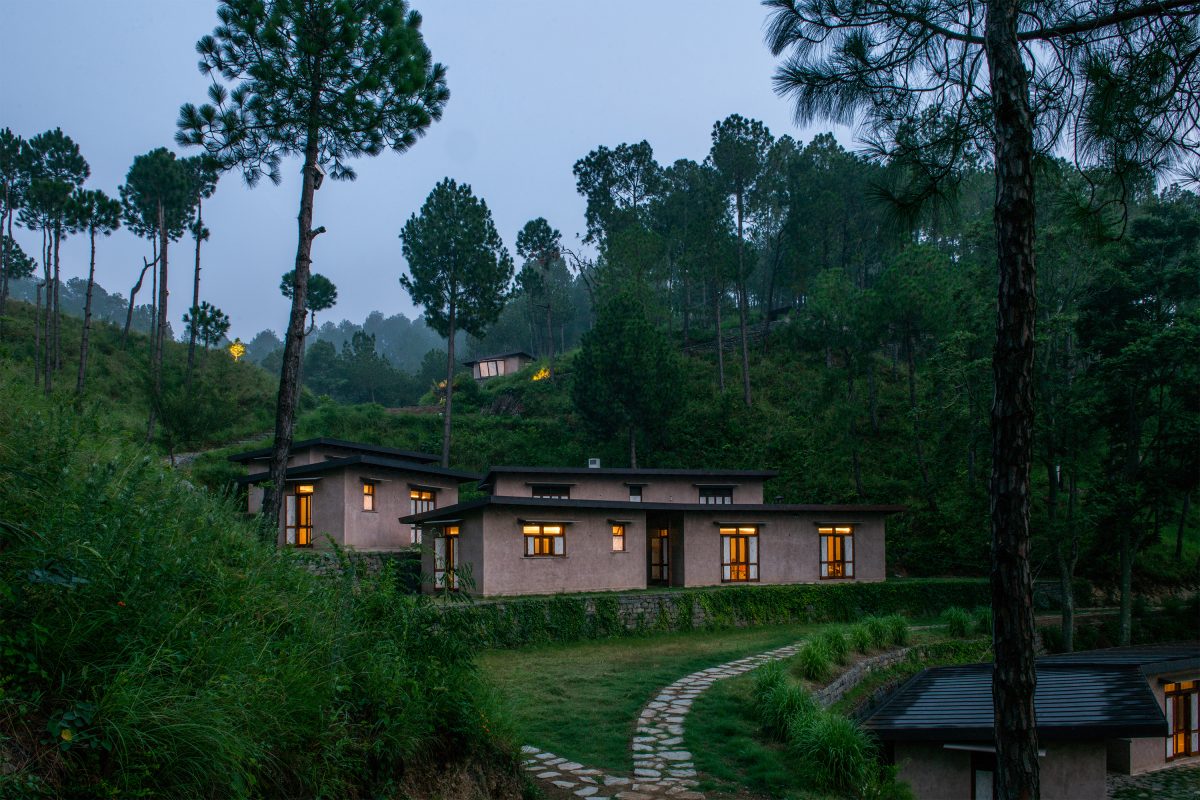
Small Luxury Hotels is betting on India’s hinterland - bold, given even the tourism ministry is looking to crack this. But if anyone can send global elites road-tripping through Himachal, it’s those who built a business on charming tiny hotels in the middle of nowhere.
Ascott is doing what global chains often preach but rarely practice: sticking to markets it actually understands. The company’s Asia-first strategy isn’t bold so much as obvious.
Indian travel players are going global with their intimate knowledge of this segment of travelers. The shift is no longer a future bet, it's underway and much needed.