Dusit Hotels and Resort spent its time away from India to realign its hospitality ethos with its brand portfolio. Now, it is counting on its "old school hospitality" mantra to stand out in India.
Booking.com is looking at India for its growing outbound potential and spending power, even as it adapts to the last-minute booking behavior of these travelers.
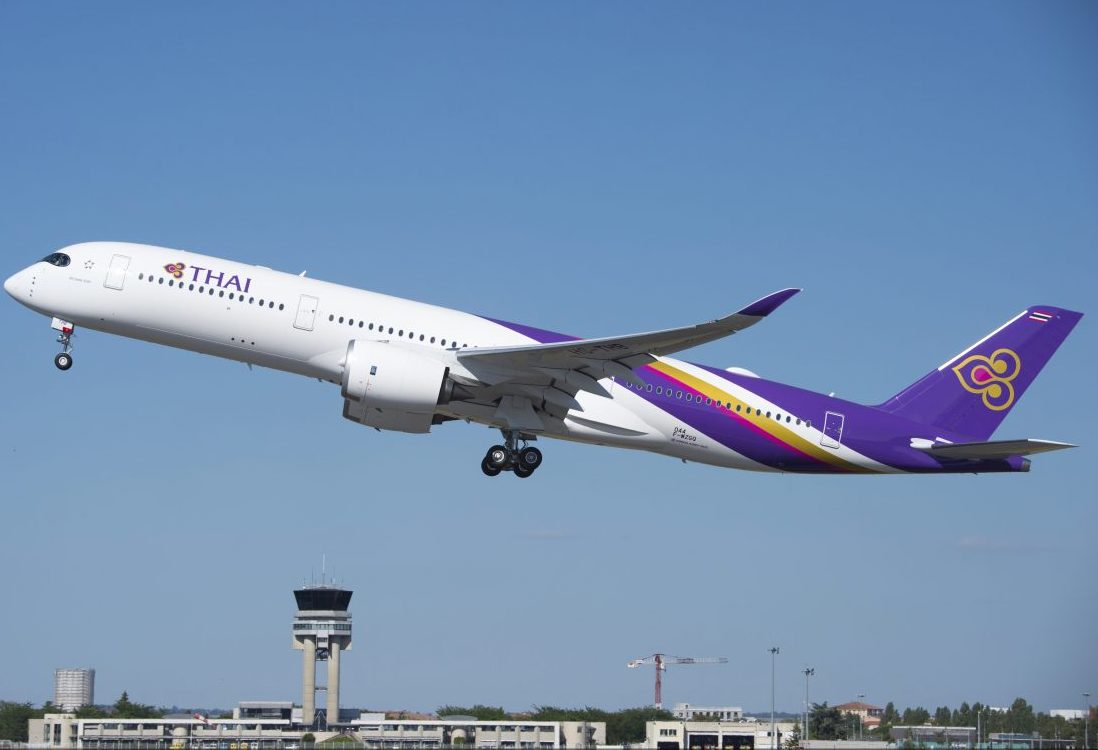
Asia-Pacific's airlines haven’t had it easy over the past five years. However, the region’s carriers are fast re-establishing themselves as powerhouses of the global aviation industry.
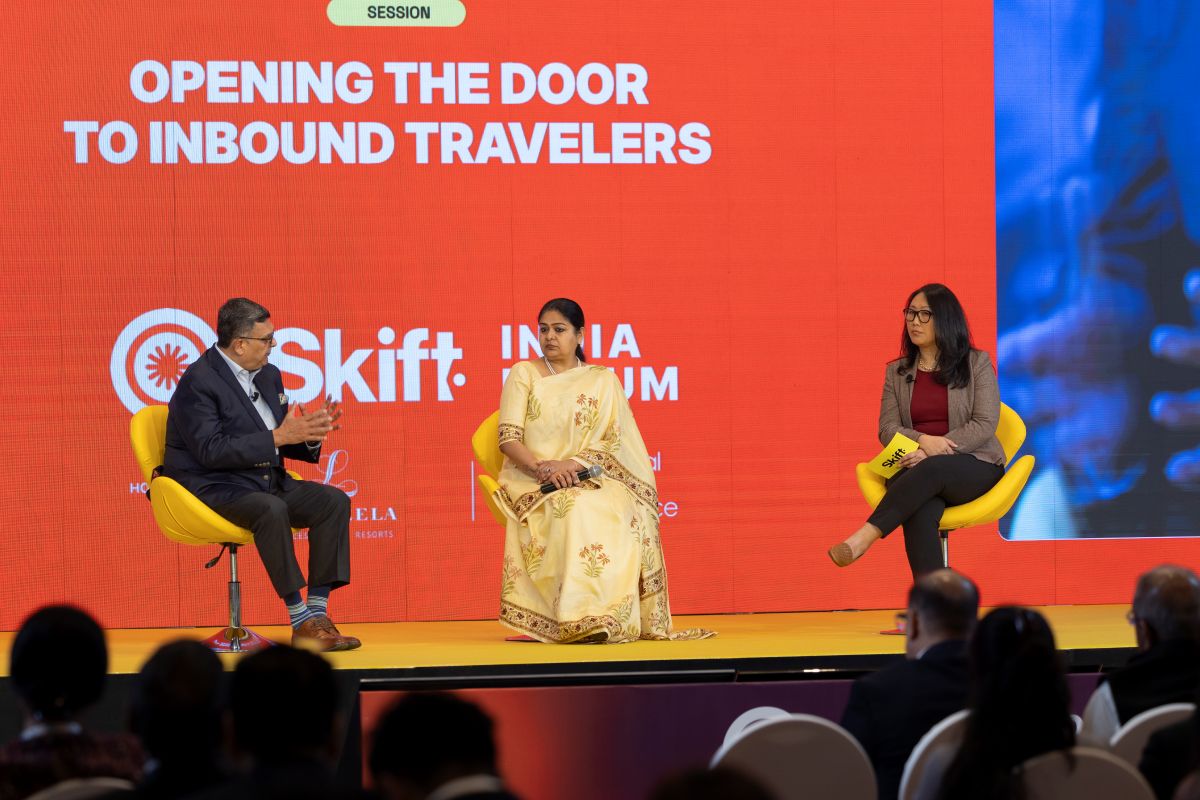
India's inbound faces several struggles, some of which include the perception of lack of women safety and health hazard due to air pollution. Ground-level implementation of solutions to these problems is the first step to attract international tourists.
As India's outbound tourism increases, Singapore is looking to increase its share. However, it has now trained its eyes on high-yield travelers as well with its new focused partnership.
India’s luxury hospitality boom presents huge global potential. In this talk, the CEOs of Global Hotel Alliance and The Leela Palaces explain why hotels must deliver hyper-personalized, immersive experiences and leverage strategic alliances to build lasting loyalty and cut costly dependence on OTAs.
As Ibis India is on its way to meet its initial pipeline target, it is reluctant to move away from its micro markets-focused strategy. The fact that it does not require large land parcels for hotels lends further edge for expansion in land-strapped metros and Tier-1 markets.
With a $30 trillion economy goal by 2047, India needs more than just tourists, it needs high-value travelers, and that starts with a bold, well-funded tourism push.