2025 may have been marred by several uncertainties when it comes to travel. But it also brought together two Asian travel powerhouses restoring direct flight connectivity after 5 years.
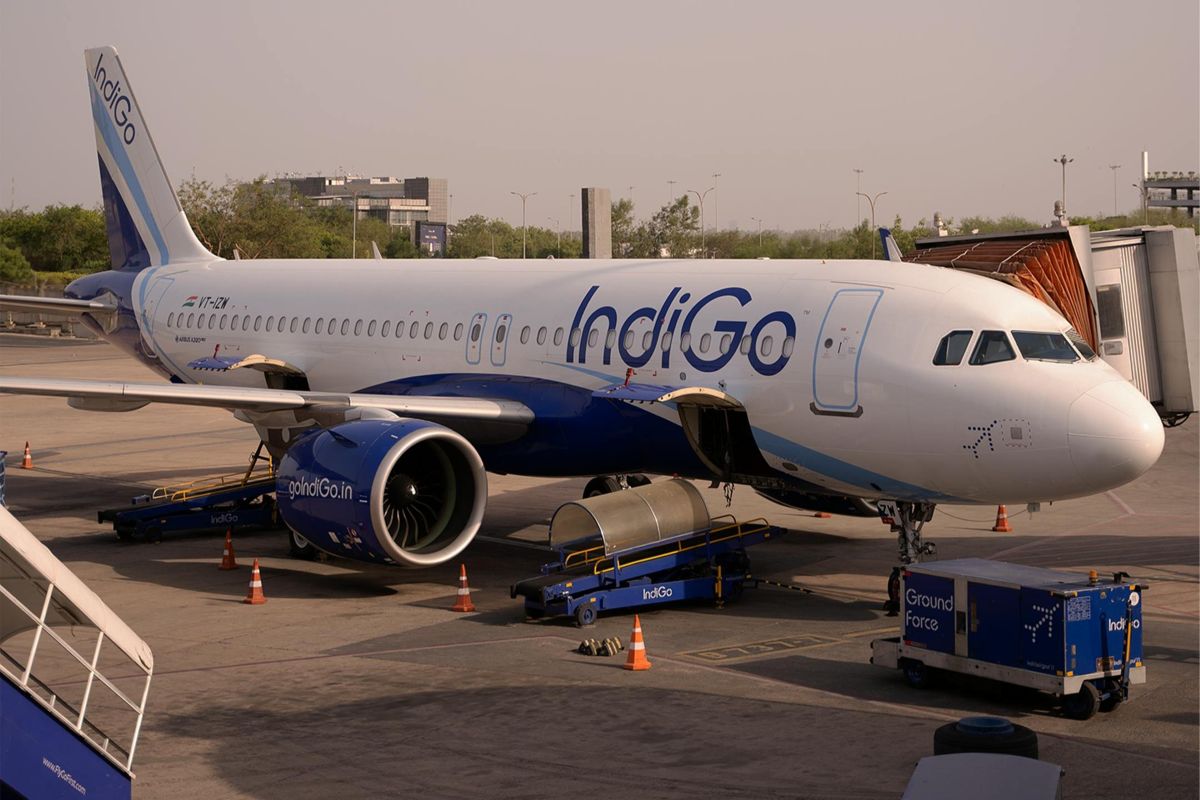
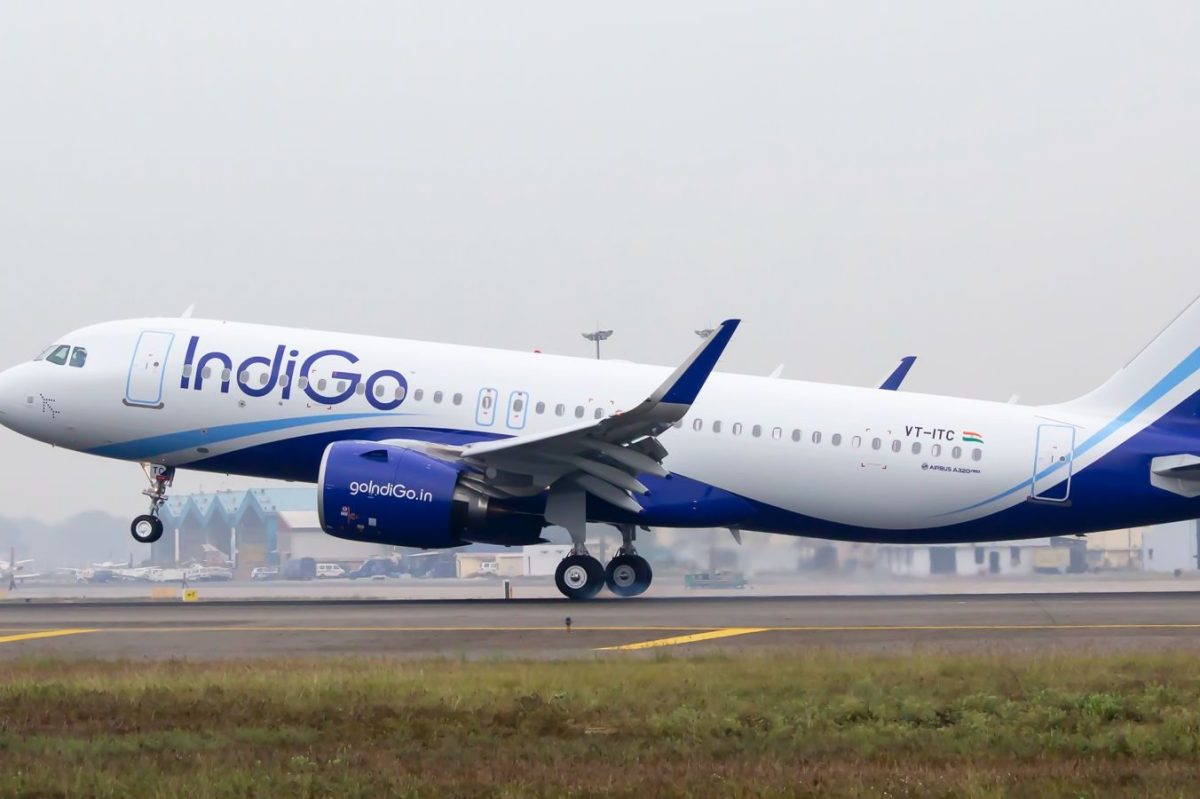
The dominant player of the world’s third-largest aviation market was reminded this week that “Hope is not a Strategy” as it witnessed widespread cancellations.
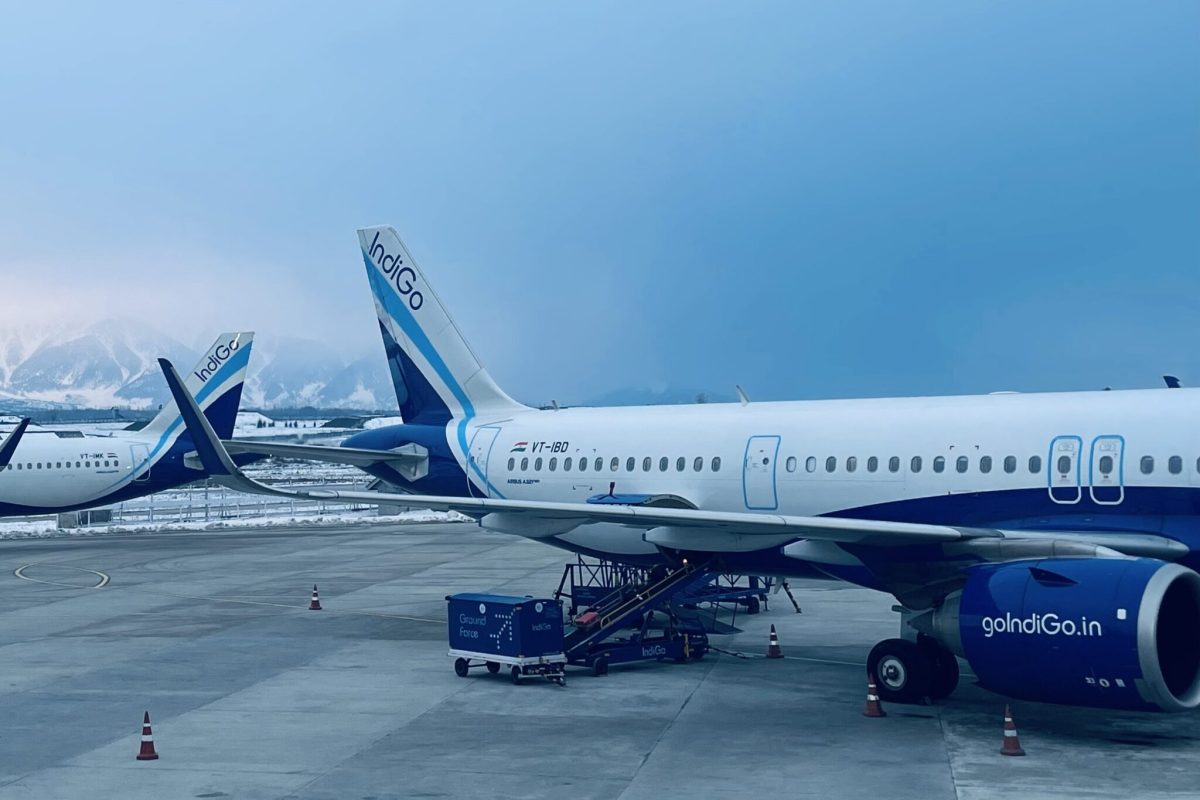
While IndiGo expects normal operations later this week, the disruption highlighted how concentrated India’s domestic aviation has become. Investors and regulators may have to rethink capacity diversification as traffic keeps accelerating.
IndiGo’s disruption isn’t just about airlines operations, it’s a stress test of India’s whole aviation stack: airport and airspace capacity, ATC reliability, and the industry’s ability to absorb new rules without breaking schedules.
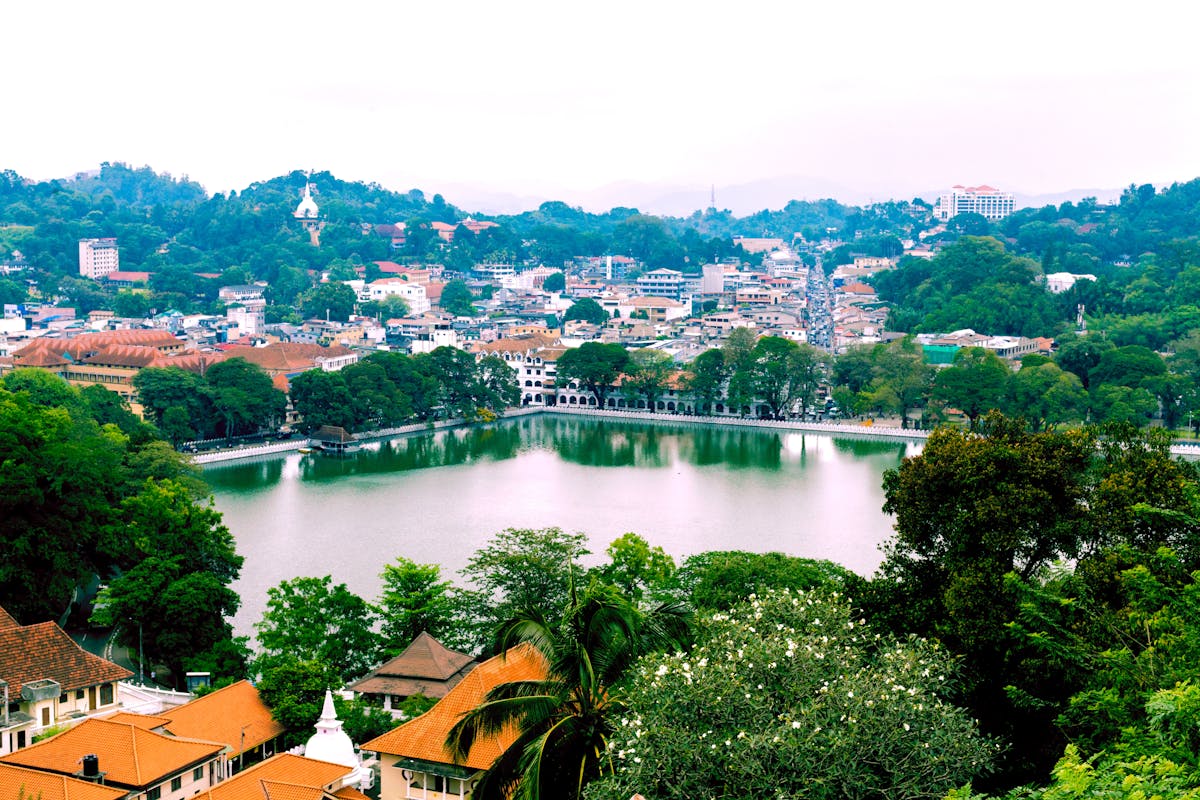
What looked like Sri Lanka’s best shot at getting closer to its 2018 tourism peak may now turn into a softer December. But the government’s quick push shows it’s trying to keep a weather emergency from snowballing into a full-blown tourism setback.
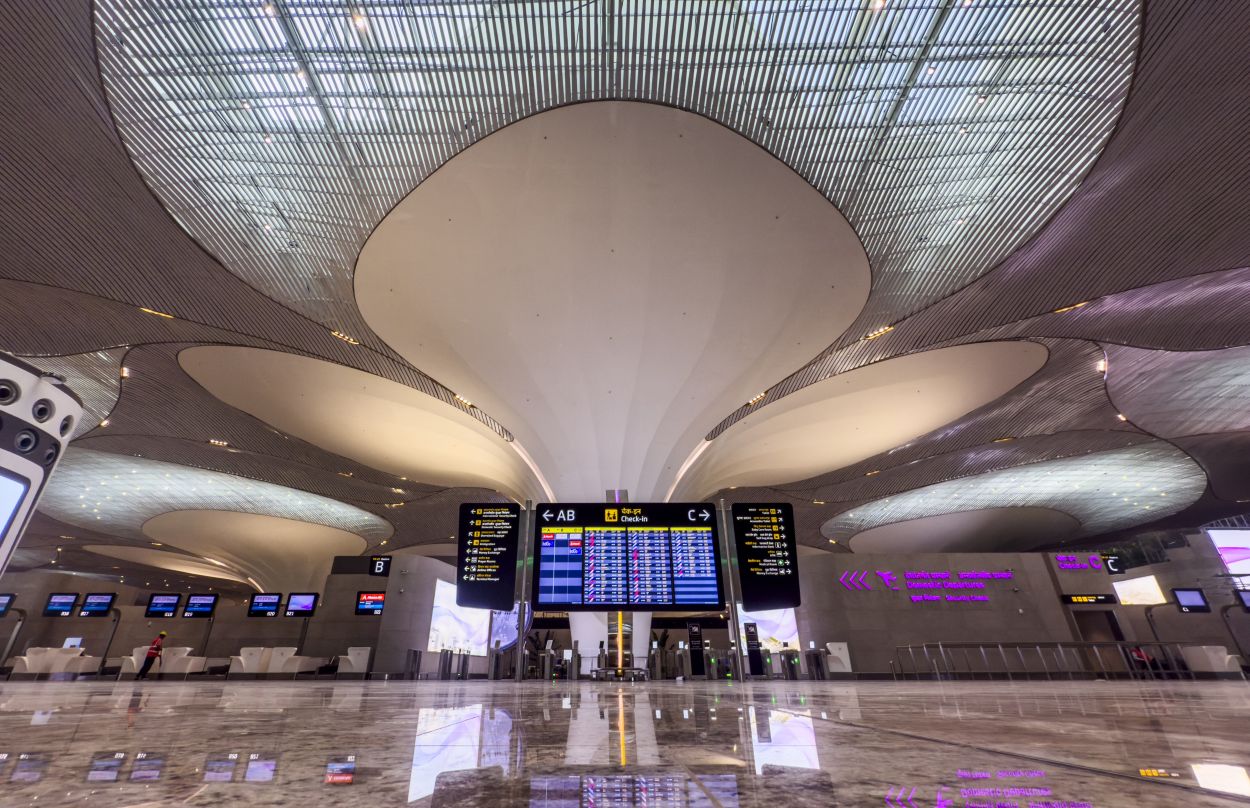
As India accelerates toward becoming the world’s third-largest aviation market, the race to build new airports – and attract private capital – is reshaping how its cities connect to the world.
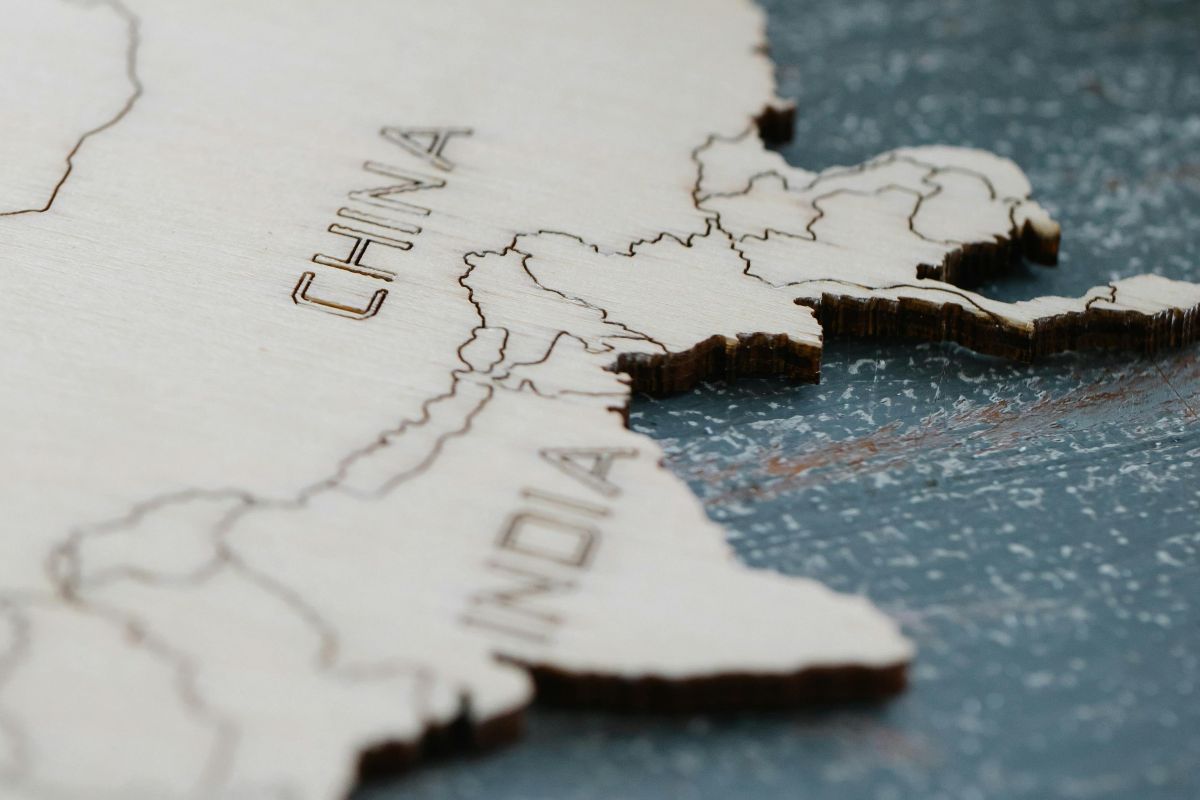
After five years of frozen routes, IndiGo’s return to China signals progress in political and business ties, the real test will be whether travelers follow.