Inflation can be a good thing for travel sectors able to play the rate game. But volume eventually has to catch up and play a part in the rebound. Otherwise, you run the risk of driving customers, no matter how desperate they are to travel, to just say no to high costs.
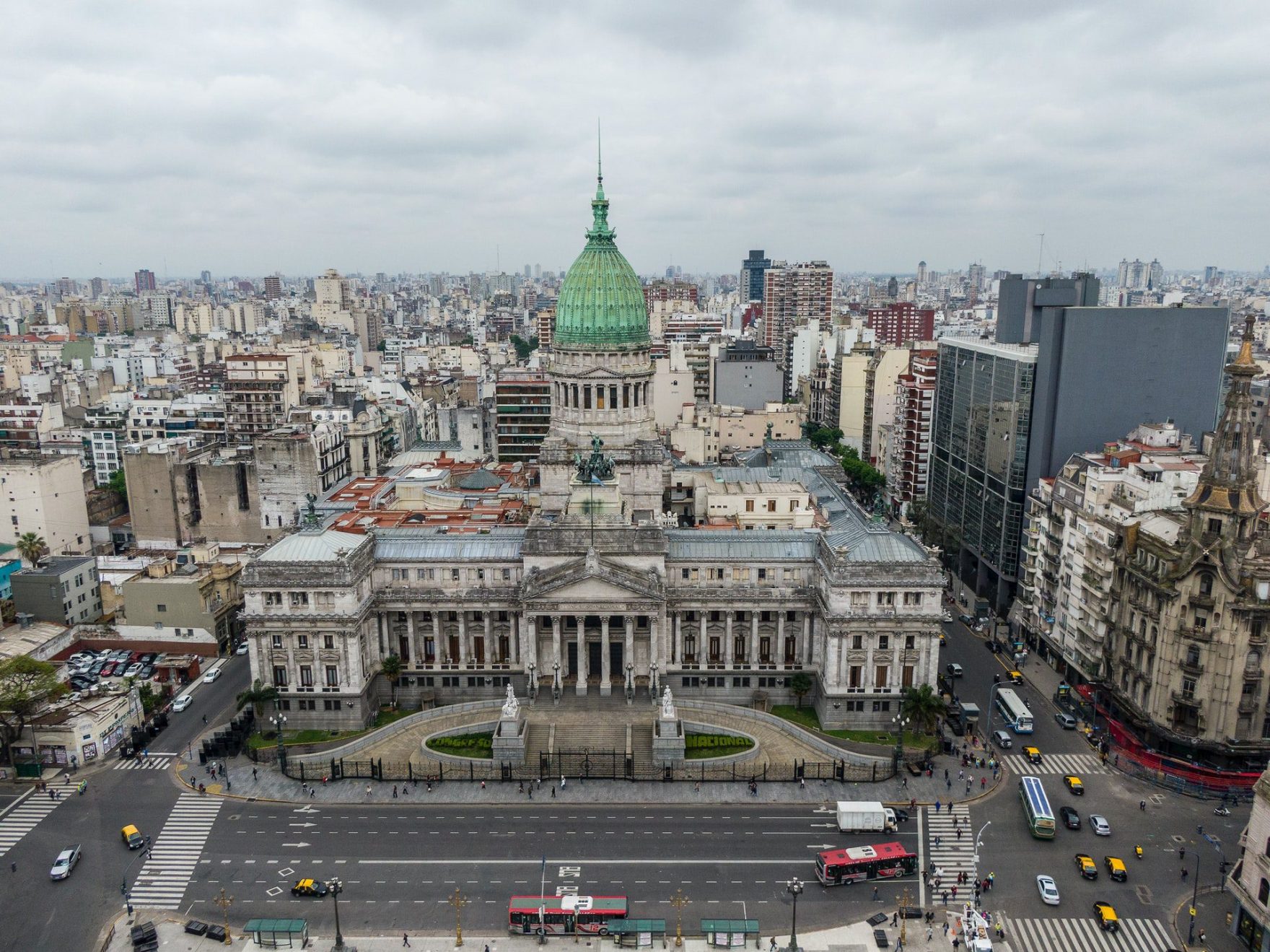
Tourism usually pushes up the inflation rate for the summer months in Argentina. The local government got the main businesses in the sector to freeze prices to avoid that — and to have proper development of the busiest season of the year. What are the implications?
Inflation for travel sectors like hotels isn't a cause for concern at the moment, as it continues to signal demand is returning from record-low performance seen in the early months of the pandemic.
Buy-now-pay-later schemes help people get around soaring inflation, but they're now being banned for foreign travel as the country enters negotiations to pay off some of its debt. It's not good news for travel agencies, or pent-up travelers.
The U.S. has powered through the pandemic on a blend of welfare Zoloft and equity market Red Bull. The mix has led to inflationary side effects. But travel companies are happy they're regaining some of their pricing power.
Many people in the U.S. have suddenly become worried about inflation. But experts and executives say the latest price hikes are mostly "good" inflation ... at least as far as the travel sector is concerned.
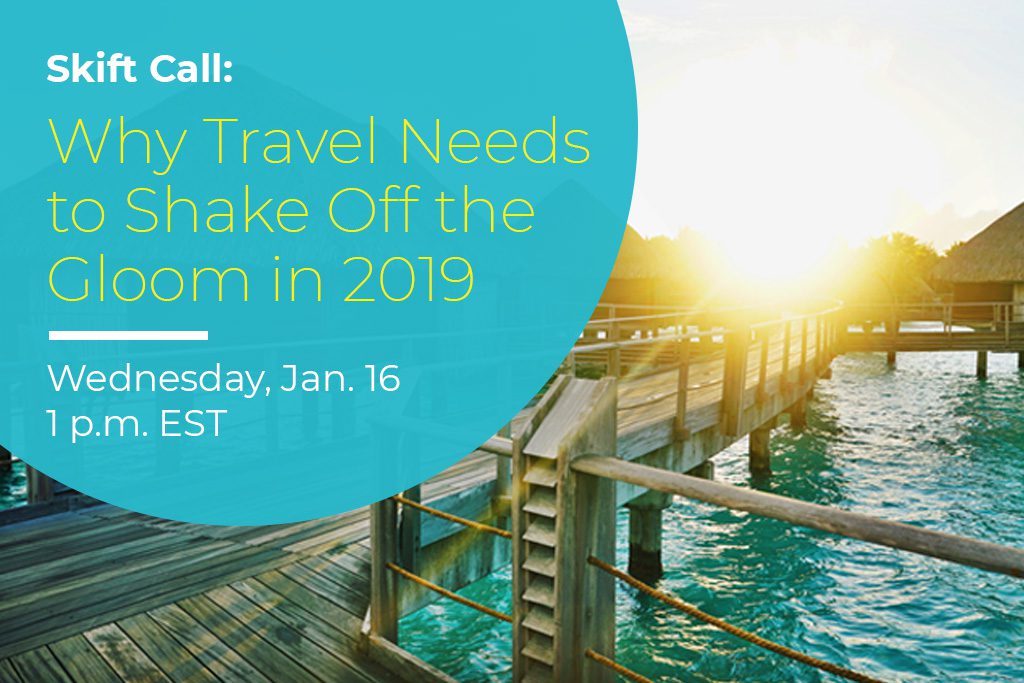
You're hearing a lot of doomsday forecasts for 2019. Global recession. Stock market rout. Runaway inflation. We're here to give you the flip side for how travel this year could be just fine. Listen to our experts on Wednesday, January 16 at 1 p.m. EST on a Skift Call. Please join us for this all-important discussion.
The ability to change hotel room rates will give hoteliers an edge in making sure they stay profitable, even if labor costs rise, and even if we might be headed for another economic downturn as some financial analysts suspect.