In Skift's top stories this week, major U.S. airlines didn't hesitate to lift mask requirements, travel numbers in Japan begin steadily rising, and a hotel in South Carolina offers insight on how to create a disability inclusive workforce.
Investor appetite, rather than remote employees themselves, will be the driving force that determines where work gets done in the future — including shopping malls.
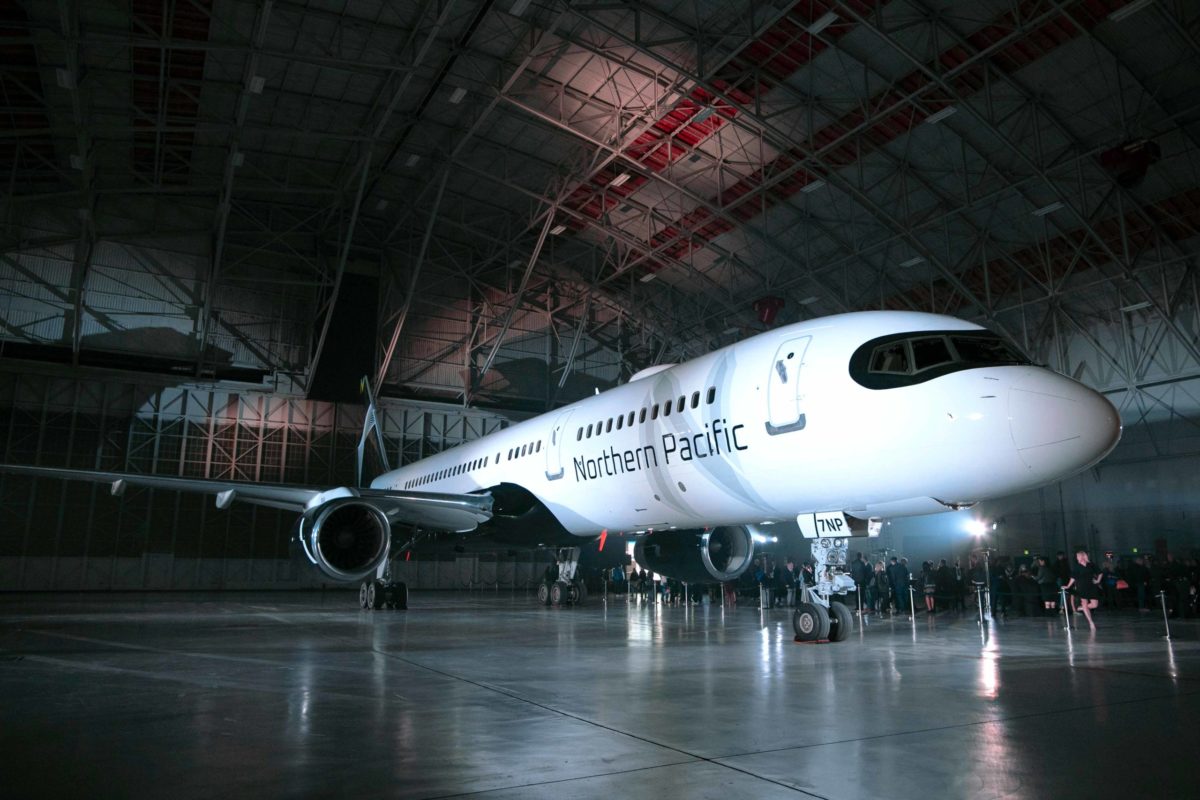
Why would anyone start an airline now, as the airline industry recovers from its worst crisis in a century, to fly to Asia, a region where travel is expected to remain depressed until 2024? Northern Pacific Airways, a startup based in Anchorage, believes now is the best time, so it can get established before competition heats back up.
In Skift's top stories this week, tour operators prepare for Japan to reopen to tourists this year, short-term rental properties in the U.S. become more expensive, and Booking and Expedia develop Super Bowl ads.
It's a bit presumptuous for tour operators to believe Japan will soon reopen in time for the popular spring season considering that the country doesn't seem to be in any hurry to welcome more foreign visitors despite increasing pressure to do so.
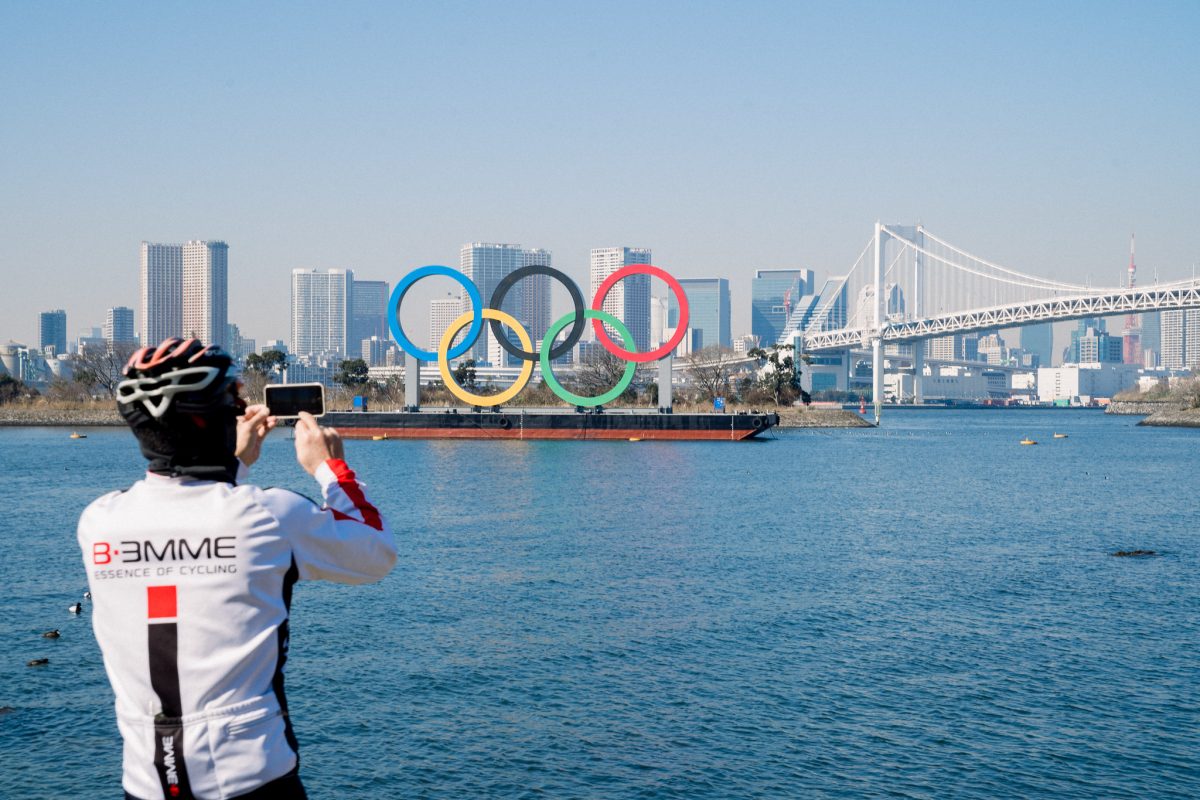
Hosting a spectator-free Olympic Games in a pandemic and taking a hit of over $30 billion is about as historic as it gets. But Japan tourism's handling of it shone a light on the ways destinations are adapting, as well as the factors that will impact global tourism's future.
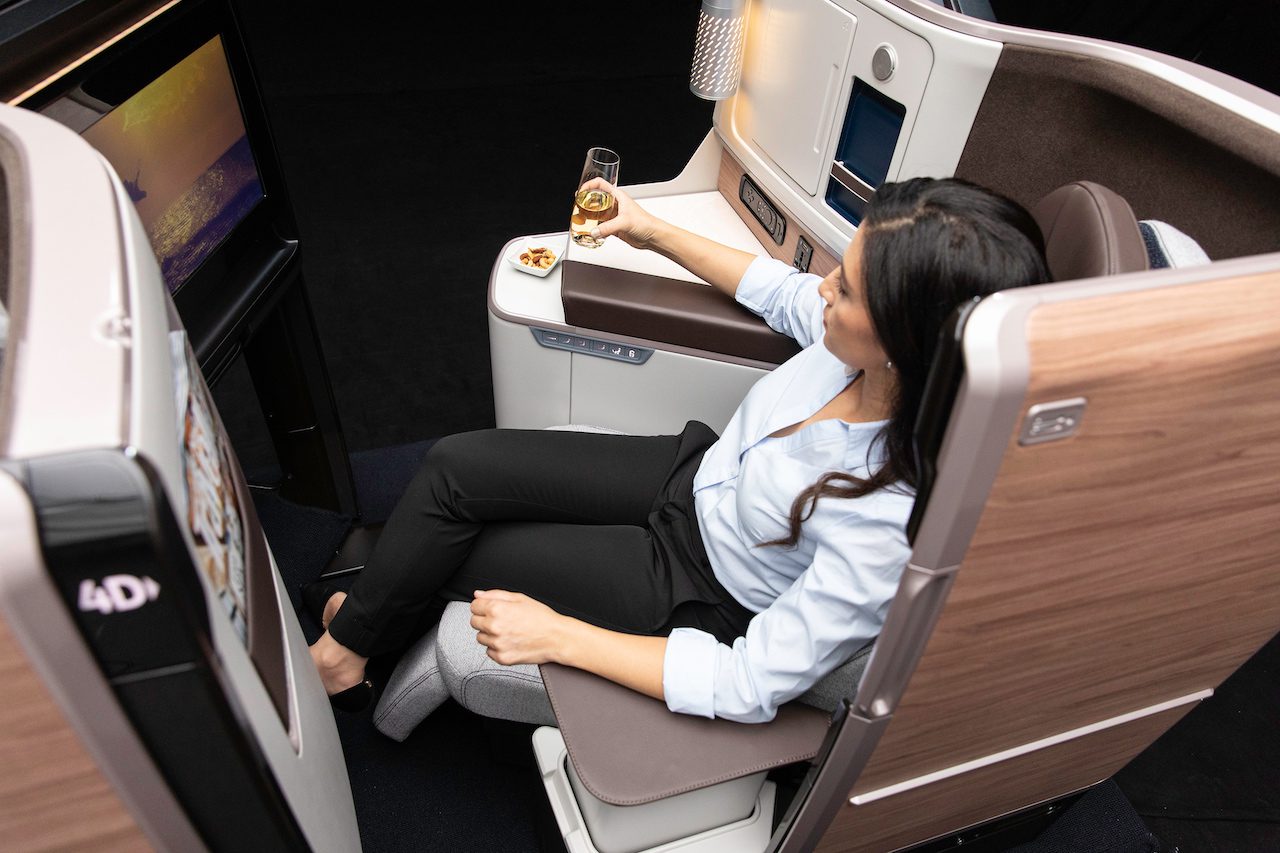
Hawaiian Airlines is late to the lie-flat seat game, but its new Boeing 787s will have 34 beds in the front of the aircraft. Why? The airline thinks leisure travelers, especially from Japan, will pony up when travel restrictions ease and they resume vacations to Hawaii again.