Don’t expect an immediate return to 2019 levels of business travel traffic despite the hype in the buildup to the U.S. reopening borders on November 8.
Hotel executives presented China as a definitive, massive growth opportunity to shareholders during the pandemic. But volatility in the development world as well as tough government oversight mean CEOs at companies like Hilton, Accor, and Wyndham need to find a new way to show strength.
Increased oversight from Chinese regulators in Macau threatens a massive financial hit to U.S. gaming resort operators. But don’t expect this to lead to a mass exodus to other gaming markets in Asia.
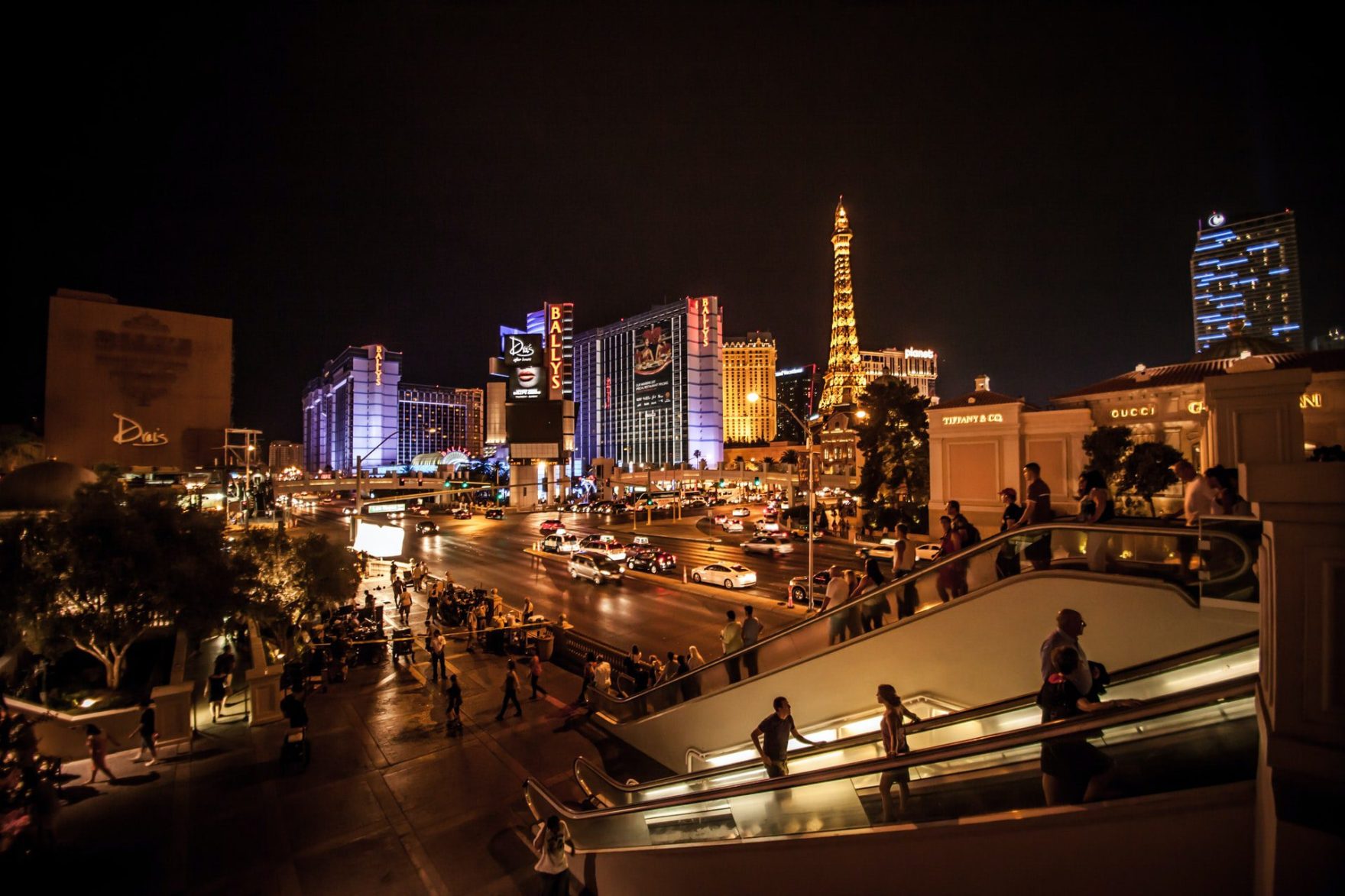
The city is in tune with the pandemic protocol: after the tourists, next come the business travelers. Las Vegas is edging towards recovery, but Delta variant concerns may spoil the party yet.
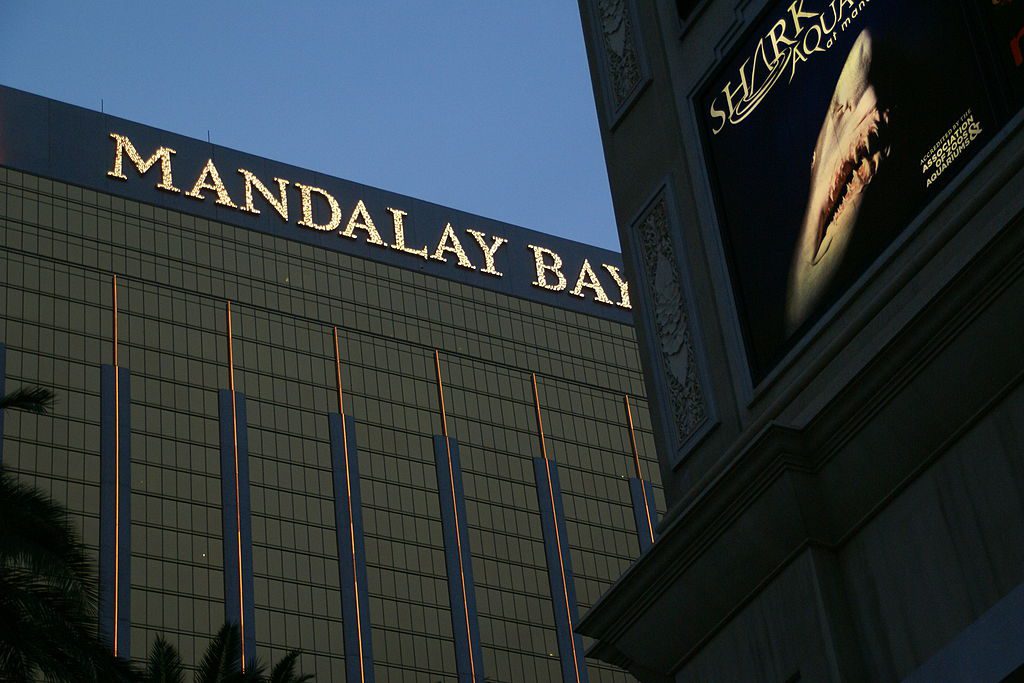
Don't call it leaving Las Vegas so much as MGM Resorts taking advantage of inflated real estate prices to get into your pocket, by way of the increasingly lucrative online gaming business.
If Accor can go from billion-dollar losses to profitability in a matter of months, Marriott shareholders should expect plenty of financial gains and optimism on Tuesday's earnings call.
Blackstone wants to capitalize on the upside of a travel recovery and invest in leisure and hospitality assets, but who doesn’t? There’s a ton of capital waiting on the sidelines competing for potential deals, which may not be that much of an opportunity after prices go up in bidding wars.
If online gaming is the future of casinos, MGM Resorts' asset-light strategy in Las Vegas is only the beginning of a wave of resort sales to pump resources into digital gambling halls.
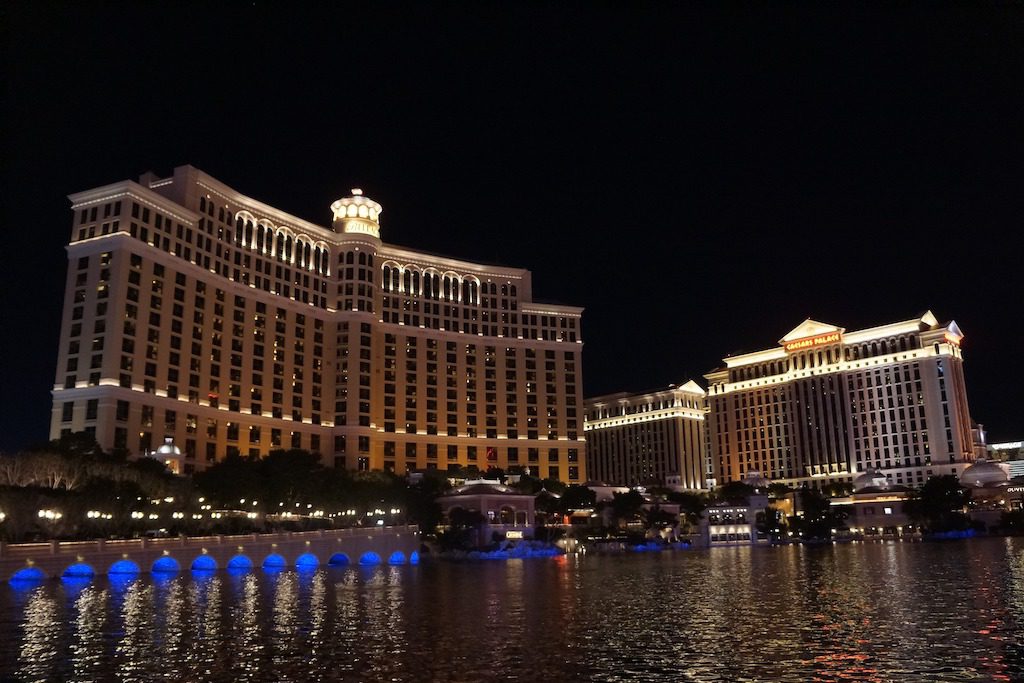
Hilton’s rapid growth in Sin City signals the company sees a full travel rebound for Las Vegas, which greatly suffered from a year of no major events during the pandemic. But developing a successful Las Vegas mega-resort doesn't come cheap: Celine Dion wouldn't leave Caesars Palace for pennies.