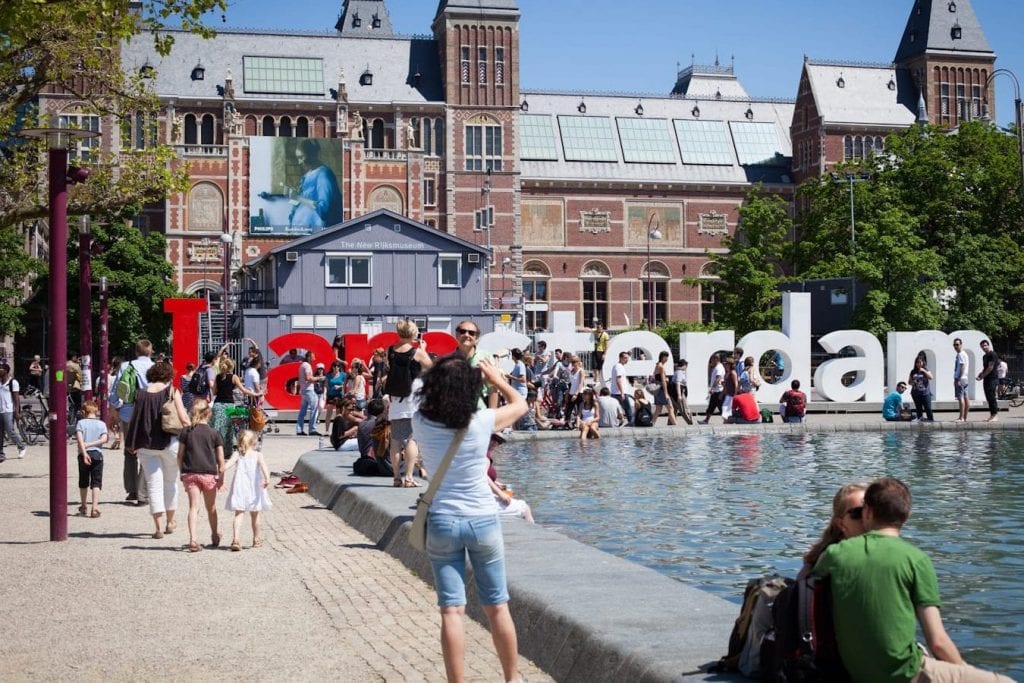

For decades, destination managers were able to ignore the negative effects of tourism. Now, the age of overtourism calls for a more robust approach to plan for the future.
Lake Elsinore, California wanted tourists — but not the kind that gridlocked its streets and trampled its mountainsides. The city is trying to learn from intense short-term overtourism to prepare for a more manageable future.
Finding ways to insulate destinations from the adverse effects of overtourism is a daunting challenge. Global groups are starting to do the hard work of devising methods to better manage destinations.
While everyone has heard horror stories of overcrowded destinations, hostile locals, and lining up for hours for a glimpse of a tourist attraction, travel advisors are still faced with requests to visit the world’s most popular places. They have a dilemma: Do they make the booking or risk losing the business by recommending alternatives?
Skift has covered every angle of the overtourism debate for the past three years and the more we’ve reported on destinations at capacity, the more we’ve realized those places are outnumbered by many others that understand tourism is about quality rather than quantity.
Europe is so popular as a tourist destination that it doesn't really need any help growing numbers. A move to concentrate on value is a sensible approach and one that will hopefully see the benefits spread to lesser-known destinations.
Tour operators addressing overtourism have essentially gone mainstream in recent years as more travelers have demanded alternatives to crowded city centers. In 2019, we will likely see more companies step in to do the right thing.
New data show that the global wellness industry is on the rise: It’s now worth $4.2 trillion. Smart companies are innovating to stay ahead, exhibited by the Lululemon and Strava fitness-meets-digital partnership and Equinox’s move into luxury wellness tourism.
Given how attitudes over tourism have been boiling over across Europe's hotspots in recent years, some of the findings in this report, such as residents not wanting tourism numbers to be capped, are very surprising.
Words as a means to define problems and trigger solutions are important. The label overtourism crystalizes a problem and serves as a call to action. We'd agree that a lack of capacity management is a big part of the problem, but the latter characterization hardly spurs the urgency the issue requires.