Oneworld might have a shiny new brand identity but it should probably spend its time now trying to smooth things over with one of its key airline members.
Qatar's departure from the Oneworld alliance could translate into some trickier international flights and connections for travelers on American, British and a dozen other airlines.
Remember when the Trump administration suggested in May it had solved the ongoing dispute between U.S. and Gulf carriers? Hah. American Airlines CEO Doug Parker is already complaining one competitor is ignoring the spirit of the agreement.
We're not sure Europe needs another airline with global ambitions. But more capacity almost always means cheaper fares, so passengers should enjoy watching these competitive dynamics play out. Perhaps Air Italy will become Italy's national carrier if Alitalia stops flying. Or maybe they'll both go bust.
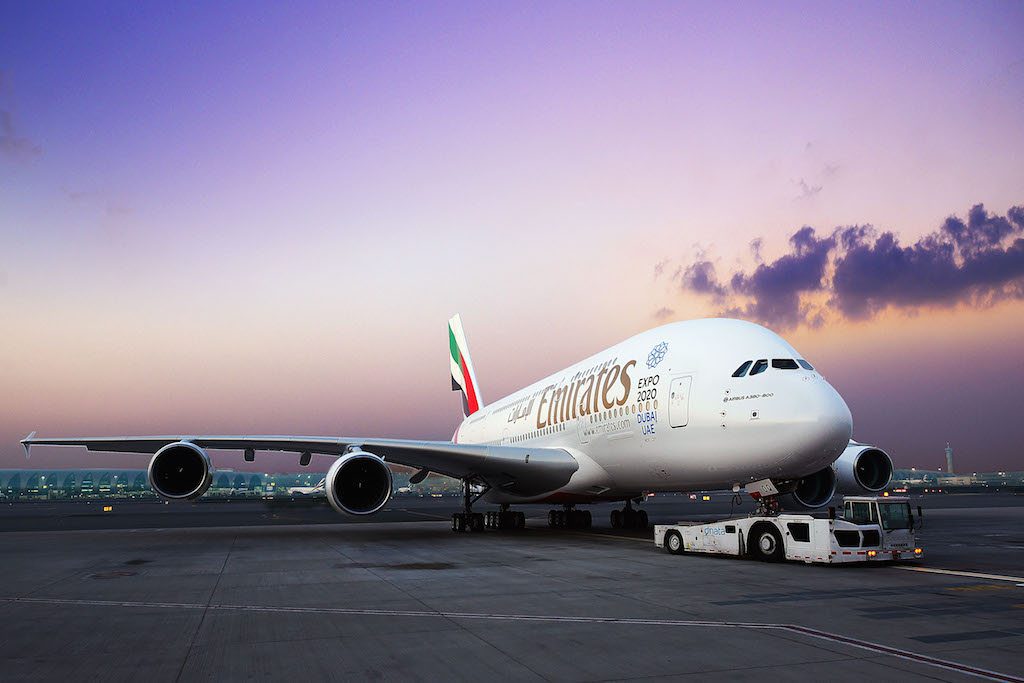
The big three Gulf carriers are still very important, but because of a variety of reasons, they're no longer as scary as they were a few years ago. Still, this is good news for U.S. airlines.
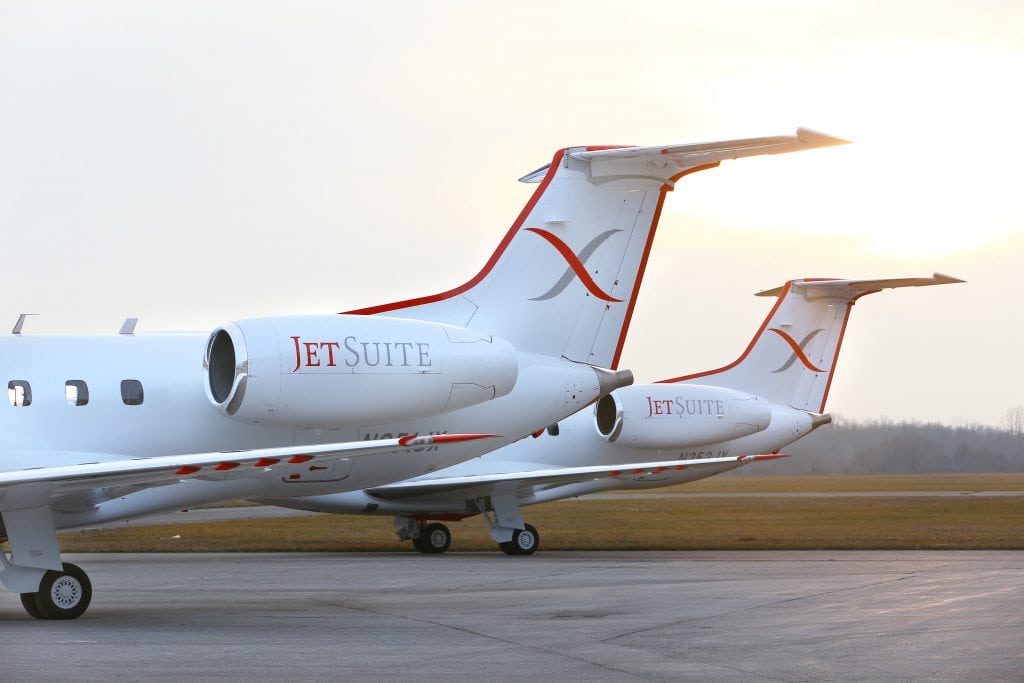
Did Qatar Airways CEO Akbar al-Baker finally win himself a slice of a U.S. airline? You could say that. But remember JetSuiteX, for now, has only five airplanes. We'll see how much it grows with the new money.
The wellness concept has enticed the luxury travel industry. Many of today's high-end travelers want something more than just first-class flights and a fancy hotel -- and there are plenty of companies out there happy to service that need.
Other airlines say they're adapting to what younger travelers want. But not all of them actually do it. Delta seems to be ahead of many of its competitors. And that's a good thing.
We're not surprised American Airlines is not interested in blinged-out first and business class cabins. But we're still slightly puzzled at the U.S. carriers' anger toward the Gulf airlines. Yes, Emirates, Etihad and Qatar receive government assistance, but so do a lot of airlines.