Today’s edition of Skift’s daily podcast looks at the persistence of virtual meetings in Asia, United’s new transatlantic routes, and road-tripping guidance in Southeast Asia.
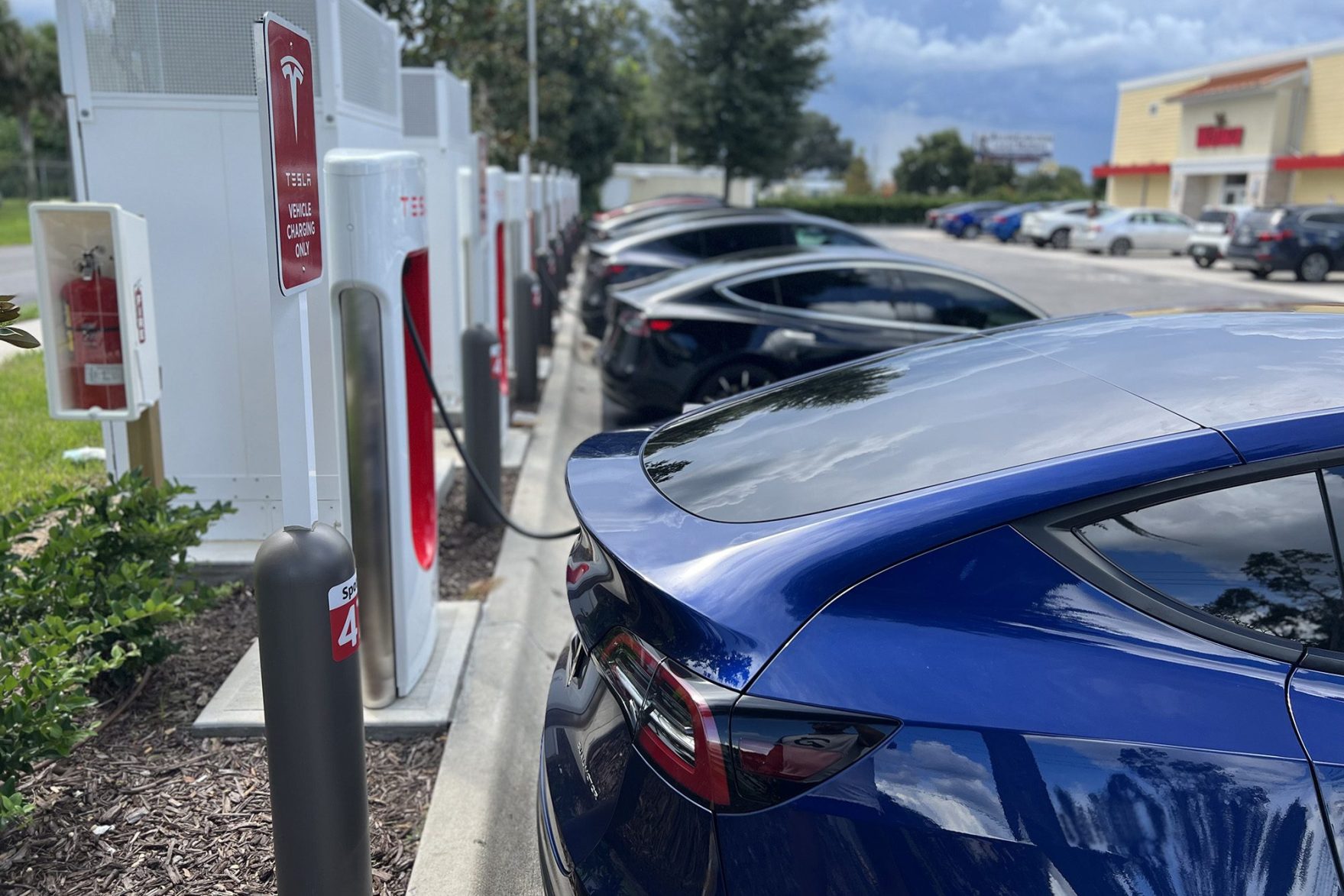
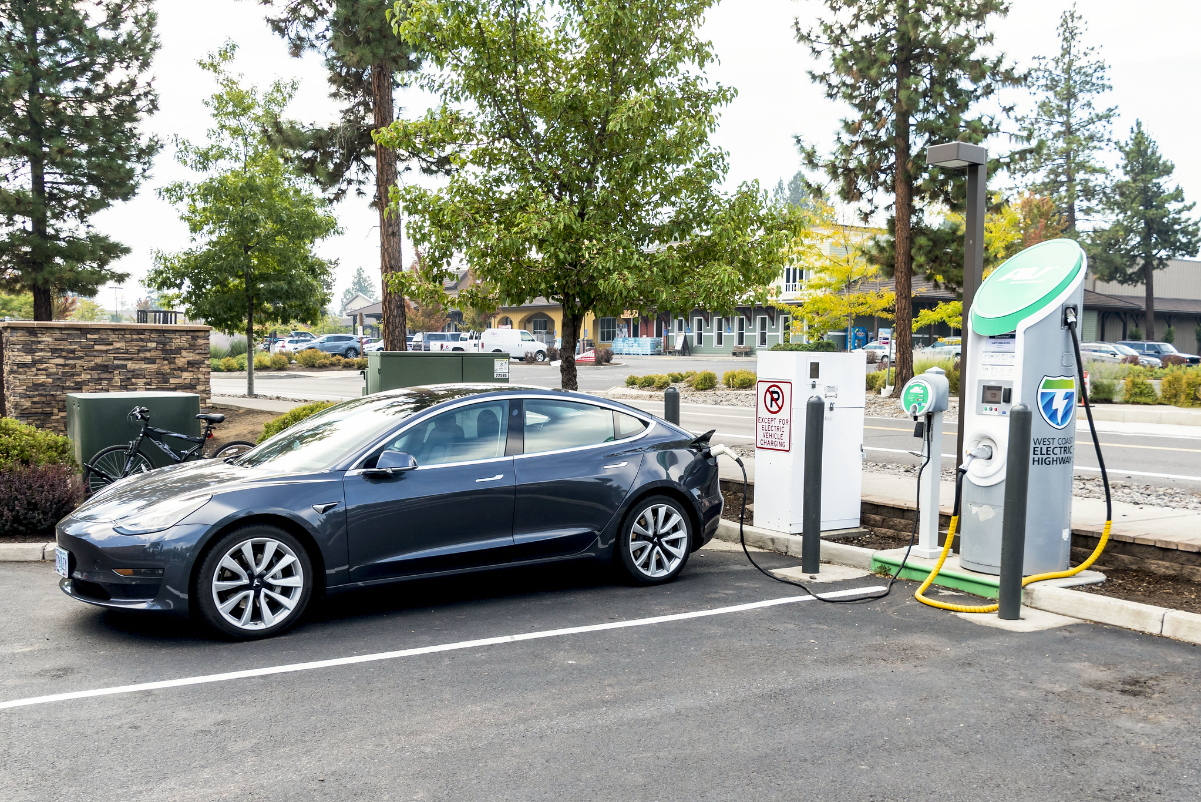
We drove 2,400 miles and juiced up at 14 charging stations in August on a round-trip journey from New Jersey to Florida, and back. Our experience and my diary of that trip hopefully serves as a playbook for the companies that are still innovating for this still-nascent way to travel.
High gas prices and inflation haven't dented travel demand for Labor Day weekend because Americans have dealt with economic turbulence long enough to know how much they can set aside for travel.
Despite inflation being a significant concern for many Americans, the pent-up demand for travel is so strong that rising prices aren't deterring travelers from getting back on the road.
Following Memorial Day Weekend, Americans are still planning to travel during the next major U.S. summer holiday, but with more careful planning and sentiment stability about rising fuel prices.
Electric vehicles are easier to take on summer trips than ever, with the number of charging stations up two-thirds in the last year. But regions differ in availability.
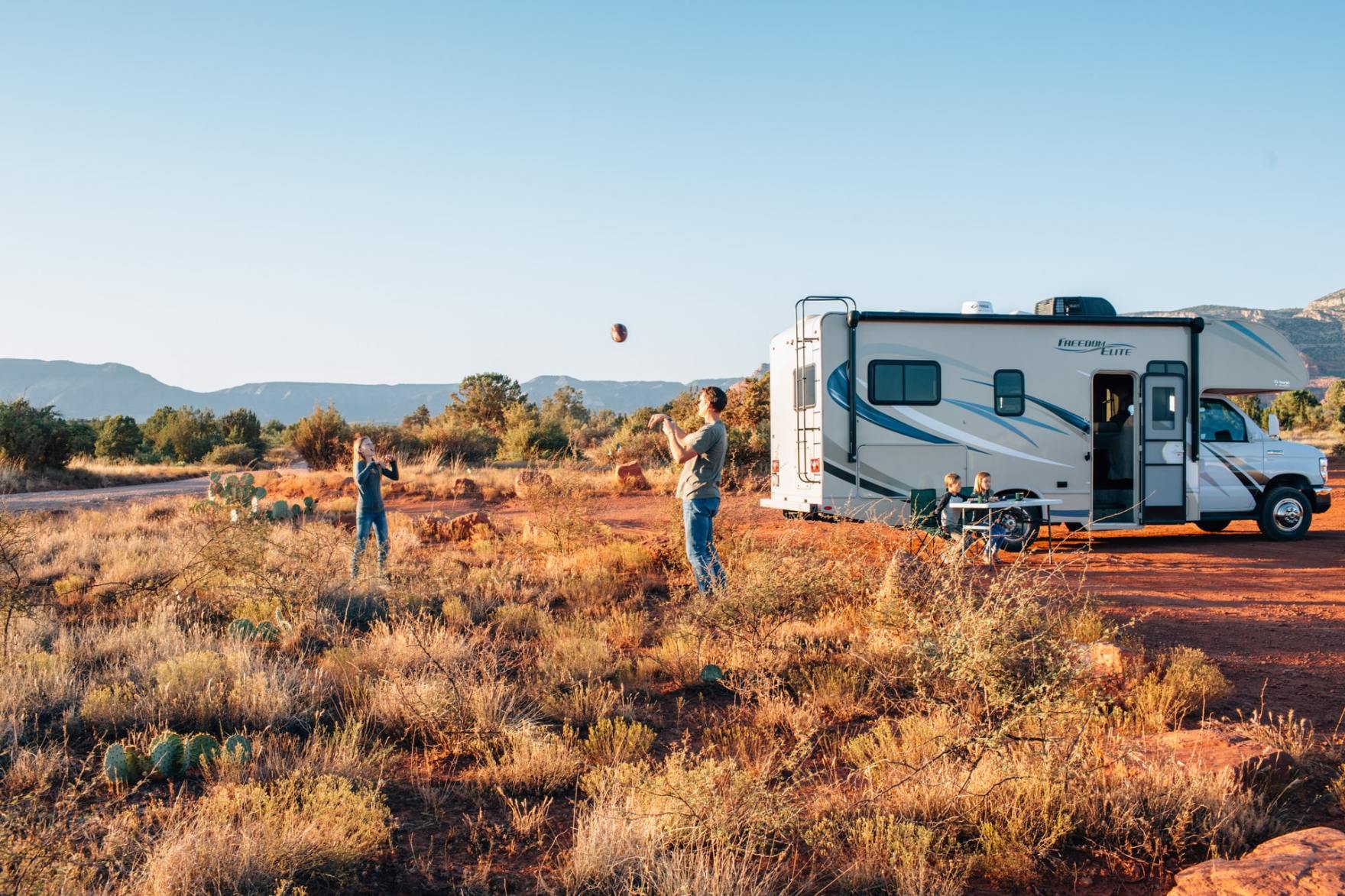
While many turned to recreational vehicles and outdoor experiences for social distancing and mental wellness during the pandemic, rising vacation prices are forcing Americans to carefully allocate their finances, adding yet another reason to the list of why RVs are the move this summer.
Americans are now saying that financial factors trump health and safety worries when it comes to travel decision-making. While some are staying home because they can't afford it, those determined to travel are finding ways to work around higher prices.
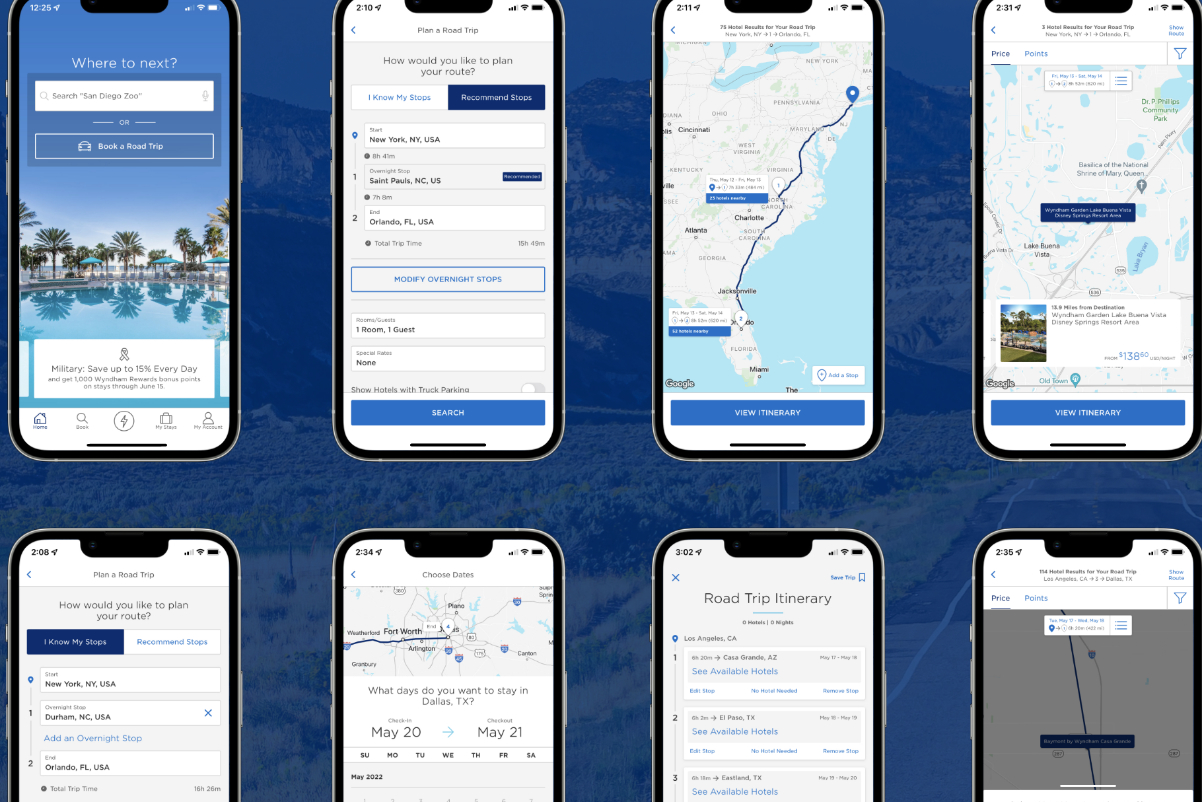
Hundreds of thousands of Americans regularly struggle to plan long-distance trips with stops at hotels that are pet friendly or have parking for large trucks. Wyndham's new tool aims to address this hassle.
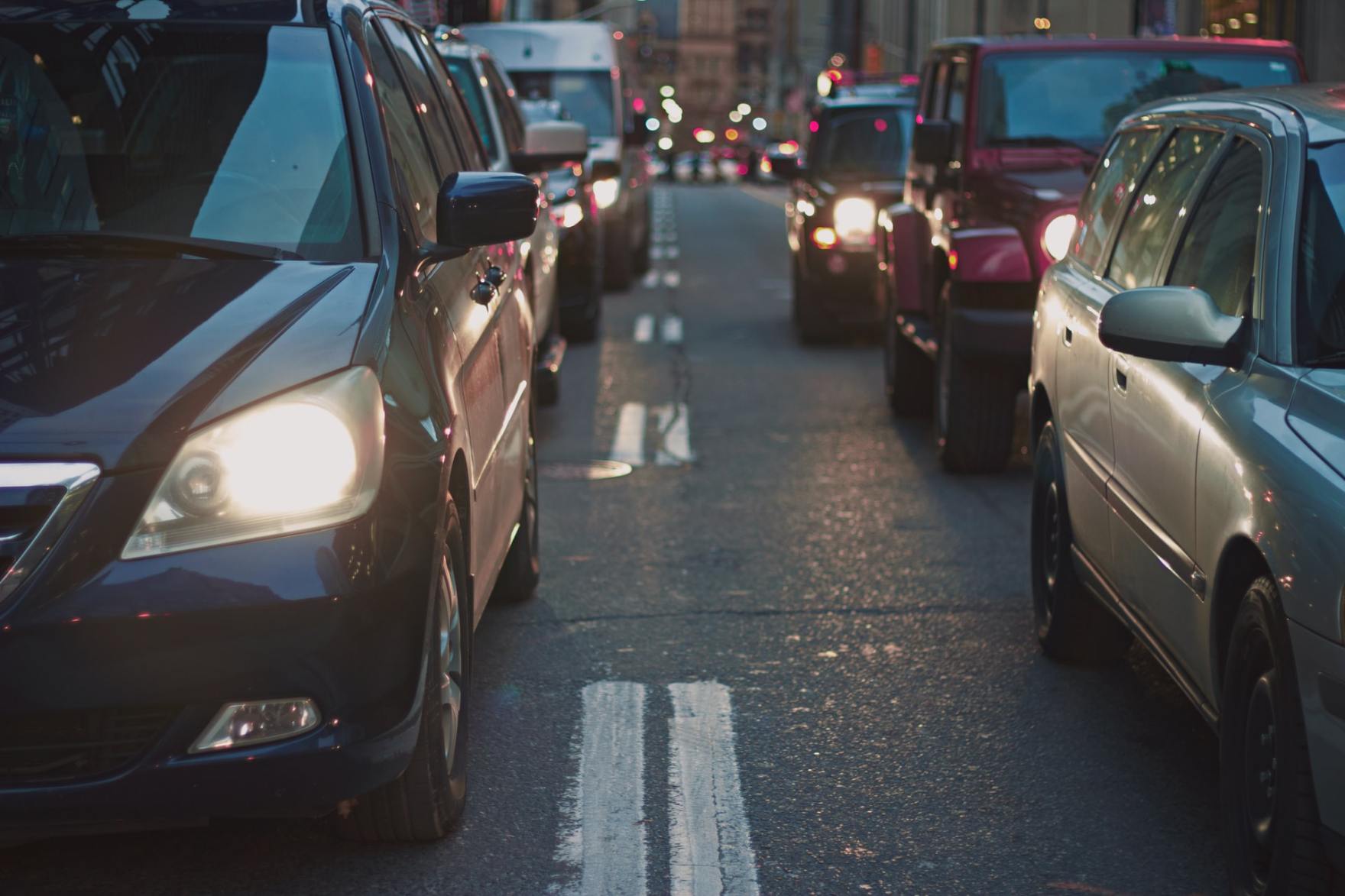
Travel reports are revealing that people are going to be spending more time on the road this year than during any other pandemic year. One company is introducing a new technology to make sure people are actually spending that time in transit, not at a traffic light.