Goatscaping is having a moment, especially at U.S. airports where the wooly landscapers provide a cheap, eco-friendly way to keep grounds well groomed.
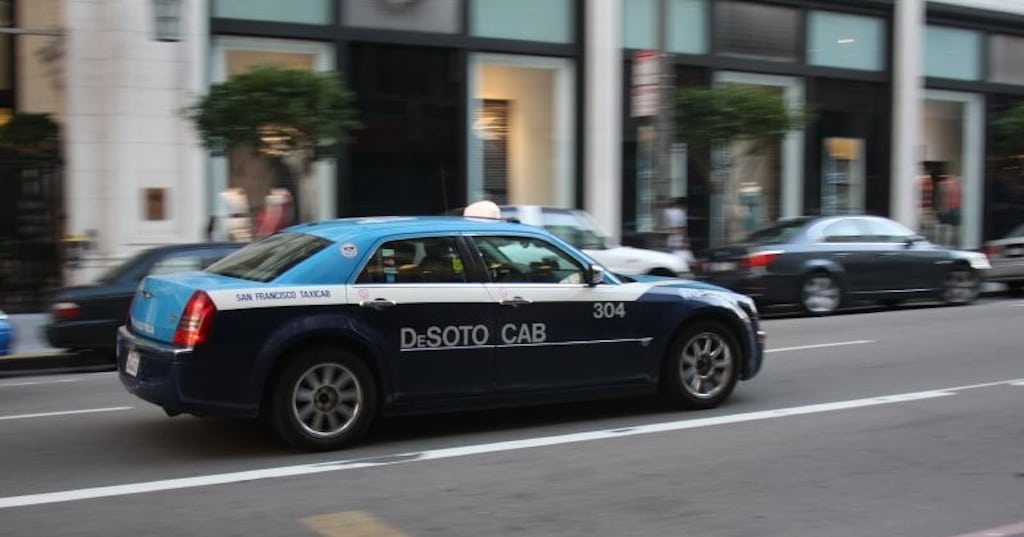
UberX’s greatest competitors might not be peer-to-peer ridesharing startups; they’re the taxi e-hailing apps that are gaining legitimacy and providing users a cheaper, faster way to access a transit option they already know and trust.
A special welcome sign in the window isn’t necessary; hotels and businesses that show respect and serve all clients without bias will see a boost in profits and visitors regardless of where they're located.
The Mayor's Office, Airbnb, and SFO all talk about an ongoing "dialogue" and "conversation," but any timelines are vague and the city’s own neighborhood associations, let alone its residents, aren't yet part of the discussion. The sharing economy will one day be regulated in San Francisco, but there's still much work to be done.
The taxi hailing/ridesharing legislation revolution is spreading from D.C. to New York and now back to where it all began. San Francisco will likely change the rules to allow for the new companies or institute a trial run like in New York.
As they strive to make it easier for people to get around and people earn some extra cash, these (paid) sharing services will face their biggest challenge finding success in destinations not densely populated or where taxi and transit systems work well.
Before sighing in exasperation at news of another travel startup, think back to last time you spent an hour searching the cheapest way to get from an airport to nearby city. Mozio’s utility gives it a shot at success, even if its ultimate goal seems a bit lofty.
In a crowded and contested market, SideCar convinced investors that it could play within city regulations and plans to use the funding for legal and operational hires for its city-by-city expansion.