The aviation industry has been growing at a steady rate for the past 30 years suggesting that market changes continually balance one another out and will continue to do so in the future.
Same-day booking is a trend that's here to stay, especially given its popularity during a season when most travelers try to book ahead for the holidays.
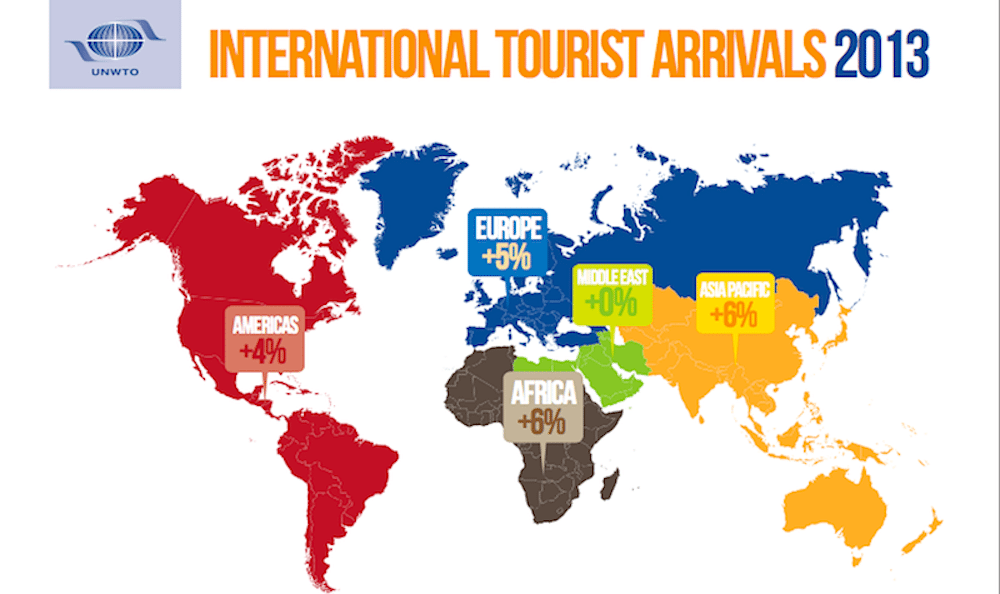
Tourist dollars are shifting to new destinations, largely in Asia, but shopping and world-renowned attractions are still the largest factor influencing where travelers spend.
Tourism growth is determined by a number of internal and external factors including the location and cultural significance of a destination as well as the economic health of their neighbors.
The UNWTO's annual tourism numbers are the most accurate statistics available. A second year of record-breaking growth signifies the strength and potential of the international travel industry.
Public transportation is becoming more popular countrywide as a new generation of millennials moves away from personal vehicles in favor of more affordable bikes, buses, and monthly subway passes.
Airlines have been faster at rolling out tablets to in-flight crews than airport employees, but both places present valuable opportunities for carriers to improve the customer experiences.
Increased airline fees are almost always discussed in a negative light, but are also largely to credit for airlines' growing profits that lead to job creation instead of loss.
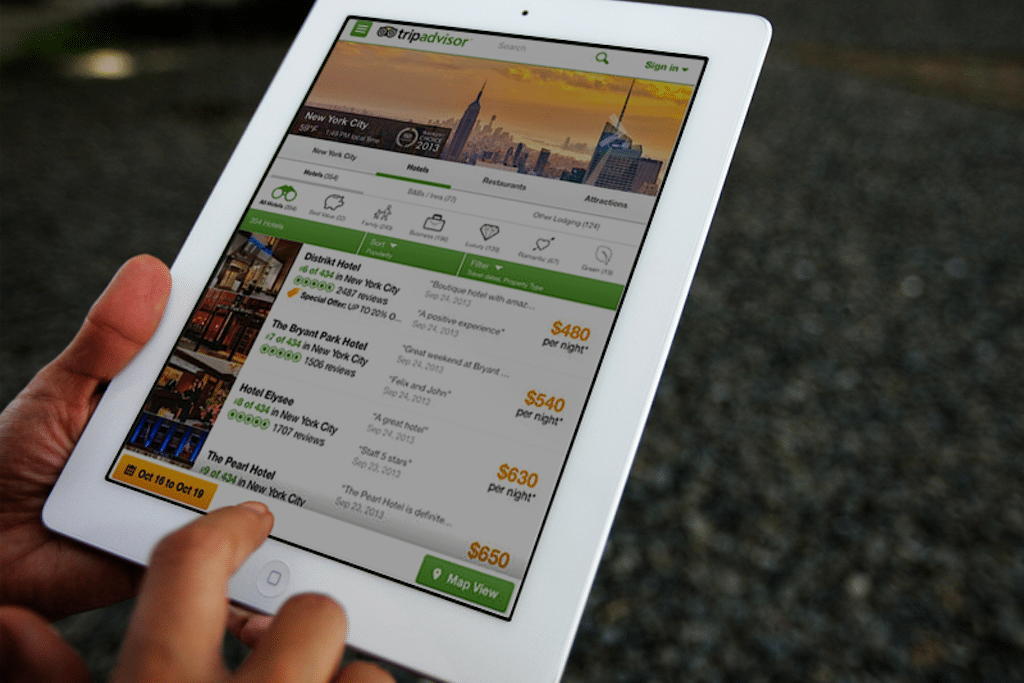
Writing hotel reviews has become a common part of a travel experience. Guests and hotel managers are getting better at filtering through the noise to write and comment on the service and amenities that really matter.
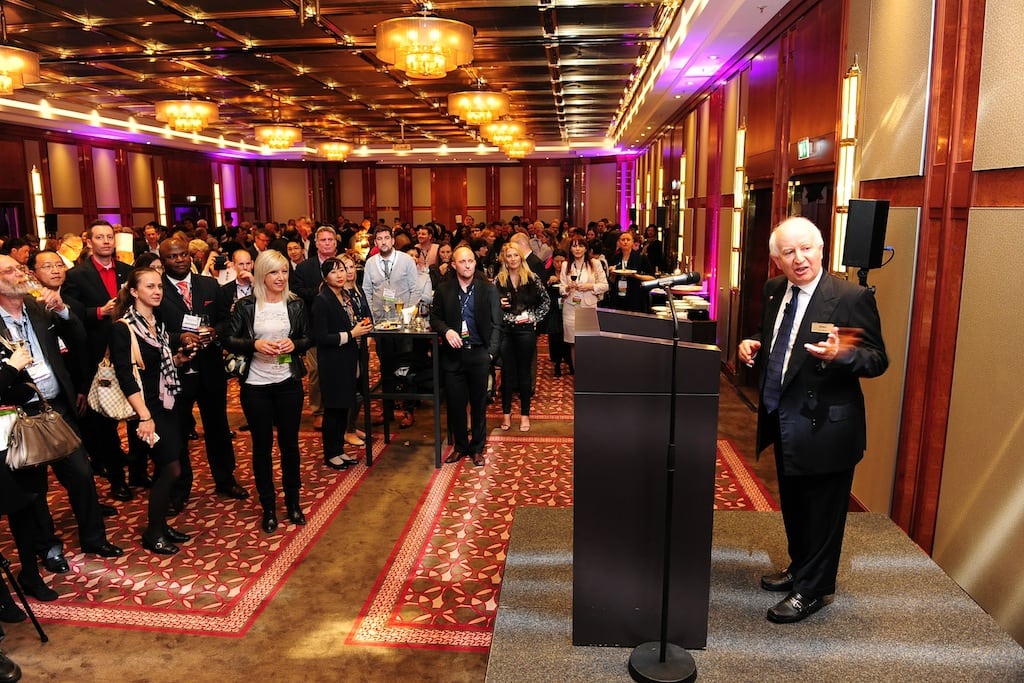
The frequency of and attendance at international business meetings will continue to grow thanks to companies' renewed confidence in an improving economy. But the meeting market is moving from Europe towards Asia meaning that the degree of growth for individual cities depends on their location.