Spirit Airlines executives suspect their airline is well-positioned to win in a recovery. They're probably right, since low-cost options often thrive during a recession. But Spirit has to withstand the crisis first.
Airlines are reverting to old strategies, like so-called tag flights, to try to maintain service in an era of depressed demand. It is not a panacea, but it might help them conserve cash for a bit longer.
Ultra-low-cost carriers have gotten a raw deal from the U.S. governments bailout. There's no good reason these airlines should be forced to fly so many flights when demand is near zero.
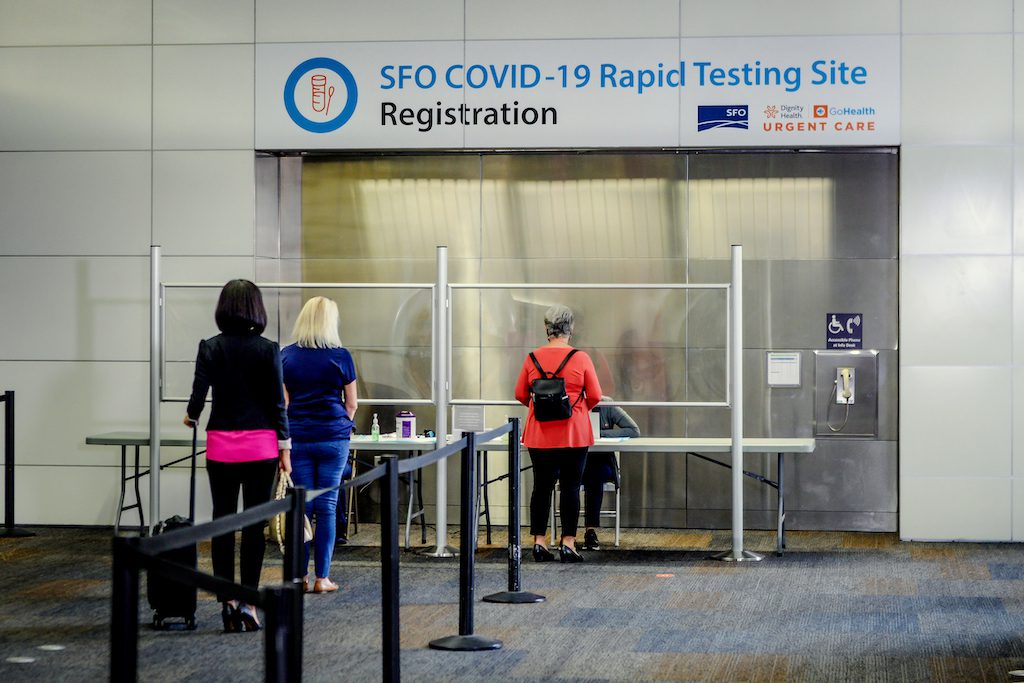
Coronavirus is a disaster for U.S. airlines. Some executives compare its impact to the fallout after 9/11. The big question is how long will it last? Airlines hope the revenue dip will be short-term.
Spirit Airlines is taking delivery of new aircraft, so this is an easy time for the airline to add more comfortable seats. The big question is will the airline pay to retrofit older jets to new standards? That's an expensive proposition, but it would show the airline is paying attention to passenger desires.
Spirit's decision to buy more airline technology from Sabre signals two things. Sabre has overcome a sales slump. And Spirit is investing to cope with its growth.
Every airline executive knows how to improve on-time performance. But there's a problem. It's expensive, since airlines usually must add slack to the schedule. Eventually the costs add up so airlines reduce the slack, hoping reliability will hold steady. Sometimes this works. Sometimes it doesn't.