There’s no question that travel search is changing with generative AI, but the jury is out on who the big winners will be. Mindtrip is jumping onboard as travel companies attempt to seize the opportunity.
Thayer, the best-known VC firm that invests in travel startups, is essentially merging with a newer fund called Derive. The deal is being pitched as a way to "drive innovation in travel tech," which is VC-speak for "we want to make money off the next big thing in travel apps."
Skift has covered hundreds of travel startup funding rounds over the past few years, and we’ve spoken with numerous founders and investors about the state of venture capital. They all tell a similar story: There’s money to be had, but the bar is much higher now.
Steve Singh is continuing to build and fund an ecosystem that he hopes will bring about a more high-tech experience for the next generation of business travel. Otto will have to work out the rough edges of other AI trip planners to date.
Airlines have been making larger investments in hydrogen-electric startups as they look for ways to become more sustainable. But it’s unclear if such engines can be used on a wide scale.
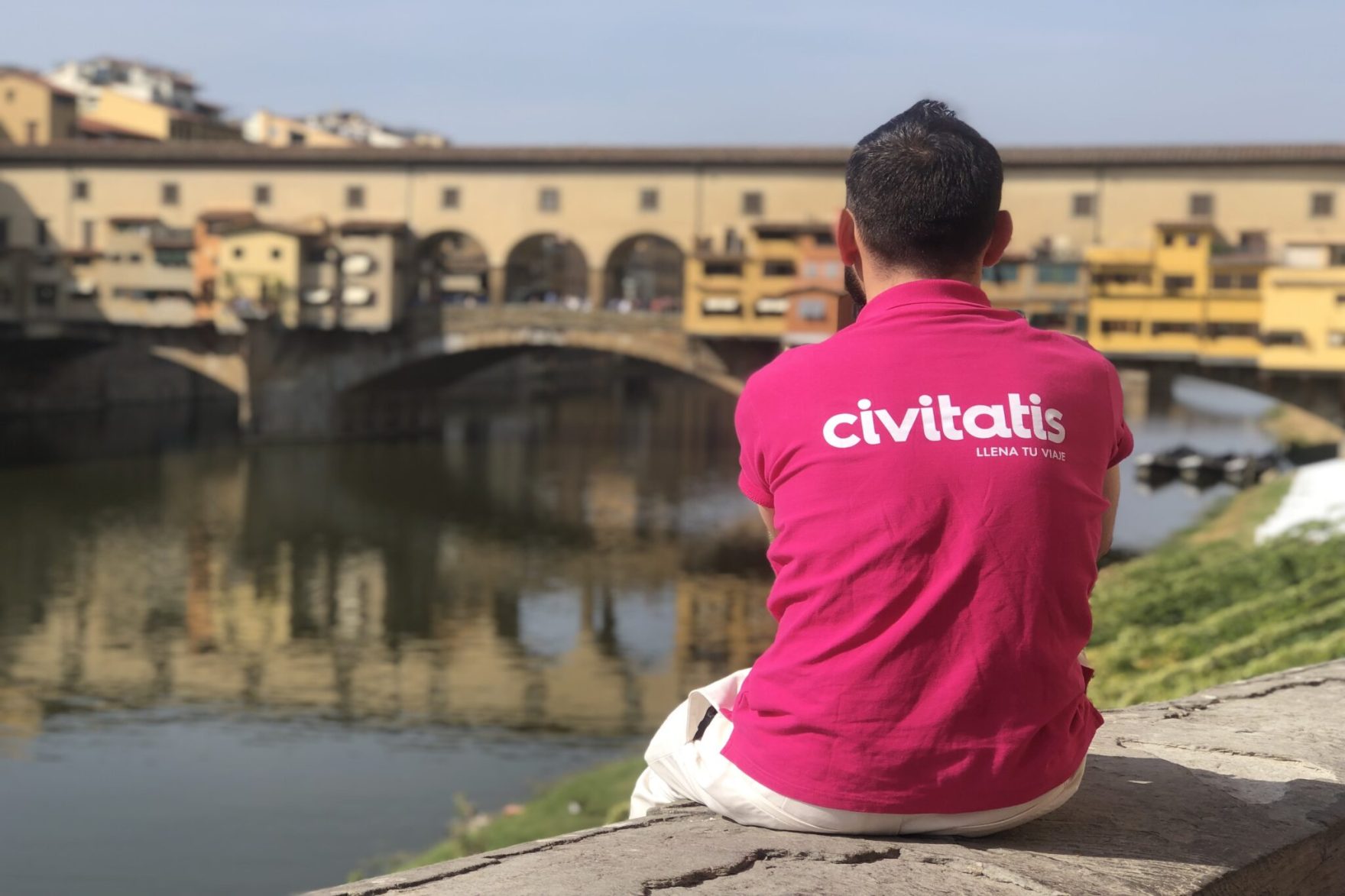
Vitruvian Partners' additional $50 million investment in Civitatis underscores the company's appeal as a niche marketplace. The company plans to use the funds to solidify its leadership in Latin America.
Lighthouse, the travel startup formerly known as OTA Insight, has bought Berlin-based HQ revenue. The deal marks another step in Lighthouse's strategy of expanding through talent and technology acquisition rather than accumulating customer lists.