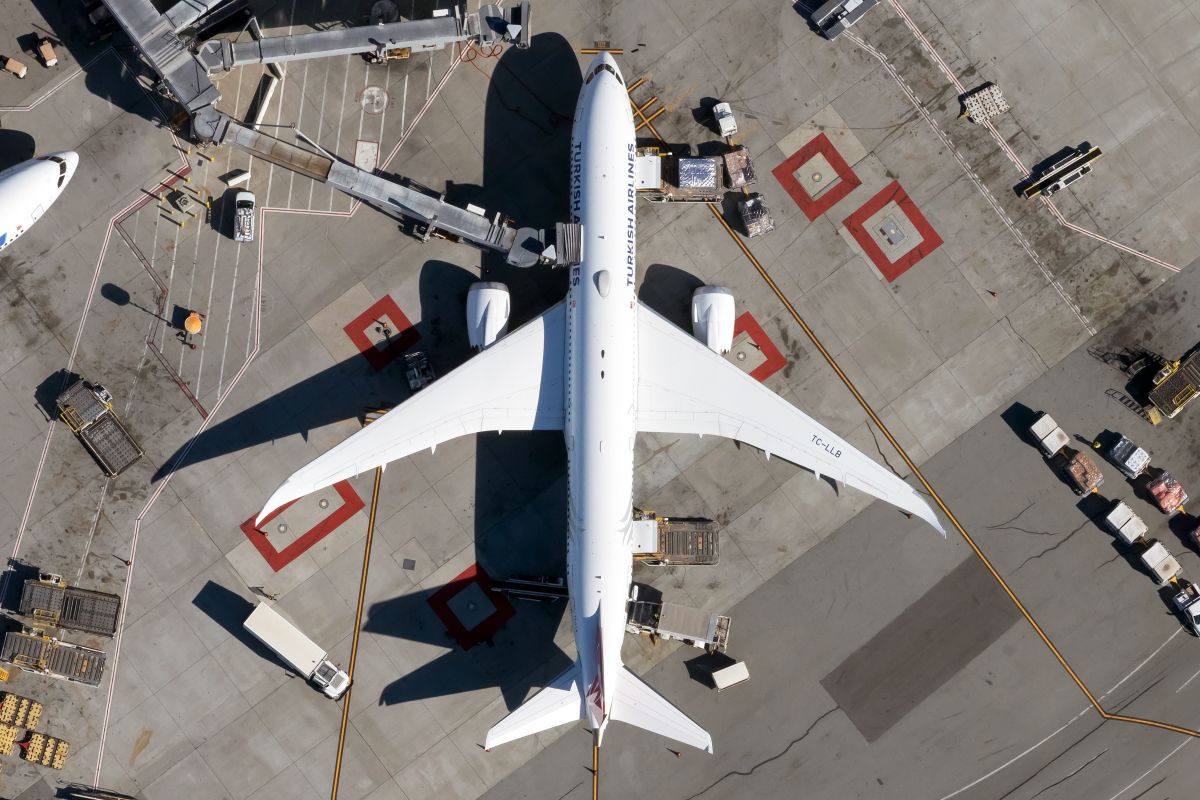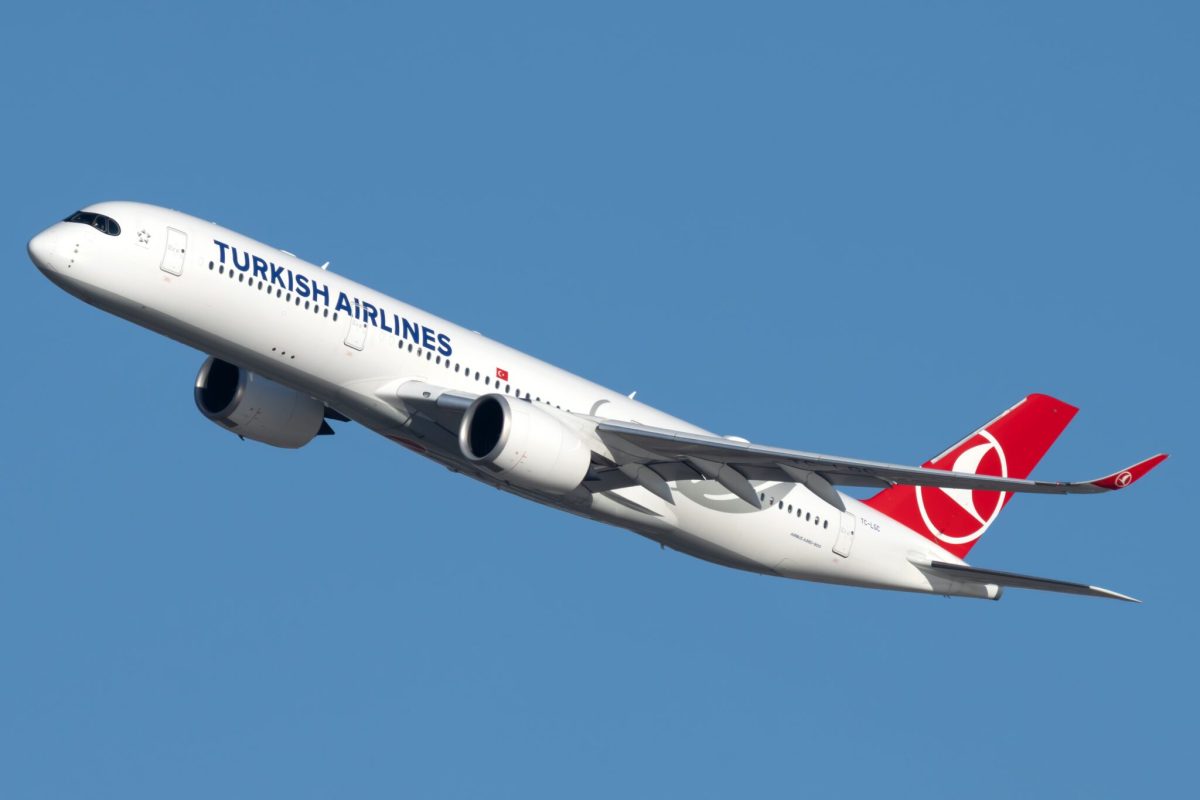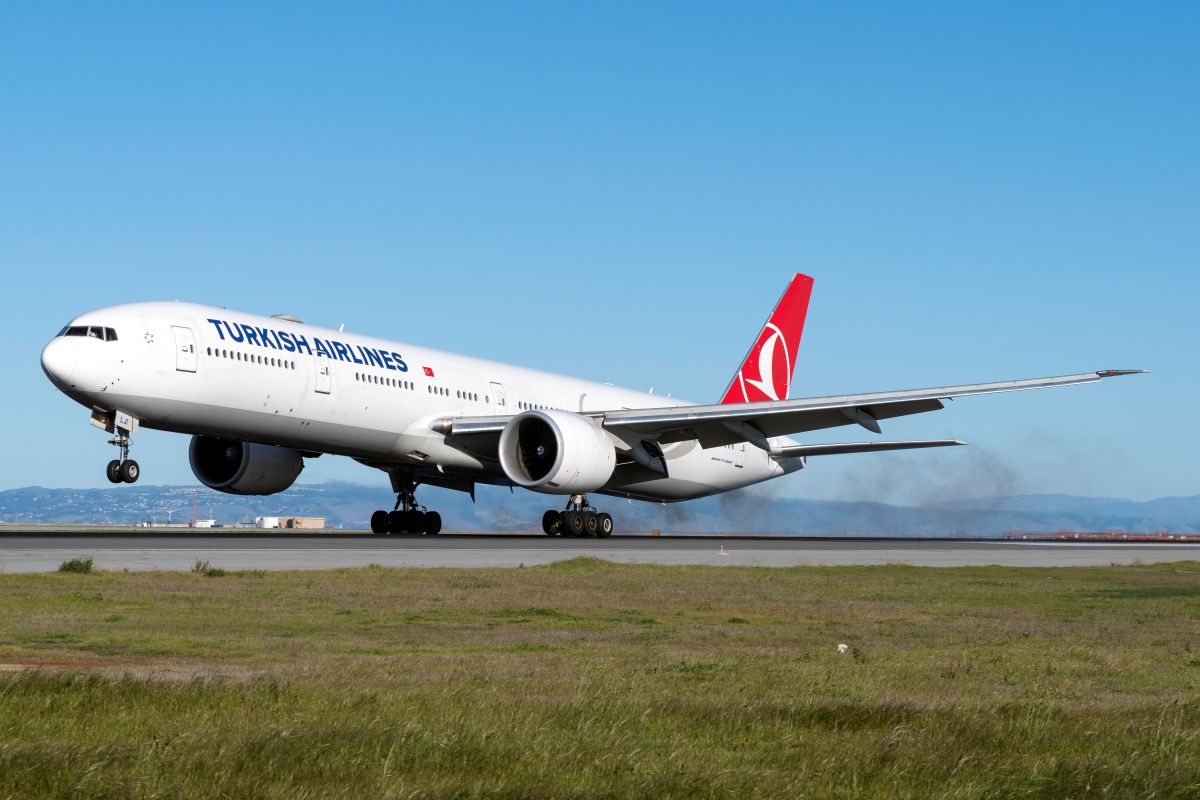
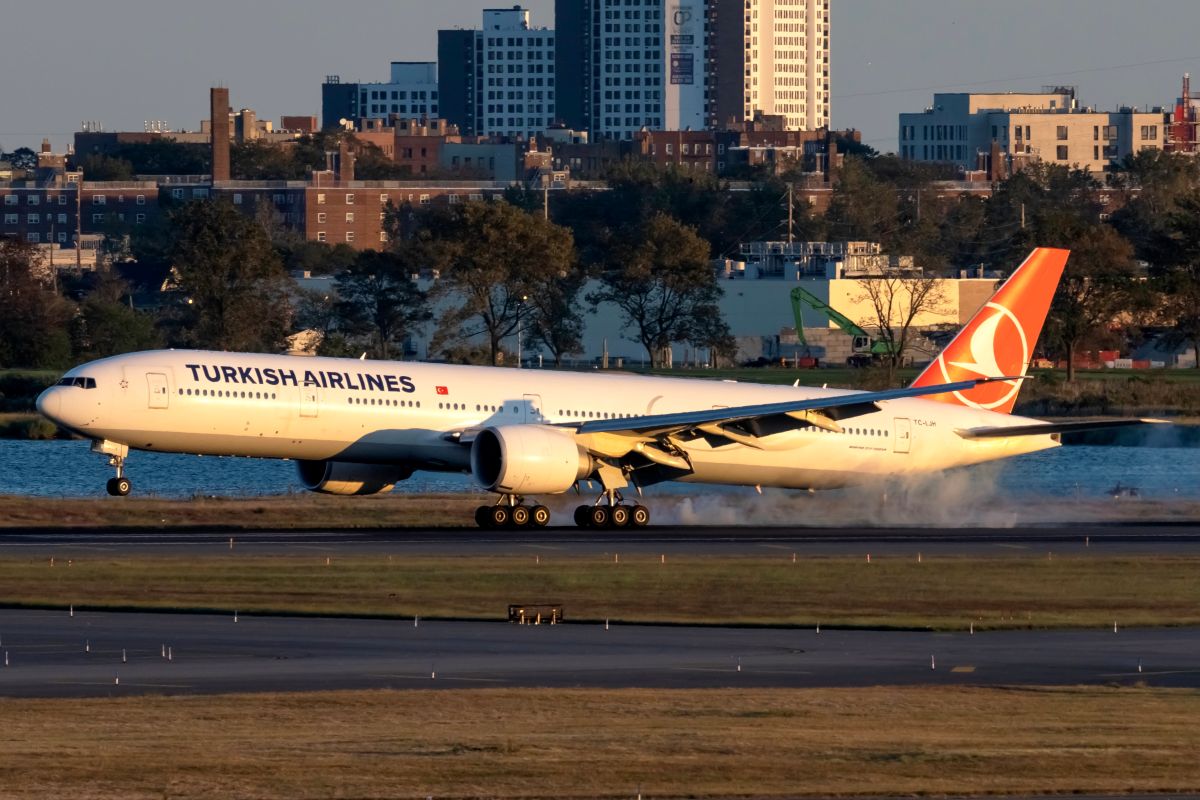
Turkish Airlines is dialing back the pace of expansion – shifting toward profitability and network quality while still pursuing its global ambitions ahead of the carrier’s 2033 centenary.
In Europe’s airline market, cost discipline beats scale — ultra-low-cost carriers lead on margins, while legacy giants rely on consolidation and strategy to stay competitive.
Turkish Airlines doesn’t need full control of Air Europa to gain a foothold in Latin America – just a well-timed minority stake with fewer regulatory headaches than its European rivals.
With SAF still far more expensive than jet fuel, mandates arriving in Turkey and beyond, and no quick fix in sight, the industry may soon have little choice but to pass costs onto customers through higher ticket prices.
Several international carriers reported during the second quarter that the Trump administration’s hardline approach to immigration was starting to cause a dip in bookings to and from the U.S.
Turkish Airlines isn’t just building an airline – it’s building influence. Ahead of the company's centenary in 2033, the carrier is refining its soft power playbook.
It seems that Turkish Airlines' push for direct bookings isn't exactly going to plan. As American Airlines already learned, travel agents aren't keen on fast change.
Turkish Airlines will land in Sydney for the first time in December, but this is just the warm-up act. Expect things to get really interesting once the company gets new planes capable of flying from Istanbul to Australia non-stop.