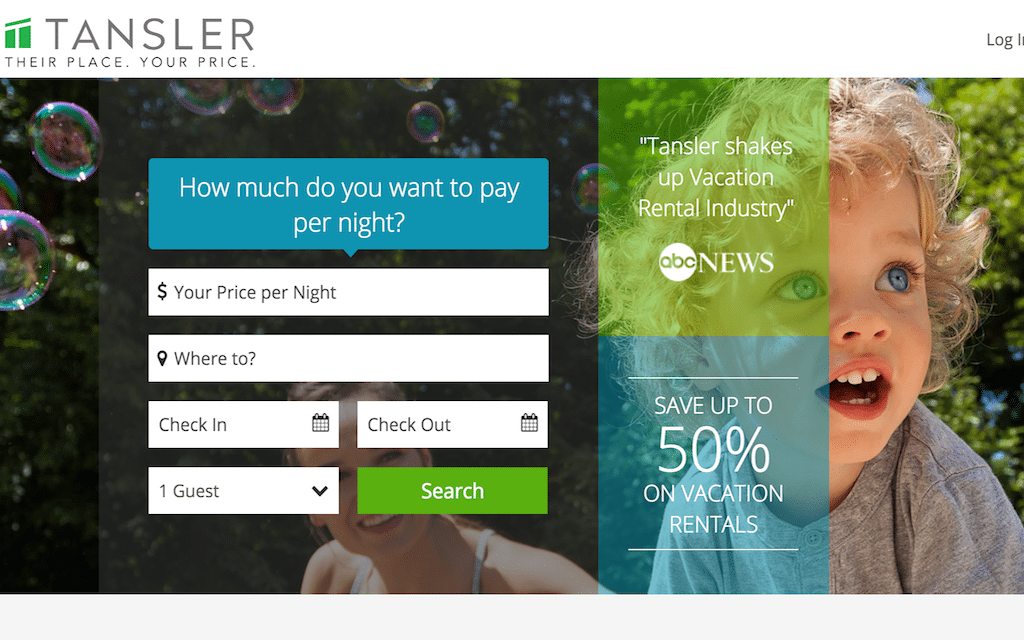
Tansler enters a space where the Expedia-HomeAway deal has done astronomically more to shake up the vacation rental sector than the former is currently capable of. But the idea of adding a new level of competition to vacation rentals that already exists with hotels with sites like BackBid is something to get excited about.
There's no ignoring Ola anymore--it's now one of the top-funded travel startups and is happy to dominate the Indian ride hailing app space while Uber watches, and strategizes, from the side lanes.
Airports are never easy to work with and require cutting through red tape longer than any distance a traveler can drive in a Turo rental. Focusing on connecting travelers with cars outside the airport environment introduces more personality into the company and allows it to better compete with ride-hailing app giants like Uber.
As large Asian markets like China increasingly demonstrate the desire for adventure activities Klook has positioned itself to be at the center of this trend.
FlightCar has a cool idea that lets travelers get monetary usage out of their cars, which would otherwise remain stationary during a trip, but it probably still isn't any easier or cheaper to use the service compared to an already existing airport car rental company.
As mega online travel agency Expedia invests millions of dollars in technology that it hopes will improve the user experience it looks like Routehappy, which Expedia uses, has investors who know what they're doing.
BlaBlaCar, which actually deserves to be called a "sharing economy" company, has a model unique from other ride-share companies for many reasons, including the fact that drivers know they can't make a personal business out of it. As it continues growing in markets outside the U.S., other global companies like Uber know they chase after very different travelers than BlaBlaCar.