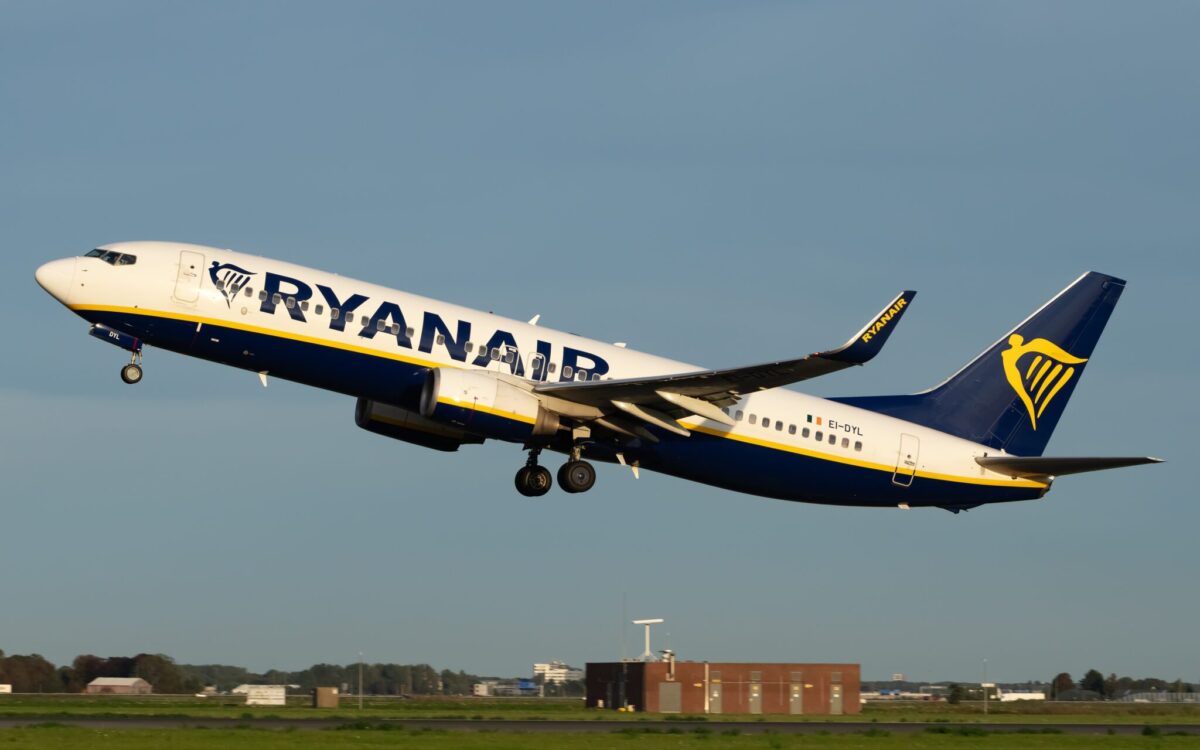
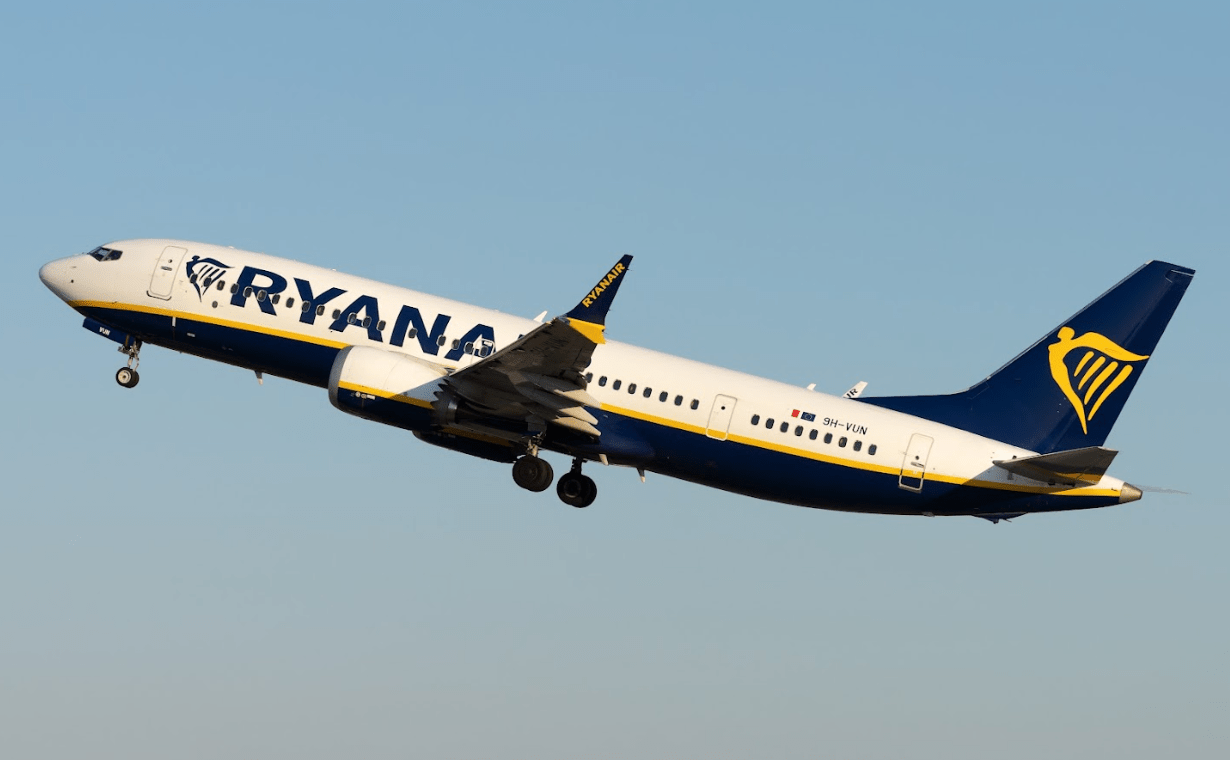
O'Leary and team now have one of the cleanest balance sheets in commercial aviation – the timing, with fuel costs hammering rivals, could hardly be better.
The extreme daytripping debate has raised fresh concerns about the climate impacts of an industry that largely says it is committed to responsible tourism and reducing emissions.
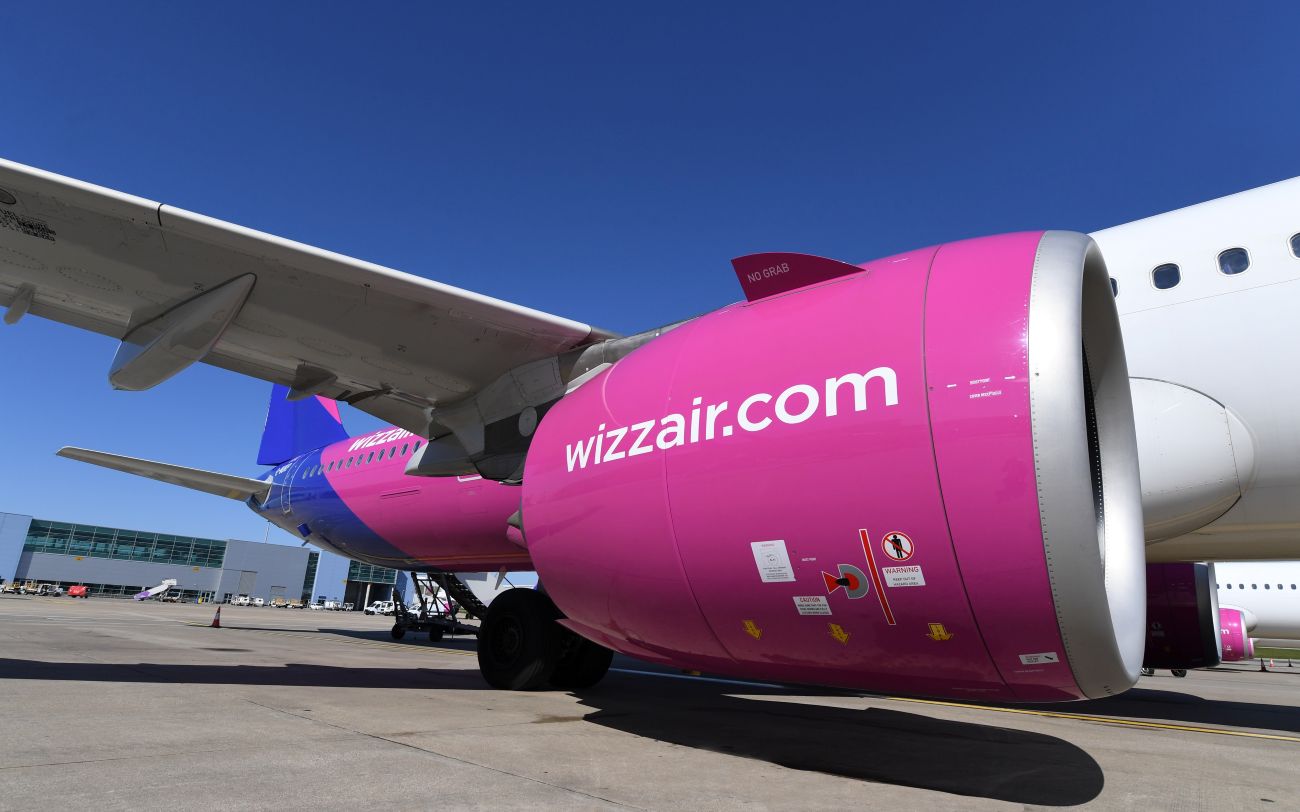
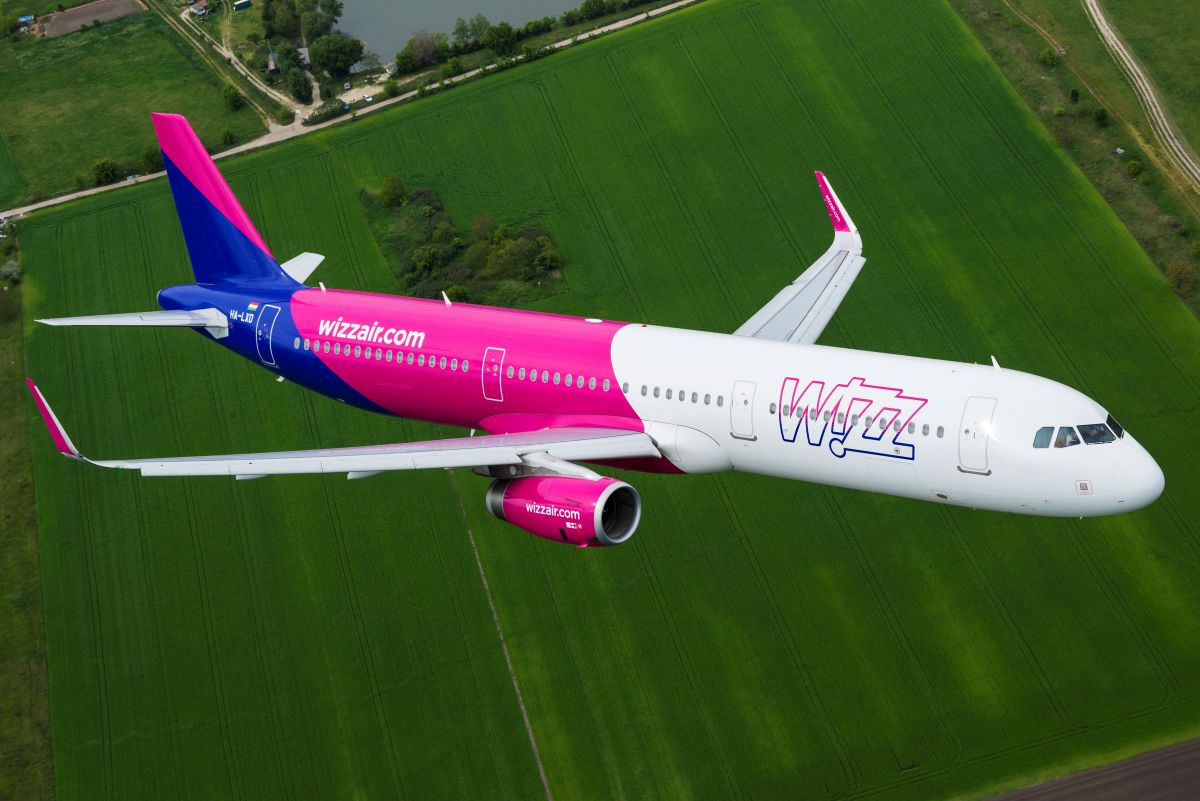
Wizz Air’s U.S. filing looked like the opening whistle on a transatlantic push, but management says it was just a paperwork technicality. However, World Cup charters could still come off the bench.
Wizz Air is testing how far it can push “premium” without touching the cost or complexity of business class. If blocked seats and basic perks lift yields with little operational pain, this won’t stay a niche product for long.
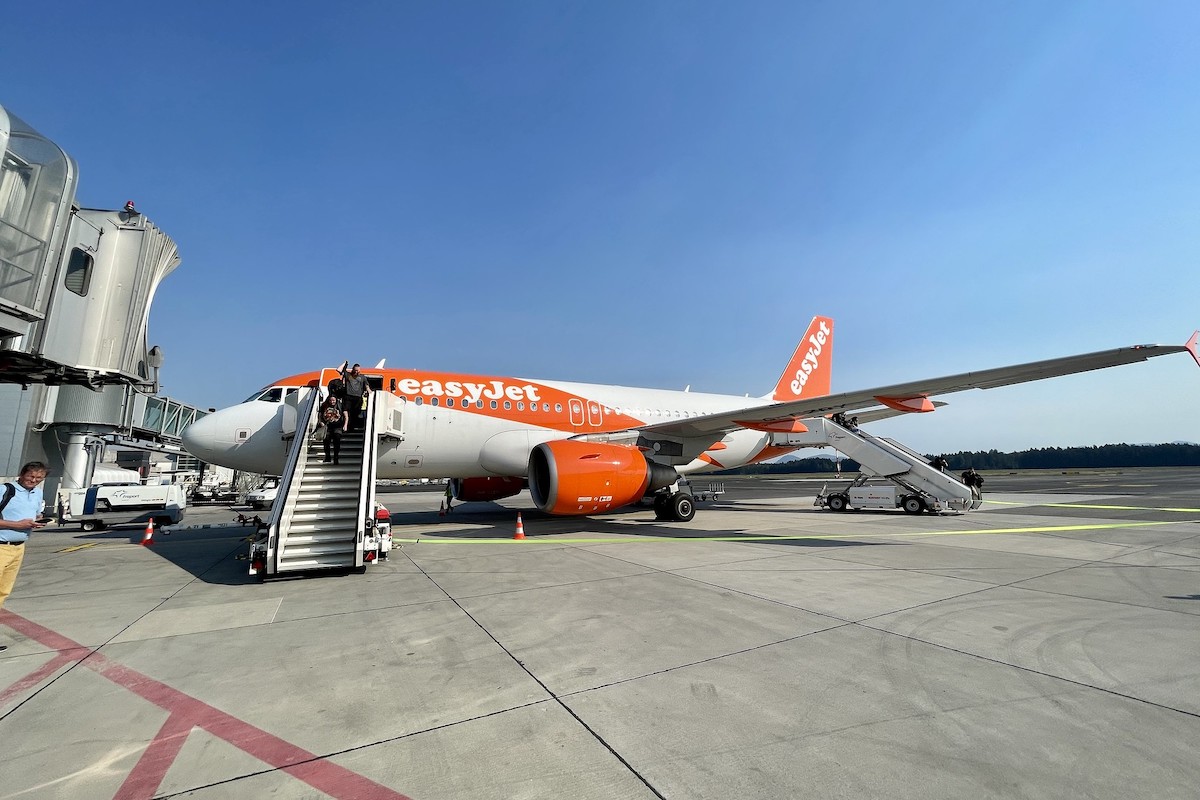
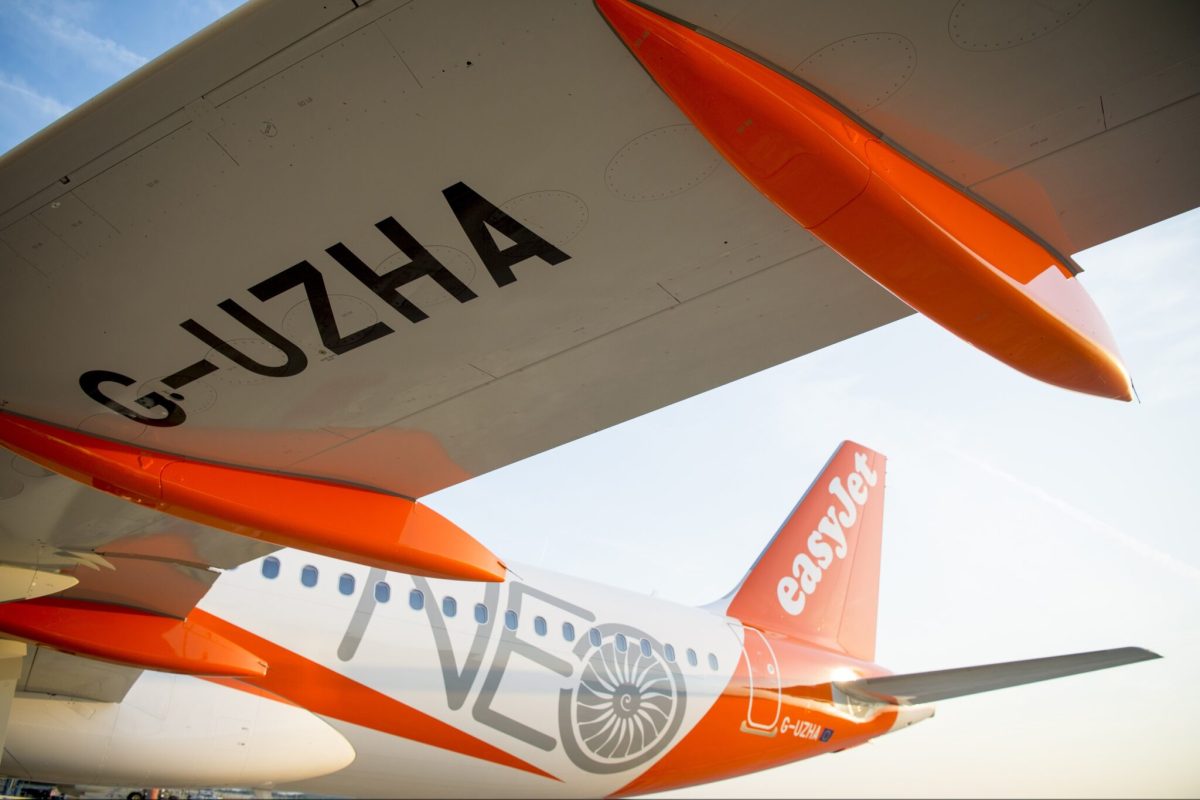
Europe’s low-cost airline rivalries can resemble a soap opera, with familiar characters and recurring insults. But beneath the theatrics lies a very real battle for market dominance and relevance.
Ryanair’s low uptake for Prime underscores the limits of paid perks in a no-frills model, and shows that even the world’s most disciplined airlines can miscalculate demand.