Despite all the uncertainty in the hotel orbit, all the major hotel companies returned to profitability. Keeping a grip on the p-word is going to require major structural shifts.
The world may be on edge with a surge of new cases stemming from the Omicron variant, but governments are generally staying the course in keeping borders open. Hotel companies are maintaining growth mode with new deals and a potential blockbuster sale.
Wyndham’s move to terminate its management contracts with an acquired CorePoint has significant implications around where major companies want to focus their resources in a post-pandemic hotel environment.
Real estate is a long-term play that generally isn’t impacted by downturns, but the pandemic accelerated efforts to beef up some development offerings in the leisure and luxury orbit.
Sticking to the basics like affordable hotels in drive-to destinations floated hotel companies like Wyndham through the pandemic. But there’s still room to improve with higher-end offerings.
Frequent stays and in-person interactions have long been the standard building blocks for traditional loyalty programs. As travel experiences blend with the digital, contactless world, hotel brands must sharpen their abilities to gather first-party, personalized data from customers throughout the journey.
Hotel executives presented China as a definitive, massive growth opportunity to shareholders during the pandemic. But volatility in the development world as well as tough government oversight mean CEOs at companies like Hilton, Accor, and Wyndham need to find a new way to show strength.
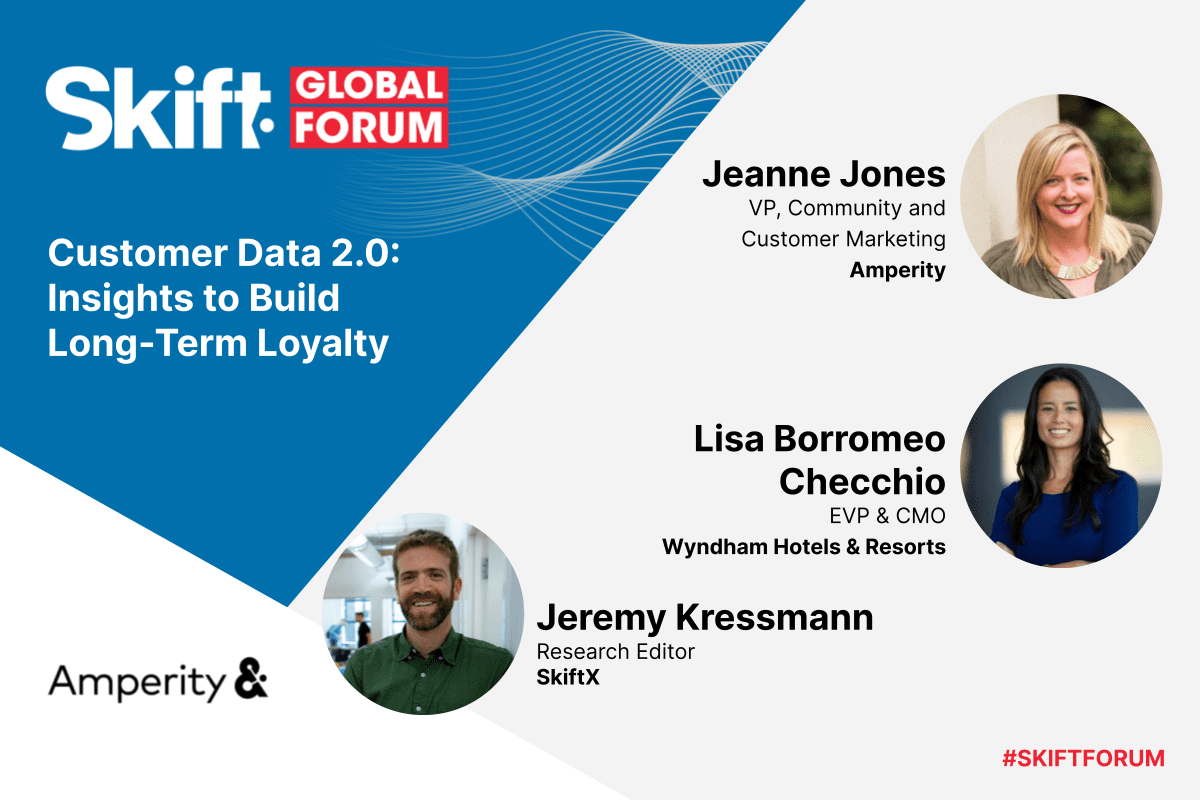
In this video recording from Skift Global Forum, we hear from Jeanne Jones, vice president, community and customer marketing, Amperity, and Lisa Borromeo Checchio, chief marketing officer, Wyndham Hotels & Resorts, who discussed how data plays an integral role in building relationships with loyal members and new customers alike.
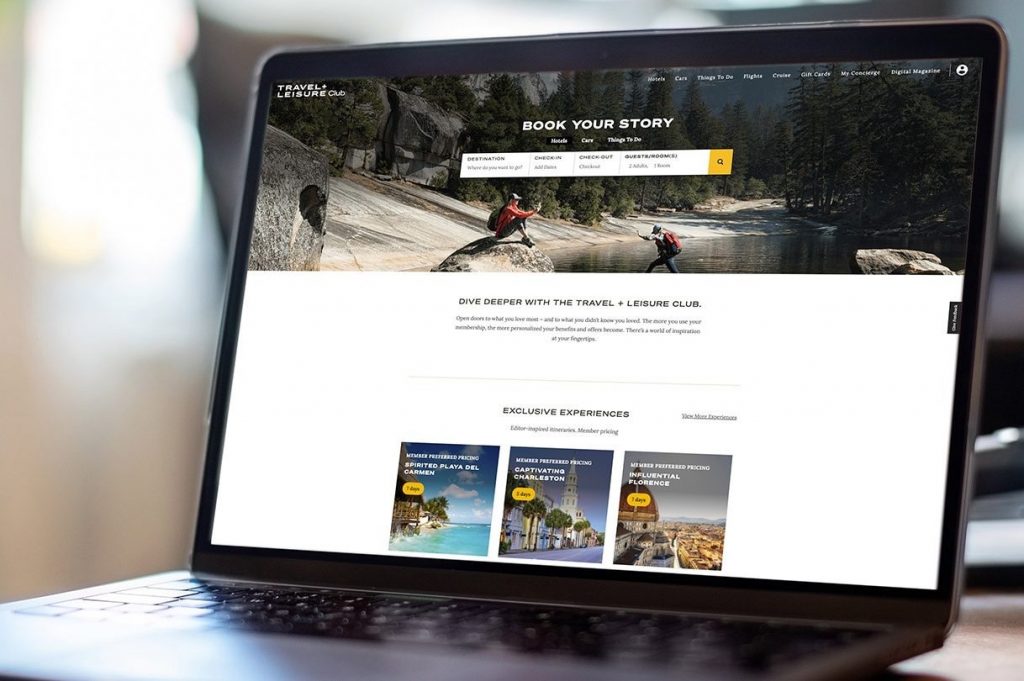
Publicly traded hospitality companies need to show shareholders signs of growth and expansion. Travel + Leisure Co.'s message of multibillion-dollar sales growth from existing clients isn't as far-fetched as the price tag may sound.