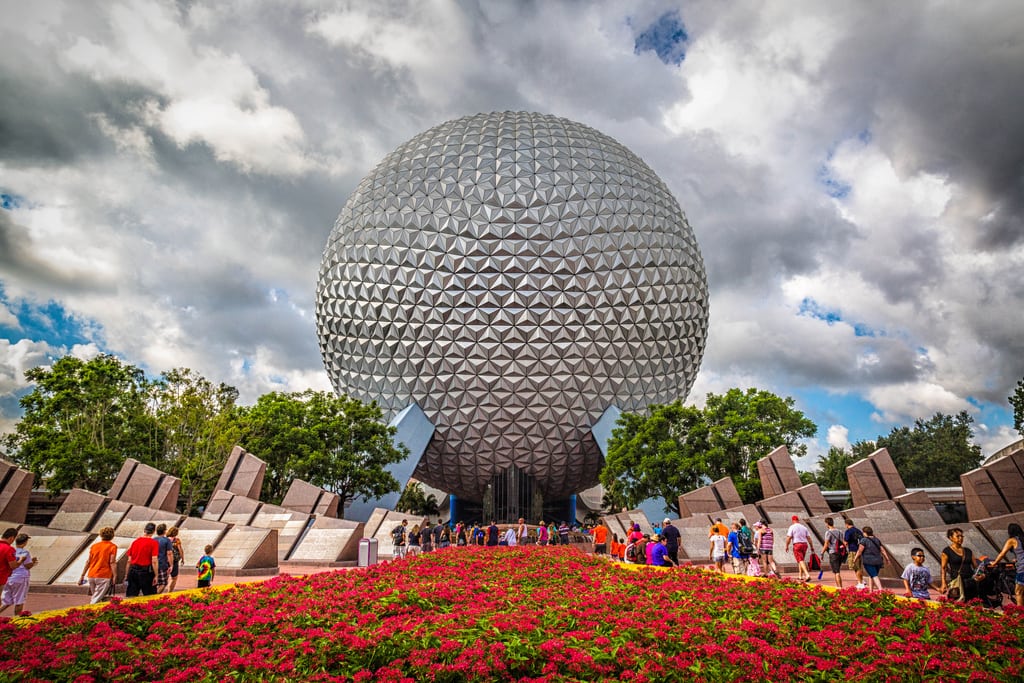
New York City draws more international visitors, who spend more time and money than U.S. travelers, but Orlando has its lock on repeat visitors elevating it to the most visited destination in the U.S.
Hawaii will definitely get in on the boom in travelers from Asia. The islands have lots to offer, but competition will be intense. With hotel rates soaring, hoteliers in Hawaii may come to realise that they may have to temper their rate hikes rather than make up for the 2007 recession in one fell swoop.
Bikeshares across the U.S. don't compete with one another since locals and visitors will use whichever is in their destination, but creative branding could impact its pickup within the local community.
This one chart explains why the U.S. tourism industry is so concentrated on catering to travelers from Brazil, China, and India: They are the fastest growing demographics among the top spending tourists.
Most professional travel roles boil down to marketing and trying to get travelers to pick your destination, hotel, or airline over all other choices. You ace that and your skills applicable in almost any sector.
The U.S. tourism industry is laser focused on tourists from a handful of countries, but it will need to adapt its marketing, strategy, and product offerings for tourists from a broader set of countries in order to continue its record visitor growth.
With other Southeast Asian metropolises realizing the value of cultural arts to help attract new legions of global travelers, Hong Kong zoomed to the front of the line with the Art Basel partnership.