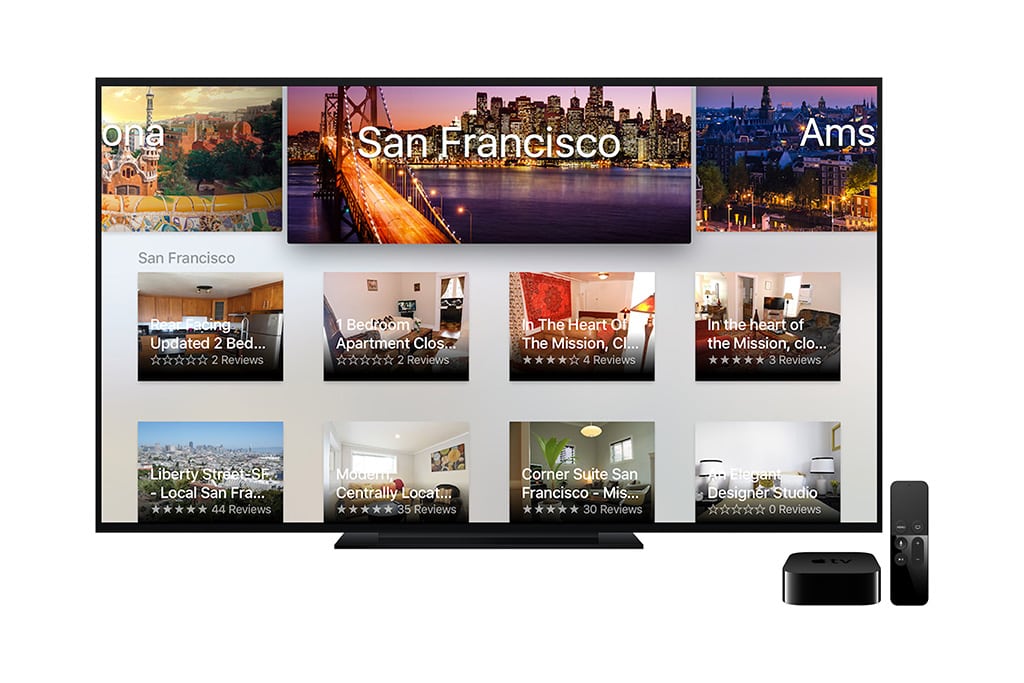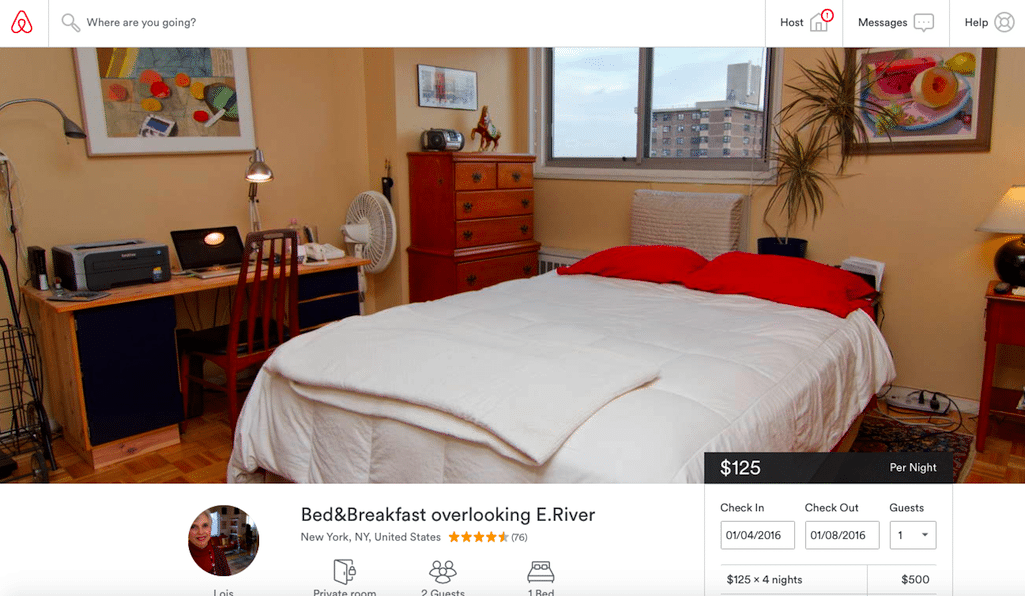
The websites that have the most comprehensive set of lodging choices, whether they are hotels, vacation rentals, apartments or igloos, will dominate. Expedia, through its HomeAway acquisition and intent to develop apartment rentals in cities, knows this and is getting ready for the future of travel in lodging.
The latest revenue numbers from Airbnb explain why Expedia is acquiring HomeAway, the Priceline Group is touting its 21 million bookable rooms, and Wall Street analysts are questioning hotel-chain CEOs on the prospect of selling hotel rooms through Airbnb.
The biggest challenge for Airbnb is the idea that staying with a stranger is strange. So Airbnb is shining a brighter spotlight on its community of hosts worldwide to inject the brand perception with a more familial enthusiasm.
Airbnb is evolving into a global movement that transcends travel because it's crafting a universal ideology that promotes positive human values wherever it does business.
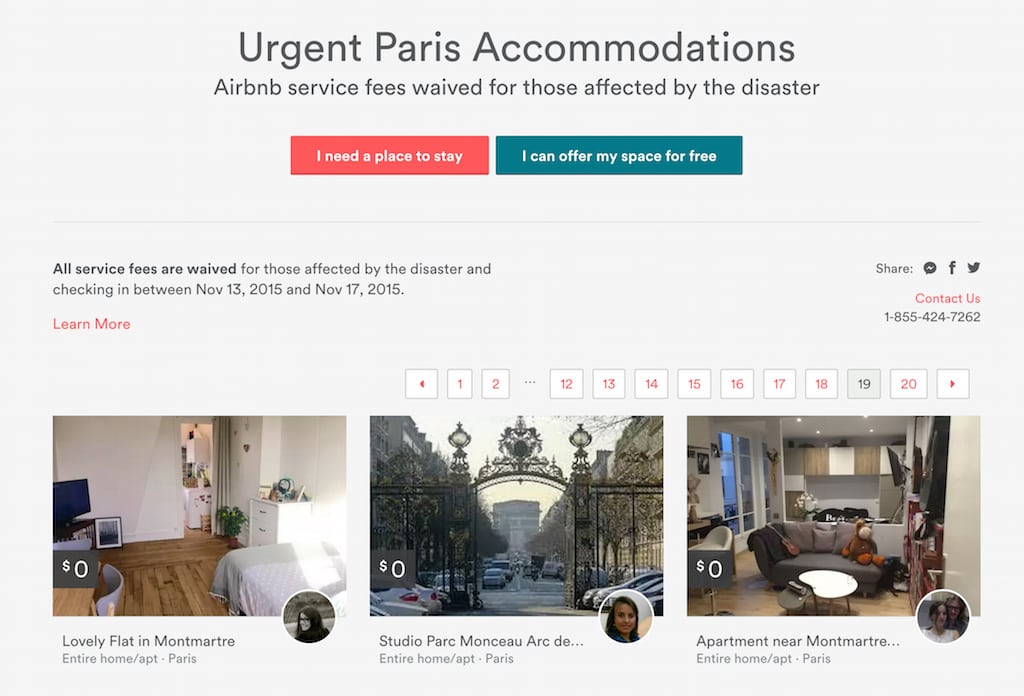
Airbnb is evolving as a social network as much as a room sharing platform with services like its new Community Center page, which hosts and guests used right after the Paris attacks.
Booking.com wants to change the narrative: Its growth, and especially its girth, compare favorably with Airbnb's on the apartment rental front. And Booking.com can show some digital one-up-manship too because all of its 21 million rooms are instantly confirmable.
Airbnb: potential distribution partner or industry threat? Some hotel companies and booking sites say neither, while others are keeping a watchful eye on both the positive and negative effects Airbnb may create.