This current version of the Expedia-HomeAway vacation rental beta functions more like an advertising relationship would than a tightly integrated booking process. These are very early days for the partnership, and what you see undoubtedly won't be the finished product.
Airbnb is in an interesting position: These super hosts provide a good experience to guests, but they present problems when it comes to local regulations and the brand's sharing-economy-is-good-for-little-guy narrative.
HomeAway's new communications' system was a year-and-a half in the making, and likely was very costly, but it was necessary not only to corral wayward owners, but to restore confidence in light of a phishing epidemic. HomeAway customers will be happy to know the company assembled a war room to deal with their backlash, but battle averted, for now.
Airbnb clearly was on weak ground against HomeAway in this trademark lawsuit, and apparently withdrew the campaign. The gloves are off, however, and the two rivals can expect to see their competition against one another get nastier in coming years.
By offering full-service support, local contacts, insider access and members' club privileges, Oasis Collections is introducing the sharing economy to a new market of international travelers.
Although these companies represent only a piece of the growing vacation rental market, their calculated combination suggests that other rental competitors could see the benefits in similar deals in the next few years.
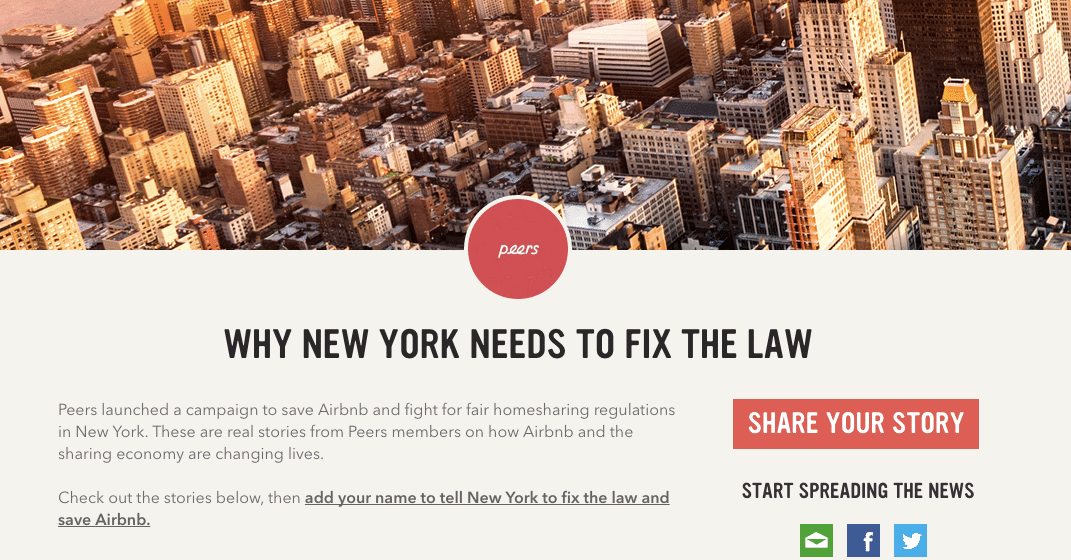
You can really like Airbnb and the effect it has had on how we travel while not supporting the rule breaking that happens in cities like New York. But it's very hard to appreciate a deep-pocketed astroturfing campaign that tries to pretend it is grassroots-driven.