San Francisco Has a Local-Focused Strategy to Get Visitors to Come Back
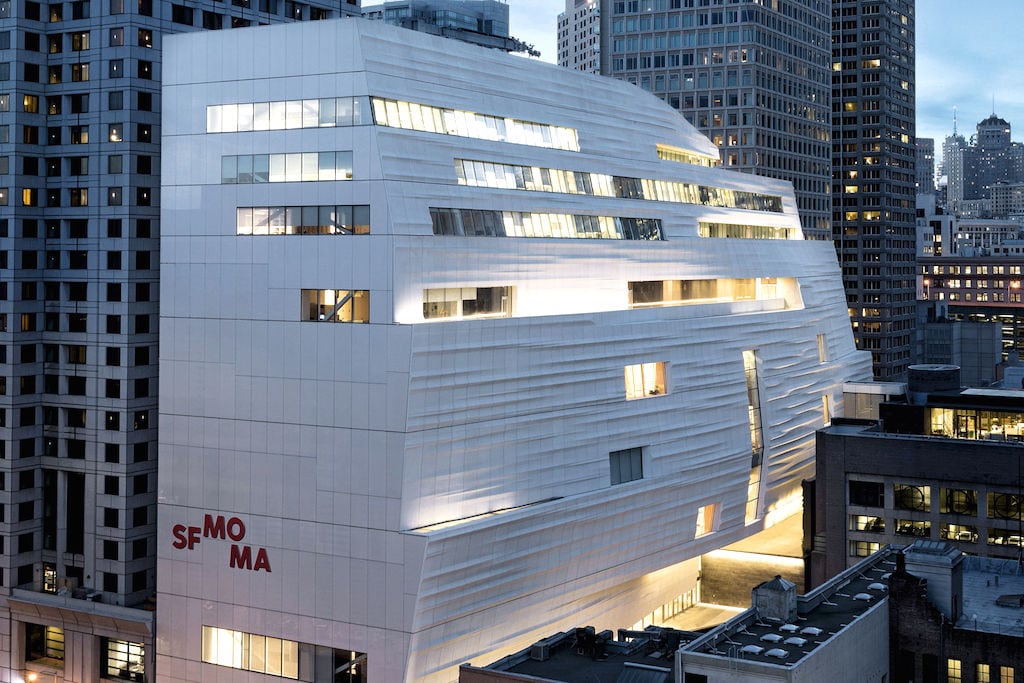
Photo Credit: San Francisco's Museum of Modern Art is part of the new "SFMeetCulture" program to help meeting planners book more local experiences. San Francisco Travel
Skift Take
By segmenting the personalities of their individual neighborhoods, cities like San Francisco have more options to align their visitor experiences with different visitor profiles. That customization helps cities expand their destination image, build destination loyalty, and boost repeat visitation.
Every tourism and convention bureau wants to improve repeat visitation rate to the destination, both on the leisure and meetings side, but there's never really been an effective strategy to do so.
Unlike the hotel, theme park, cruise, tour operator, and airline industries, destinations don't have a point of sale. There's no digital turnstile, so to speak, so there's no way to develop a loyalty program around a series of incentives and rewards to help drive repeat bookings.
Over the last few years, however, some U.S. bureaus have developed a neighborhood marketing strategy to increase the rate of return visitors by leveraging the surging rise of interest in local travel experiences.
Basically, organizations like San Francisco Travel are positioning their city as a network of neighborhoods with distinct individual identities, versus a homogenous whole, in an effort to connect with different traveler segments on a more personalized level. Other urban markets are doing so