
Why U.S. Regional Airlines May Not Be Able to Fly Embraer’s Newest Jet
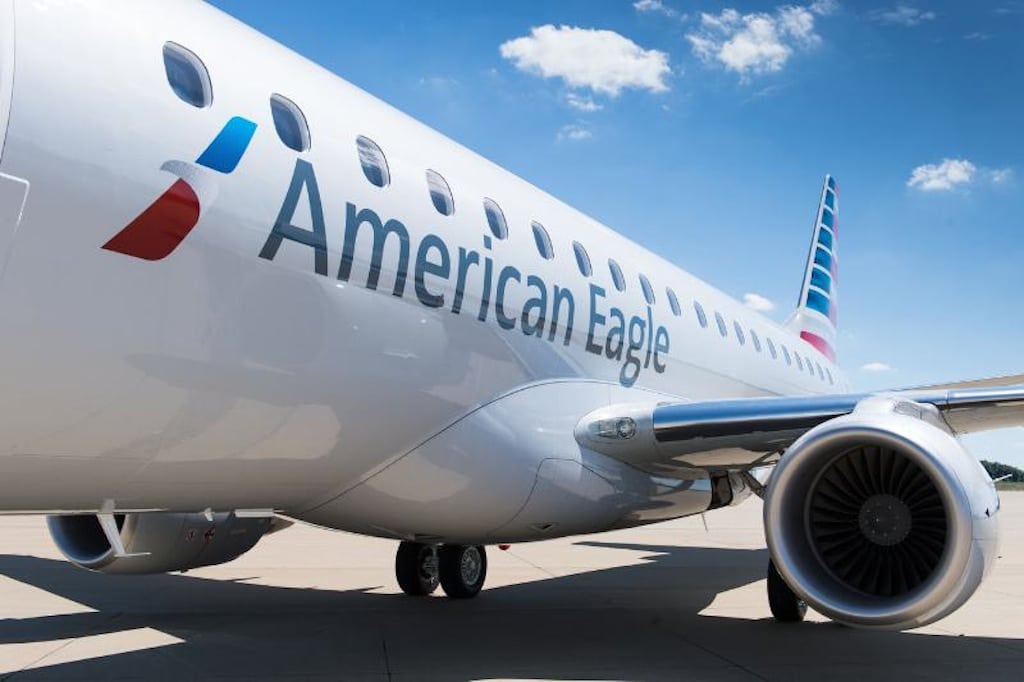
Photo Credit: U.S. airlines love the Embraer 175, the regional aircraft pictured here. But their agreements with pilots will not allow them to fly the next-generation version of the jet. American Airlines
Skift Take
In three years, Embraer will be able to deliver new regional jets to U.S. airlines that could significantly reduce their fuel bill. But U.S. airlines may not be able to take them because of restrictions in collective bargaining agreements with pilots. It's easy to blame pilots for their stance. But they have leverage. Why shouldn't they use it?
Within three years, a popular aircraft manufacturer will produce an updated version of a workhorse North American jet that's more fuel efficient, quieter and passenger friendly than today's model.
Yet, no U.S. airline is expected to fly it, at least at first.
The aircraft is the Embraer 175, and most regular travelers in the United States have probably flown on one. Usually configured with 76 seats, the jets are branded as American Eagle, United Express, Delta Connection and Alaska Airlines, but they’re operated by separate, regional airlines, who pay pilots and flight attendants less than major carriers. That's important because the airplanes are more expensive to operate, on a per-seat basis, than a typical Airbus or Boeing jet.
Unlike a competitor made by Bombardier, the CRJ900, these regional aircraft feel like a much bigger airplane, with roomy overhead bins and high ceilings. Major airlines often use them to shuttle passengers from midsize cities into their hubs, thoug