
Airlines Strike a Delicate Balance When Selling Discount Tickets
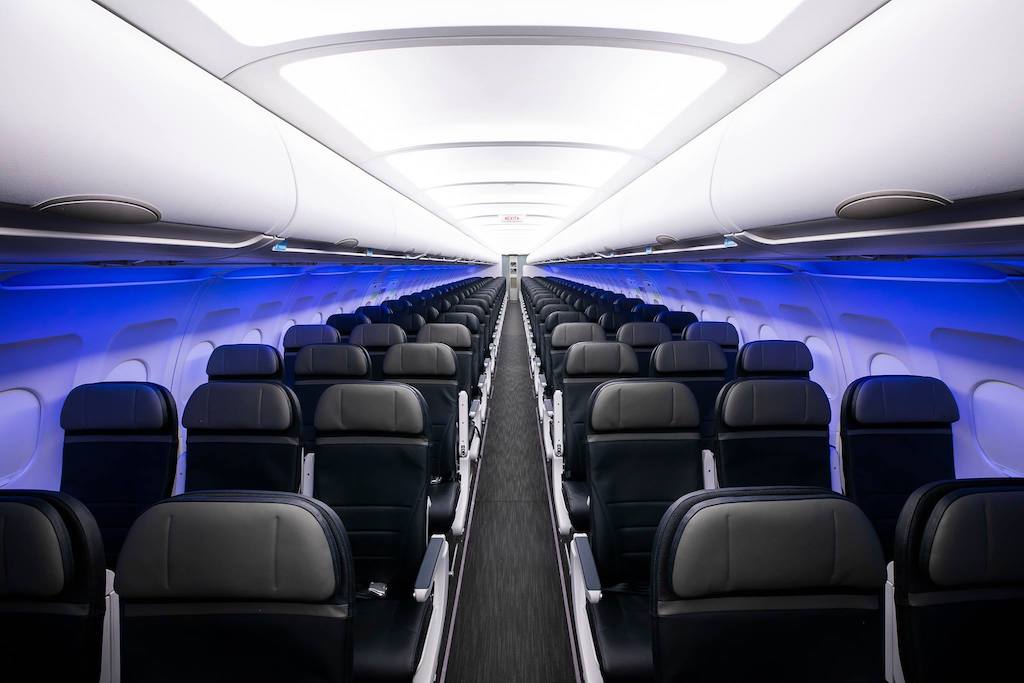
Photo Credit: Alaska Airlines has changed its revenue management strategy for former Virgin America routes. Pictured is a former Virgin America Airbus A321. Alaska Airlines
Skift Take
Are you seeing more discounts in advance from Alaska Airlines? Maybe you're seeing fewer cheap seats in advance from United? This isn't a fluke. Both airlines have made changes to revenue strategies in recent months.
Before it was absorbed by Alaska Airlines, Virgin America fashioned itself a business person’s airline, focusing on tech-forward travelers willing to pay hundreds or thousands of dollars to fly last-minute to and from San Francisco and Los Angeles.
Because techies, consultants, producers, directors, and actors in Silicon Valley and Hollywood could pay two to five times as much as leisure travelers, Virgin America set aside seats for them, hoping they would snatch them up a few days before departure and boost profits.
When Alaska’s revenue managers examined the data, they didn’t like what they saw. Sometimes, the high-value customers materialized. Other times, they didn’t, and the airline may have lost revenue it could have earned weeks earlier.
Alaska changed the strategy. On former Virgin America routes between major cities, it reduced the number of seats held for last-minute travelers, increasing availability for leisure passengers who book further in advance but dem