Debt, Egos and Bad Decisions: How Thomas Cook Failed to Adapt to a New Era of Travel
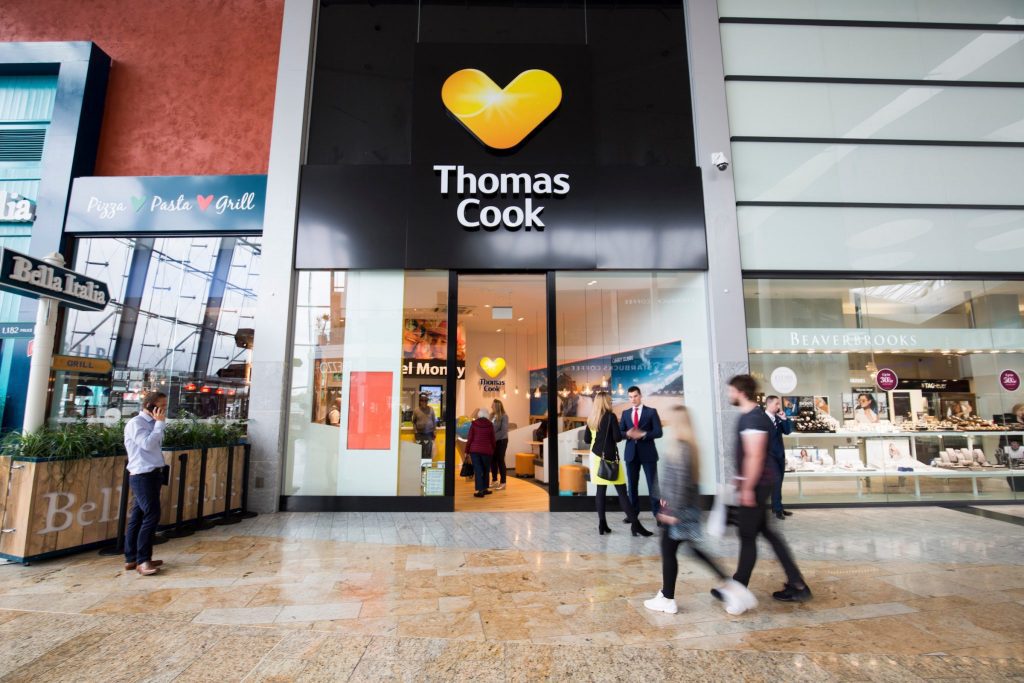
Photo Credit: The Official Opening of Thomas Cook Glasgow Silverburn. The company collapsed earlier this month. Thomas Cook Group
Skift Take
Thomas Cook's collapse was a disaster played out in slow motion. An ill-fated acquisition spree, a bloated retail footprint, and a commoditized product left it unable to deal with changes in consumer behavior and economic shocks.
On March 1, 2013, Thomas Cook announced the formation of a new digital advisory board to help management identify “the leading-edge trends for online businesses”.
It included a number of Thomas Cook’s senior leadership team, including the then-CEO Harriet Green, who now works at IBM, as well as a selection of outside digital gurus who could help an old-fashioned tour operator adapt to the new reality of travel retail.
It was the latest attempt to reboot a company struggling to adapt, and like so many previous efforts, it failed. That was partly because of Thomas Cook’s lack of cash and partly because of internal disputes. The initiative was quietly shelved a couple of years later, by which point Green had moved onto other things.
The episode was a telling anecdote that may have been an early signal of what lay ahead for Thomas Cook. The company made history last week when it collapsed into liquidation after being a fixture in travel for nearly two centuries. The news s