Lessons From a Tourism Pushback in Hawaii
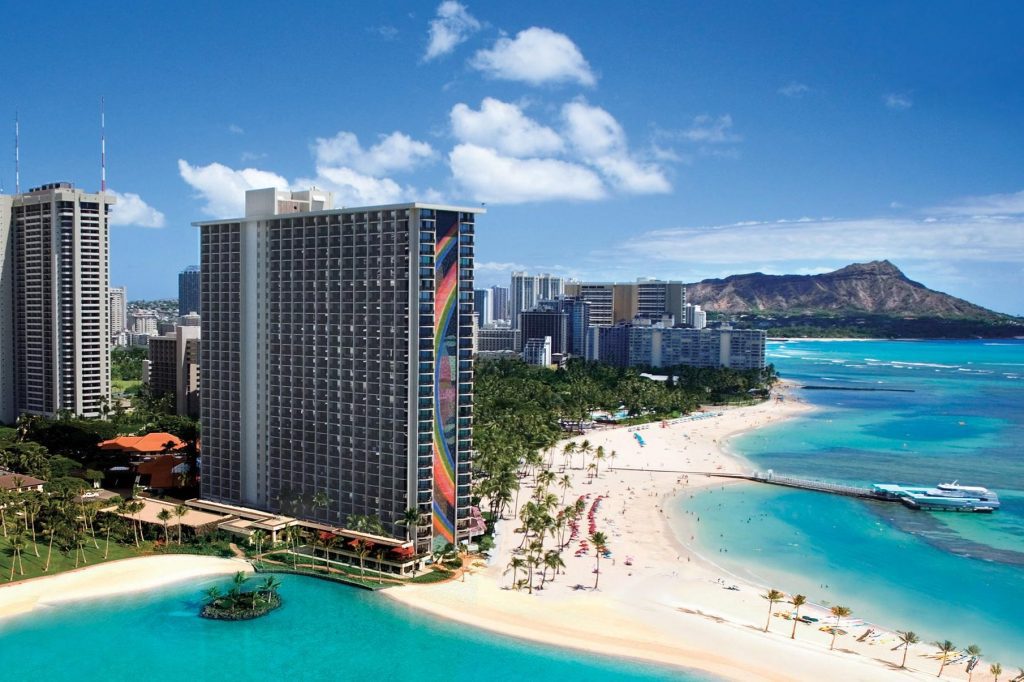
Photo Credit: Hawaii is facing a reckoning over the future of its tourism as some residents push back on welcoming visitors. Hawaii Visitors & Convention Bureau
Skift Take
In a major departure from other tourism-dependent destinations, more than 60 percent of Hawaiian residents indicated they don't want visitors back on their islands. Covid worries? Yes. But the bigger fear is a return to overtourism. Can reforms happen without crushing the economy?
When destinations around the world began closing their borders last spring, Hawaii was the first U.S. state to ask tourists to postpone their vacations. The Aloha state then became first in imposing a strictly monitored two-week quarantine on anyone choosing to venture there amid Covid. The measure didn’t halt all mainland tourists at first, but over time, in part thanks to its isolated borders, it was effective in chilling tourism and flattening the Covid curve.
Despite reopening to the mainland last October, under a pre-flight testing program that eliminated most quarantine requirements, the late restart means the tourism dependent state continues to lag in recovery, with its unemployment rate among the highest in the U.S. at more than 10 percent as of November.
But in stark contrast to other tourism-starved places eager to welcome back tourists, tourism business owners and residents in Hawaii did something you would never expect: they pushed back on welcoming visitors to the