What’s Missing From Big Cruise’s New Climate Action Goals?
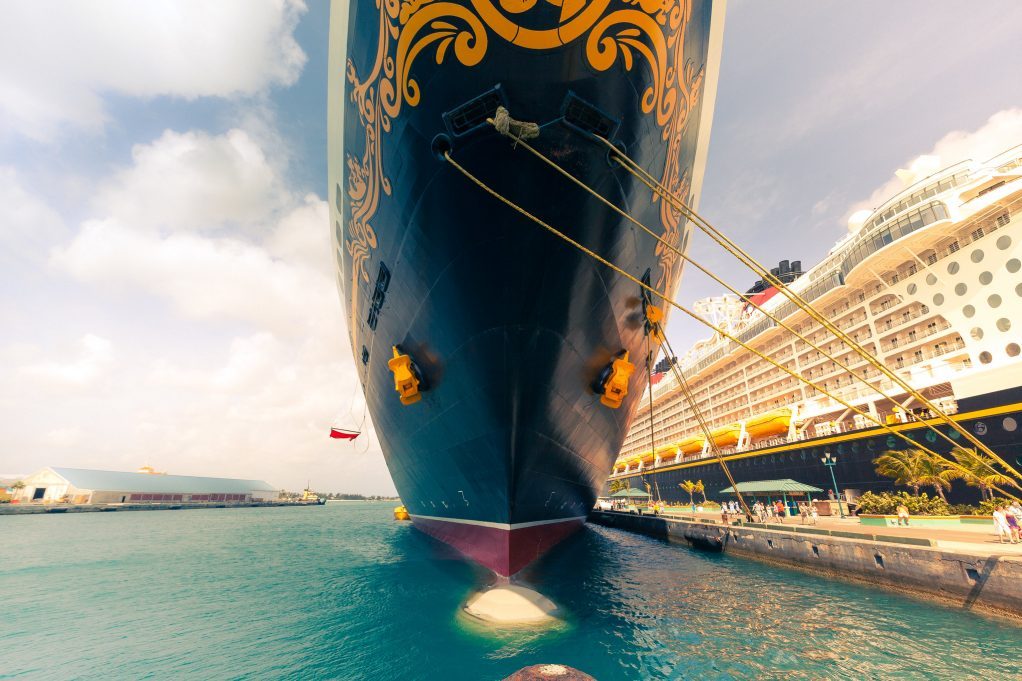
Photo Credit: A Disney ship docked in The Bahamas, pre-pandemic. Flickr Commons / David Nietzche
Skift Take
Alternative fuel sources are urgently needed, yes. But the cruise lines’ woes go well beyond emissions and remain unaddressed, even if CLIA now recognizes that really big ships aren't suitable for certain destinations. With climate change finally front and center, will more governments restrict megaships and regulate various impacts on host communities?
On the heels of global tourism's leading organizations announcing a collective climate commitment at COP26, the cruise sector said that it also continues to make progress in environmental efforts.
The Cruise Line International Association (CLIA) released its annual environmental report this week, and said that its members — which include industry giants Carnival Corporation, Royal Caribbean Cruises and Norwegian Cruise Line — are committed to pursuing net carbon neutral cruising by 2050 and reducing emissions by 40 percent by 2030, and supporting the development of clean fuel alternatives.
The report comes at a time when cruise lines are slowly resuming sailing and preparing for a bigger comeback ahead, after a historic global suspension in the industry's activities that led to over $25 billion in losses in 2020 and left the industry saddled with over $60 billions in debt in the first quarter of 2021, as well as a huge consumer confidence challenge.